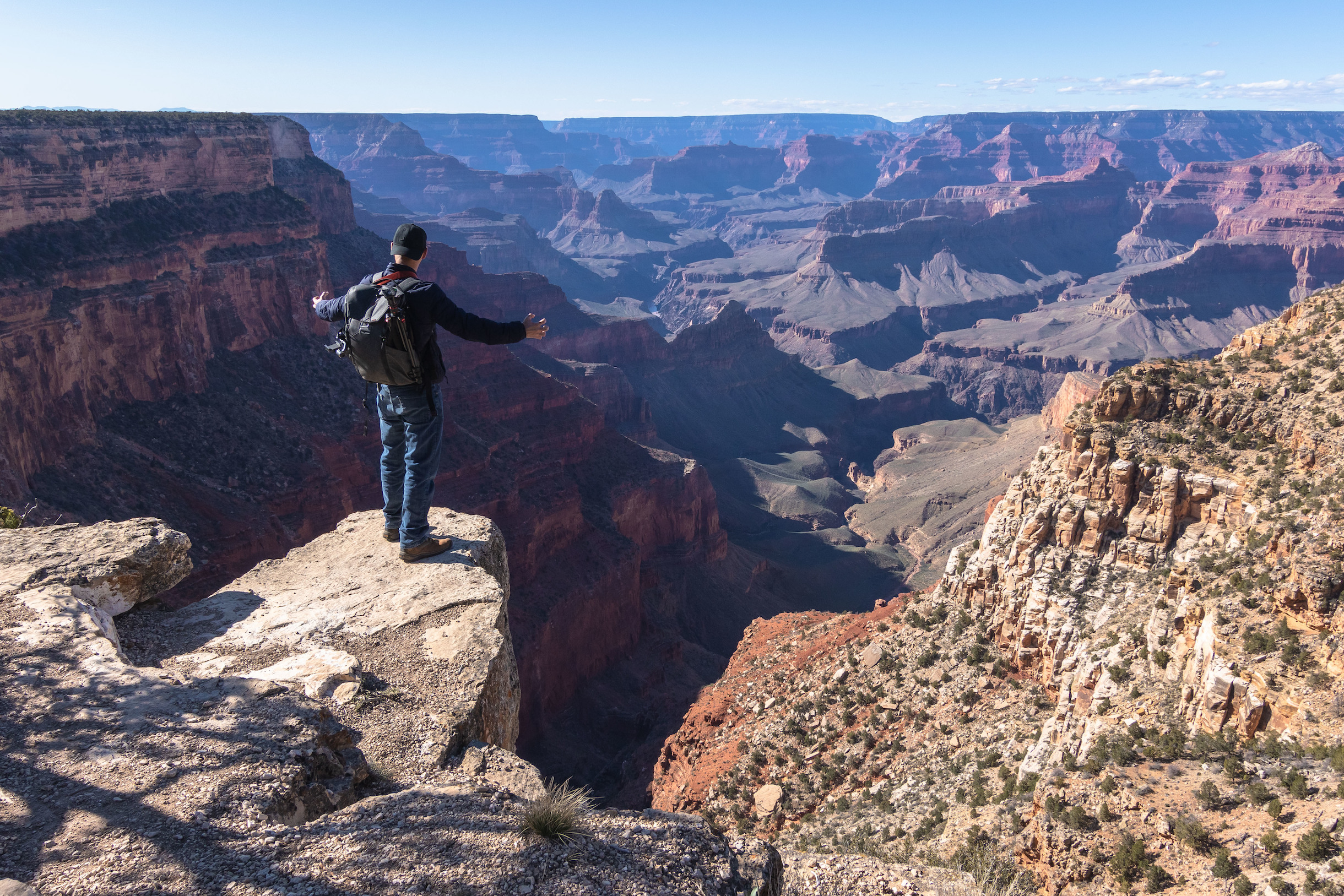
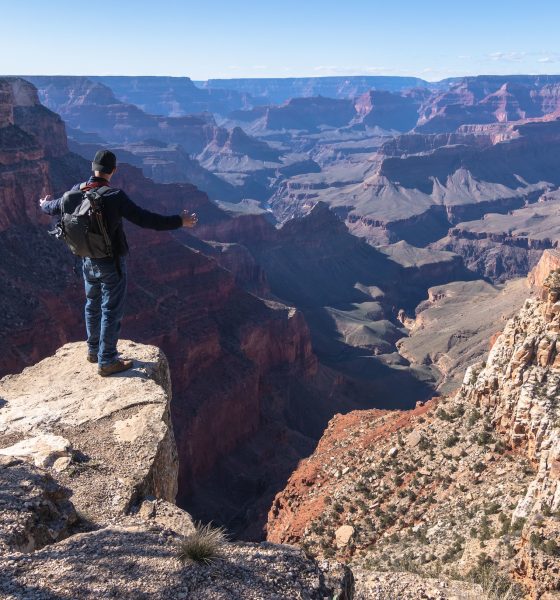

I set an ambitious goal to hike 17 miles in 24 hours while putting myself through a miniature survival situation.
Last week, I introduced my new weekly blog series, Behind The Lens, where I share adventures from what I do when I’m not photographing rocket launches. Today, we go to the Grand Canyon on a hike that I’d never attempted before but it was time I’d done something like it in my life.
I arrived here in the ’80s and like most people, was raised to operate in society. I hadn’t had a pleasant upbringing but I adapted in situations, worked hard, always had accomplished goals and was determined to survive. If we’re lucky, we get 100 years on this planet, which is a tiny pixel in the big picture.
The Grand Canyon is one of the most studied geologic landscapes in the world, 40 distinct layers of time are represented in the walls which span 2-billion years from top to bottom. The name certainly defines it in every sense of the meaning. One can evolve in reverse, or devolve, on the way down and evolve again on the way up. No better place, I think, for a soul searching adventure.
Photographing rockets had put me in touch with physics and the human potential to explore the cosmos. Yet, something was still missing – a human element connected with nature. I got a glimpse of our future and felt part of it but I hadn’t felt our past.
Hiking to the bottom of the canyon and out again is what I felt I needed to do. The more I thought about it and planned for it, the more sense it made to challenge myself and experience Earth as a homo sapien.
I set an ambitious goal to hike 17 miles in 24 hours while putting myself through a miniature survival situation.
Inside a new camera bag designed for hiking and photography, I packed all the supplies I’d need for such a journey. Food, water filter and 3-liter pouch, a burner and first aid kit. I also brought a lightweight sleeping bag and emergency blanket made of the same material as the walls of the Lunar Lander. Just in case, I packed my license too so that I could be identified.
The trailhead began at 7,260 feet (2,212 meters) in altitude. Signs warn of altitude sickness if you try to go to the bottom and back up again on the same day. “There’s no water on this trail.”, said a warning sign. Safety was paramount, so I planned to abort the hike before I’d be unable to return without sufficient water if I knew I wouldn’t make it all the way to the next source. Three liters in a pouch on my back would have to get me 7 miles (11.3 kilometers).
On the way down, I passed through multiple layers of ocean and desert. I saw seashells and barnacles in the walls, then layers of sandstone and layers of red rock in which l found a worm fossil. Near the bottom was an unusual spot with large boulders and jagged red rock with beautiful flowers. While squeezing a handful of gravel, I browsed around in the silence and discovered a unique pattern, a plate with ripples which was a fossil indicating that I had been standing on the floor of an ancient ocean. By this time, I’d been hiking for 5 hours and I was out of water.
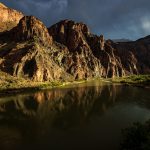
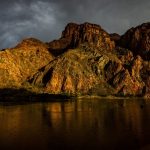
The sun was setting while I was in search of a nearby water source. The one I had planned to refill with was down for repairs. Deep inside Earth now, the most beautiful shadows and highlights were being cast on the pink granite walls. I decided this is where I’d cook dinner. While eating re-hydrated chicken and pasta as the main course with a cup of strong coffee, I sat back and soaked in the experience. A park ranger approached me, saw my gear and asked if I was camping. He said someone who had reserved a site didn’t show up and offered it to me. One of these coveted campsites has a 6-month waiting list. Although I didn’t want to miss an opportunity like this, I feared to sleep without a tent.
The campsite was located next to a raging stream which kept the area cool. The ground was clean and level but spiders and other insects were crawling on it. A pole stood in the corner to hang my bag because rodents would crawl into it on the ground – I’d be on the ground though, I thought to myself…
-
- Granite walls inside the Grand Canyon illuminated with evening Sun. I decided this was the location I would cook dinner and enjoy a strong coffee. (Photo: TomCross)
-
- Enjoying a cup of coffee while soaking in the experience after dinner. (Photo: TomCross
-
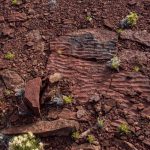
- Fossilized ripples of sea floor. (Photo: TomCross)
-
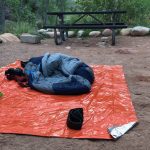
- My sleeping arrangement in the campsite was a sleeping bag on top of an emergency blanket. (Photo: TomCross)
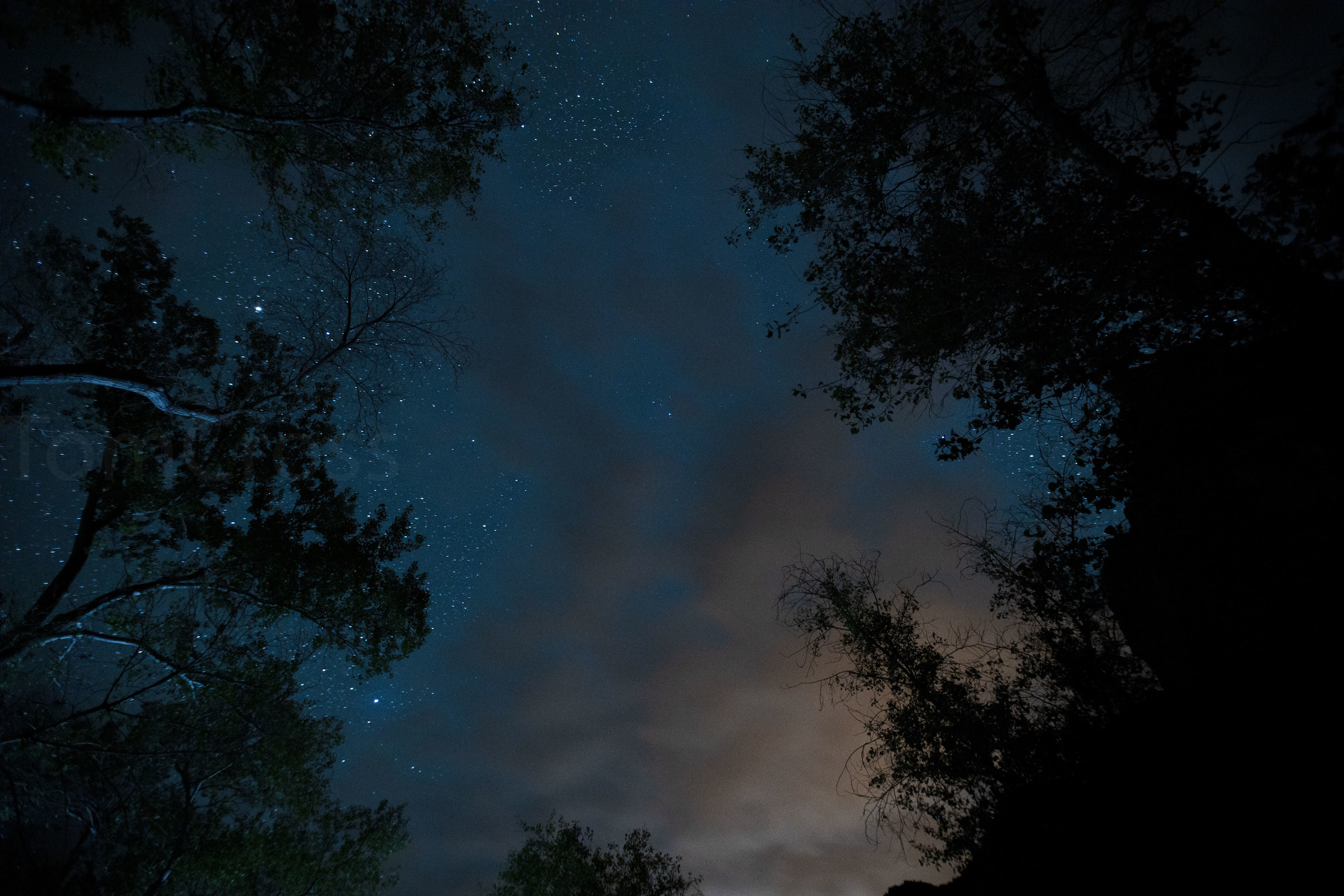
I figured I would use the emergency blanket as a ‘footprint’ and sleep in my bag on top of that. Laying down now, checking for insects every 10 minutes or so, I found a few upsidedown on the slick foil of the blanket and brushed them off. I laid awake looking up at the sky, still concerned about spiders crawling on me or a rodent getting into my bag. My mind wandered and got lost watching the clouds pass overhead realizing we are all on a spaceship traveling through the Milky Way. I took a few photographs as the white noise of the raging water drowned out my fears. I fell asleep as peacefully as ever.
I woke up to the smell of campfires and bacon which gave me an appetite, so I got up and started breakfast. Mules across the river were delivering supplies to camp while another team of mules behind them was bringing campers who’d decided not to hike down. For breakfast, I had a fulfilling bowl of oatmeal made for strenuous hikes with fruit, extra salt, and sugar, plus 2 cups of strong coffee. I drank plenty of water and refilled my 3-liter pouch for the hike out. The route was considered the easy trail, I did not foresee the difficulty I’d experience.

Don’t miss Tom Cross | Behind the Lens
I appreciate all of the love and support you guys have shown me since I began this series! Thank you! Please consider signing up for our newsletter. Every sign up helps us better connect with you and ultimately understand what type of exclusive premium content you want to see.
Even though I had been drinking water and eating proper snacks I could feel the effects of dehydration. The trail I was on had the most incredible views, streams, waterfalls, and a lush oasis, then, suddenly it would switch to desert-like conditions. Trail runners were wearing small water bottles on their waist belts and sweating profusely but seemed fine. I asked one of the runners if the next water source was open – he didn’t know. How could he not know if the water source was on or off? I asked another person if the water was on, they didn’t know either. “What’s going on?” I wondered. Mindfulness and communicating the right information are vital. Because hikers didn’t have information about water availability, I began conserving when I was thirsty – Not a good idea.
Many treacherous switchbacks, or zigzags, to get up a very steep cliff, 3 more people passed me while briskly walking and I realized I had been slowing down. Hours later I had finally made it to the water source in the center of the trail, it resembled a fountain of youth and many people were using it. How could hikers miss this on their way down? I was perplexed. I drank plenty of water to make up what I’d been conserving, refilled, then began the final trek with fresh socks.
The temperature was decreasing on the way up but I was still sweating too much. The weight of my bag had become uncomfortable and burdensome. Many of the electronics I brought were dead weight – I’ll never do that again. Rest breaks came more often. My calves were painful and normal steps had become quarter steps, my arms would cramp in place if I bent them to adjust my backpack straps. Even my mind was struggling and human instinct was kicking in; I was in bad shape and I knew it. Those who know me, know that I’m capable of pushing myself pretty hard and I was thrilled that I had experienced Earth’s strength, my own man vs. nature moment. Around this time, my Apple Watch knocked on my wrist, a fitness award flashed on the screen ‘Move Goal 300%’. The display read that I had been exercising non-stop for 270 minutes and I had climbed 192 flights of stairs.
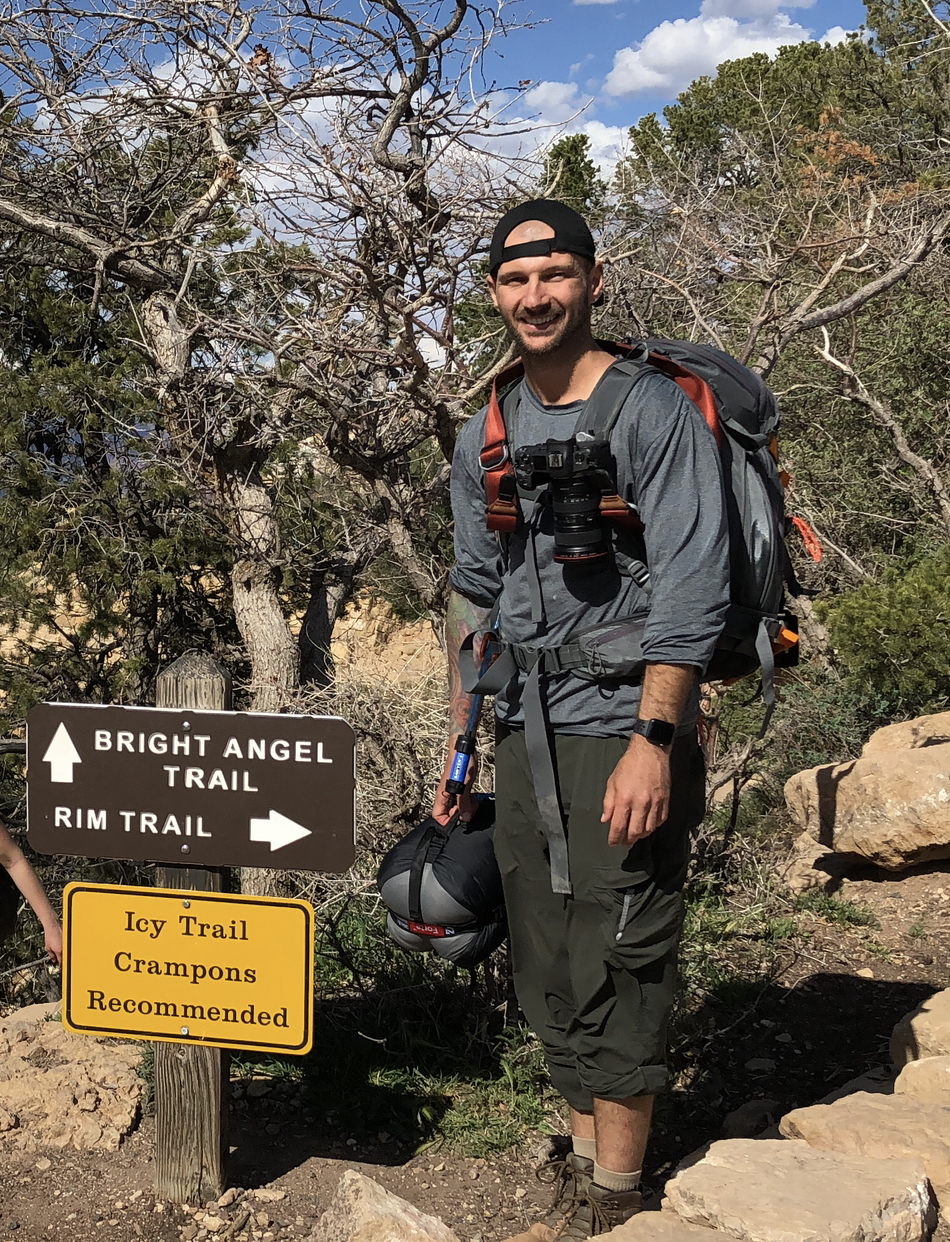
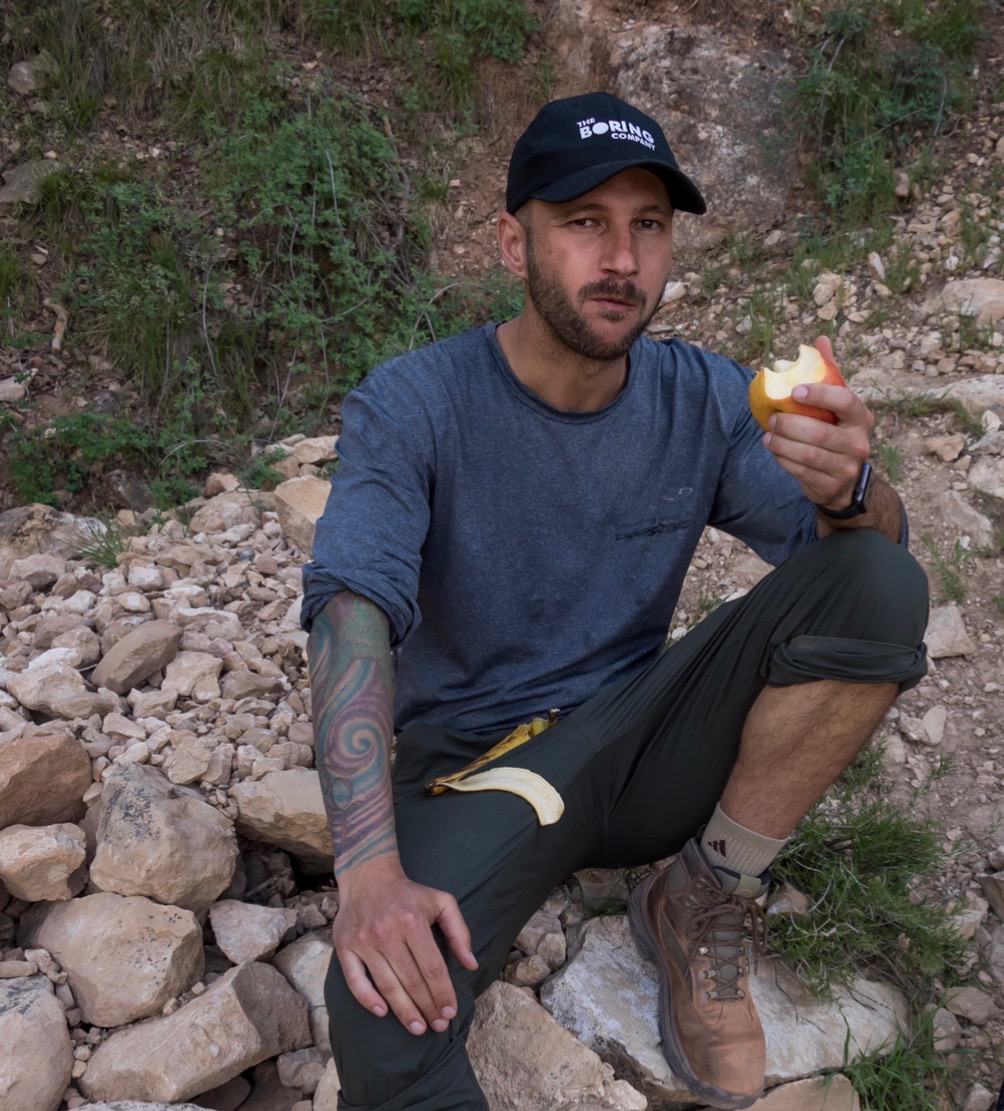
As I neared the top now with 10 minutes of hiking remaining, I texted my friend to meet me down the trail and to bring fruit. I ate bananas and apples, split the load on my back between the two of us and proceeded to hike out together. I touched the trailhead sign to confirm the completion. I had come out of the other side different than I had entered. I still sleep without a tent most times, in fact, I sleep on top of my vehicle quite a bit. I prefer to be exposed and to feel the natural breeze and hear the crickets instead of being enclosed inside a hotel room.
Shortly after this adventure, I’d feel an earthquake for the first time in my life. It’s a misconception that we are all on solid ground. Next week, I camp in the epicenter of the Searles Valley, CA earthquake aftershocks.


Elon Musk
How to use Grok Bot to block spam calls and texts
Musk told users to ask Grok Bot to scrub their phone numbers from spam lists.

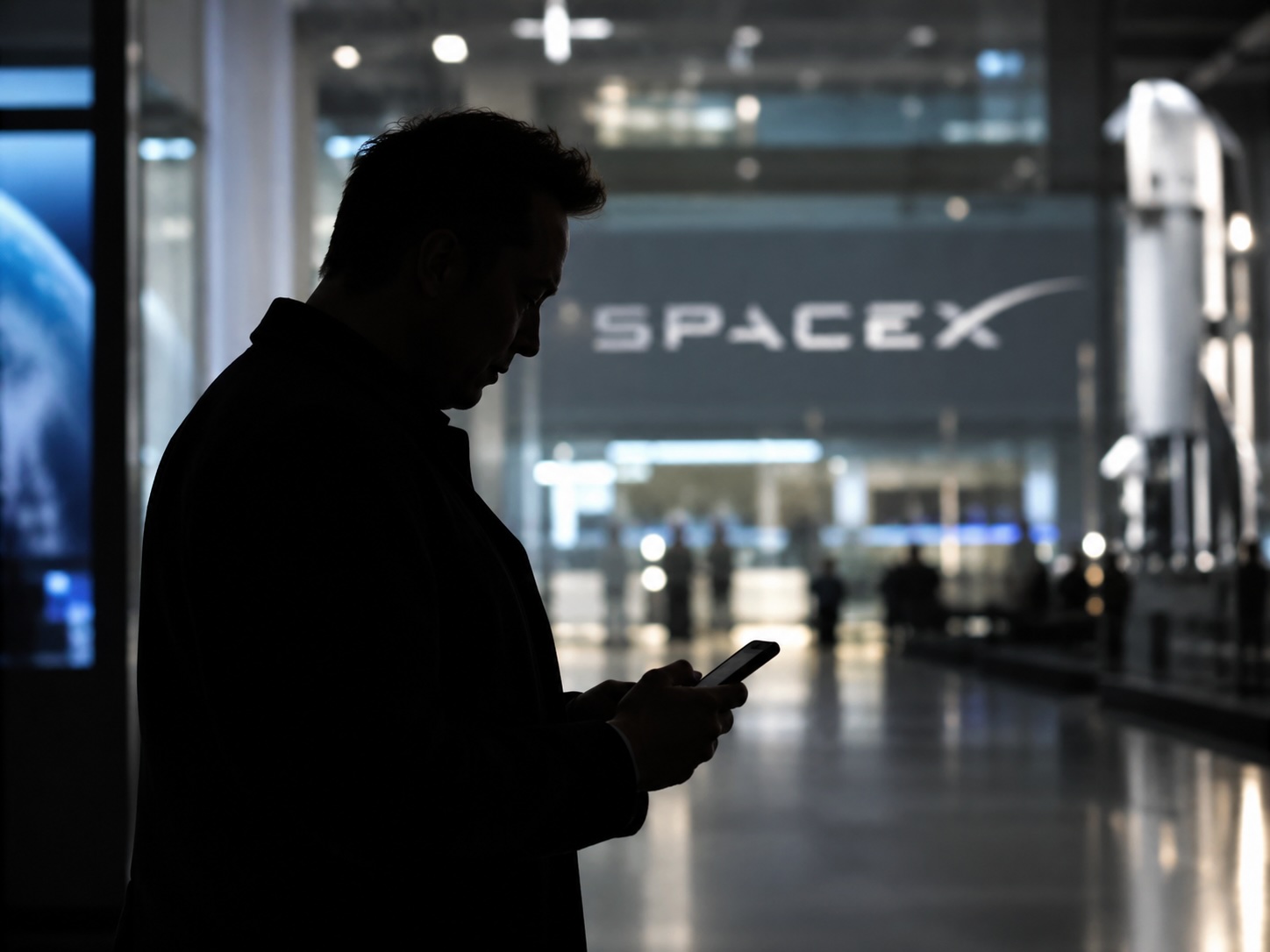
Elon Musk has a new use case for Grok Bot, and it is the spam call. On Thursday he replied to an X user named Arash with a short instruction: “Ask your @Grok @Bot to remove your phone number from spam call & text lists!” Arash had said he got tired of the calls, had an AI bot find his number on listing sites and file removal requests, and packaged the process as a free skill for others.
The skill is called Spam-Call Scrubber, which is described to find a phone number on people search sites and data brokers, submits the opt outs, completes the confirmation emails those sites send back, and rechecks on a schedule the user picks. Using it requires the Grok Bot app. The pitch is time saved, since most broker opt outs sit behind separate forms on separate sites.
Ask your @Grok @Bot to remove your phone number from spam call & text lists!
— Elon Musk (@elonmusk) October 15, 2026
Musk said Grok Bot now gives each bot its own email address, and that it can detect scam emails. On Thursday he also said SpaceX would make users whole if the bot botches a purchase or leaks a card, then told users to shop away from Amazon after the retailer blocked the agent, as Teslarati reported. The terms of service we reviewed at the time put responsibility for what an agent does on the user.
For Tesla owners, Grok Bot is not just a phone app. Tesla brought Grok Bot into its vehicles on September 22, and we argued earlier this week that the Cybercab’s real advantage may be the errands it runs during a ride. Every Cybercab and the rest of the Model Y Robotaxi fleet has it enabled. The more routine tasks like this one become, the more a rider has reason to hand over something personal in the back seat.
The new Spam-Call Scrubber skill can be downloaded for free and works on sites that honor removal requests, while noting that listings can reappear, and illegal robocallers do not check any registry. Whether Spam-Call Scrubber cuts anyone’s call volume is something the first wave of users will find out, and Musk’s endorsement guarantees that wave is coming.
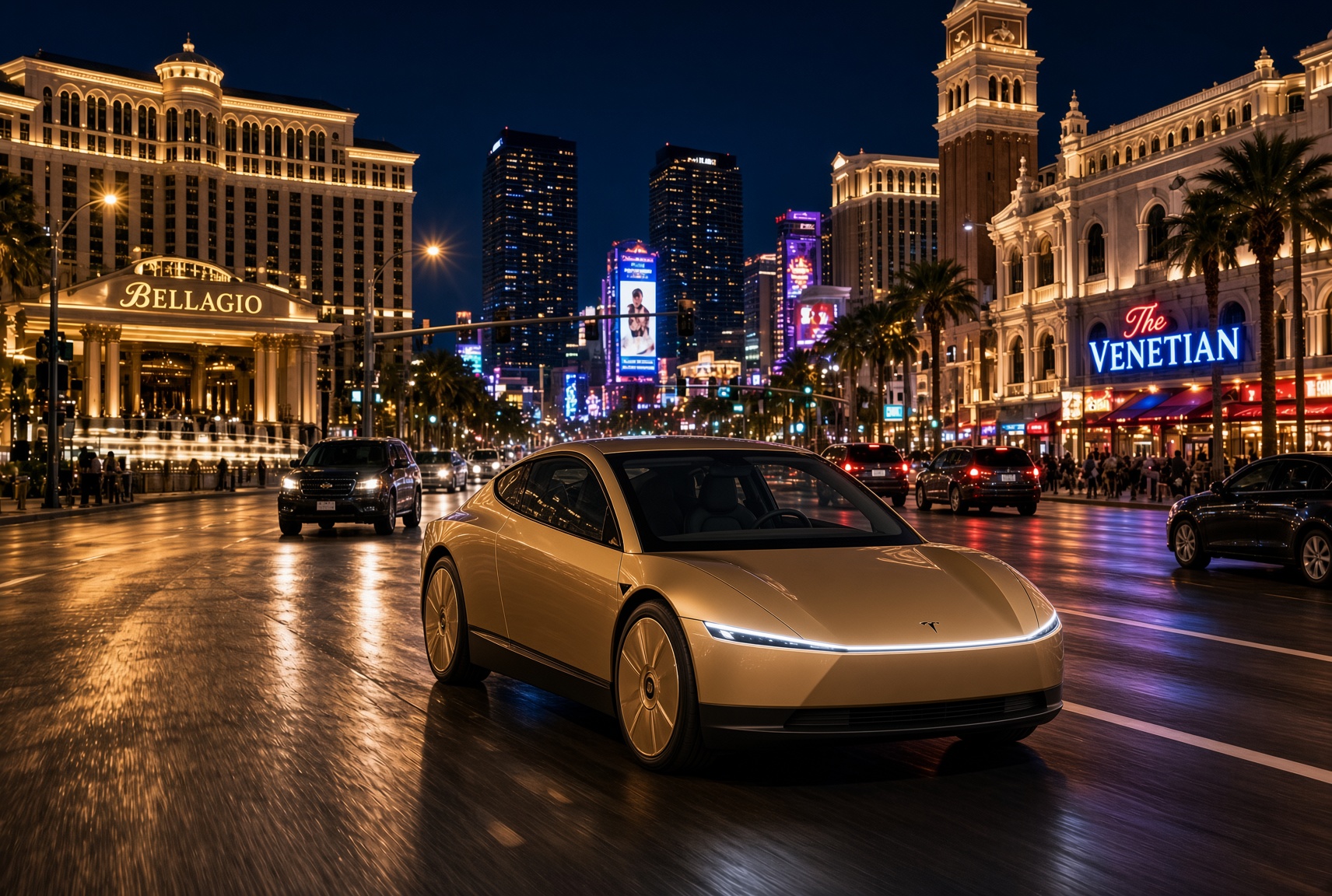
For a century, the car has asked the same thing of its owner, which is basically to pay attention. Even the best ride-hailing app like Uber or Lyft only moved the problem into someone else’s hands. You stopped driving, but you still sat in a stranger’s car, while half listening, and wondering whether to take a phone call in the car without being rude. The Cybercab has no wheel, no pedals and no driver. With Grok @bot now live inside it, it becomes something else entirely, and I think that matters more than the fleet count that everyone is tracking.
Grok @bot is an agent, not a voice assistant. A rider signs in once, and from then on can say what they need and watch it happen. Order dinner from a favorite restaurant. Fill the grocery cart. Move money, answer email, adjust a calendar, push a work project forward. Tesla engineer Yun-Ta Tsai confirmed it is enabled across every Cybercab and the rest of the Model Y fleet, and Tesla’s own pitch is that Full Self-Driving handles the commute while Grok handles the errands.
Think about what that does to a thirty minute ride. Uber sells you a trip, while Waymo sells you the same trip in a more private setting. Tesla is selling the thirty minutes themselves, returned to you with an assistant attached. Errands that used to eat a Saturday get done between pickup and drop off. The ride stops being dead time between two places and becomes a place of its own.
Tesla integrates Grok Bot into its vehicles for the ultimate personal assistant
Best of all, your Bots follow you into any Cybercab, and presumably your own Tesla, then logs you out automatically when you step out. Anyone can bolt a chatbot onto a screen, but much harder to own the vehicle, the autonomy stack and the assistant at once. It also quietly ties SpaceX’s Super Intelligence business to Tesla’s fleet, after Tesla converted its xAI stake into SpaceX equity. The relationship between those two companies is getting harder to describe as separate.
This is also where the hard questions start, because an agent that can spend your money in a vehicle other people also ride in needs some answers. How does it handle a voice it shouldn’t trust? What gets recorded, who can see it, and for how long? What happens when a rider leaves halfway through a task?
If Tesla gets those answers right, the scoreboard changes. We have been counting Cybercabs and wait times. The more telling number may be what riders accomplish per trip. That is data almost no one else will ever have, and it is the real reason to watch Grok @bot.
What do you think? Leave me a comment.
Lifestyle
Tesla’s mirrorless Cybercab will give riders a visibility upgrade
Tesla engineer confirms Cybercab update letting riders pull up rear and repeater cameras on demand.
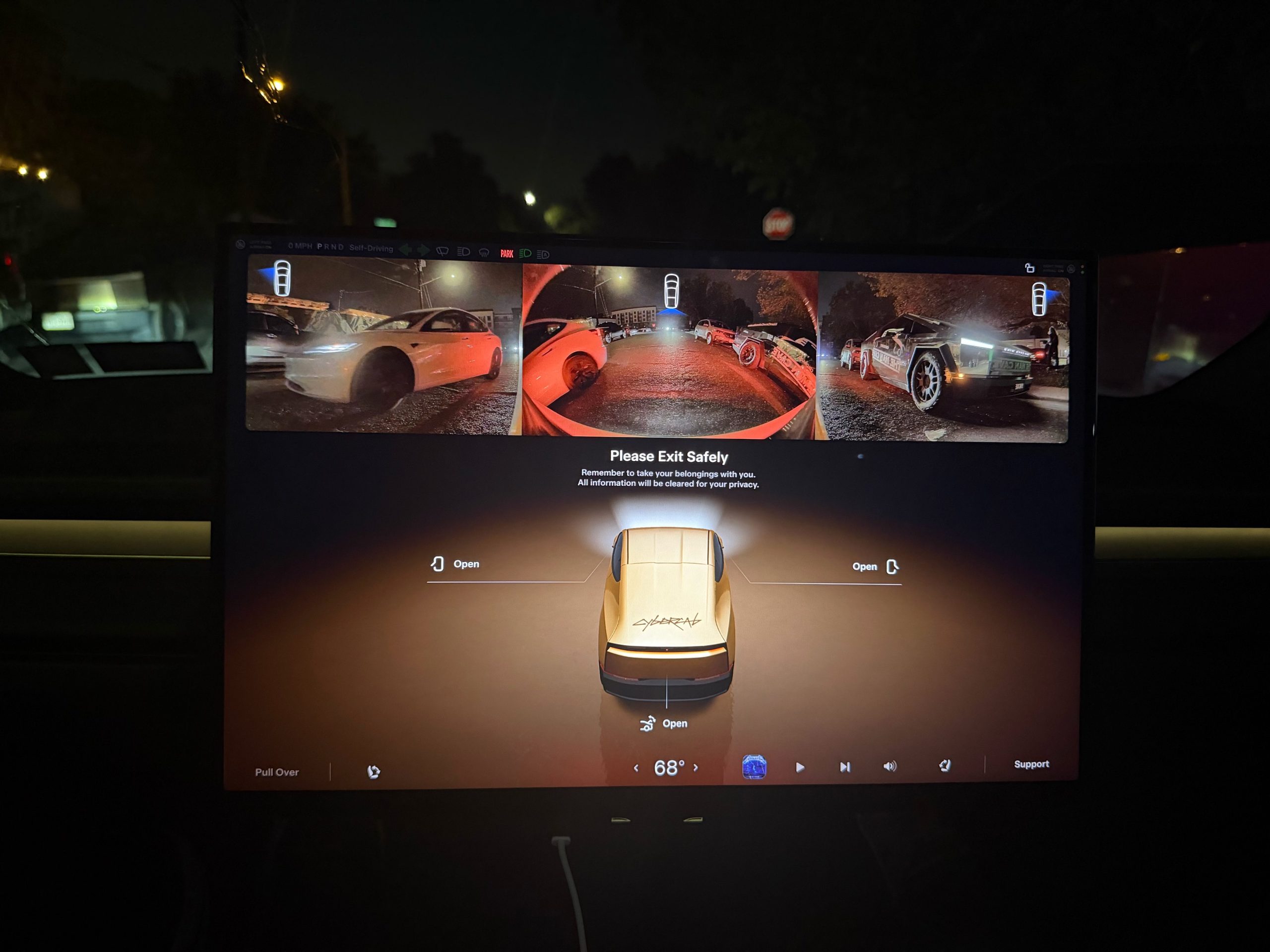
Tesla is working on a Cybercab update that would let passengers pull up the vehicle’s rear and side cameras on demand, and the request came straight from a rider.
The exchange played out on X late Friday. Cybercab rider Dan Burkland shared photos of the two-seater’s cabin screen after an evening ride, praised the UI team’s work, and left one request: let riders open the rear and repeater cameras whenever they want, “especially for peace of mind.” Tesla UI software engineer Evan (@CarCoder) answered with two words: “In development.”
The Tesla UI team absolutely crushed it with the infotainment software. Nicely done @CarCoder!
One feature request: Allow folks to pull up the rear & repeater cameras on demand. This would be great especially for peace of mind. https://t.co/mNAOSLx6pE
— Dan Burkland (@DBurkland) October 10, 2026
The idea fits a pattern Teslarati has tracked since public rides began. Days after paid Cybercab service opened in Austin, Tesla sent riders a survey that asked them to rate the touchscreen, the app and the cabin, and to pick the features they wanted most. We reported on that survey in September, and a camera view is the kind of small software change Tesla can push quickly if riders keep asking.
It also speaks to something unique about the vehicle. With no steering wheel, no pedals and no driver, passengers have no mirror to check and no way to see behind them. The hardware is clearly built for camera awareness, from the repeater cameras to the rear camera. Letting a passenger look through those same cameras would give a nervous first time rider a way to confirm what is around the car.
The timing matters because the fleet is growing fast. Tesla’s Robotaxi account said on Saturday that more than 300 Cybercabs are now serving Austin, an eightfold increase in 30 days, and Tesla AI chief Ashok Elluswamy named Dallas as the next city. More cars and more cities mean more people riding in a driverless vehicle for the first time, which is exactly when small trust features carry weight.
For now, the feature is confirmed only as in development. If Tesla follows its usual pattern with Cybercab software, riders could see it appear in a point release without any announcement, and Teslarati will watch for it.

Tesla Q3 2026 Earnings results: in-line revenues, slight beat on EPS

Tesla reports Q3 Earnings today: here’s what to expect


