
Elon Musk
Tesla fends off new attack that will hurt consumers more than anyone else
Consumers stand to be hurt the most by a new bill that aims to take away Tesla’s Direct-to-Consumer licensing

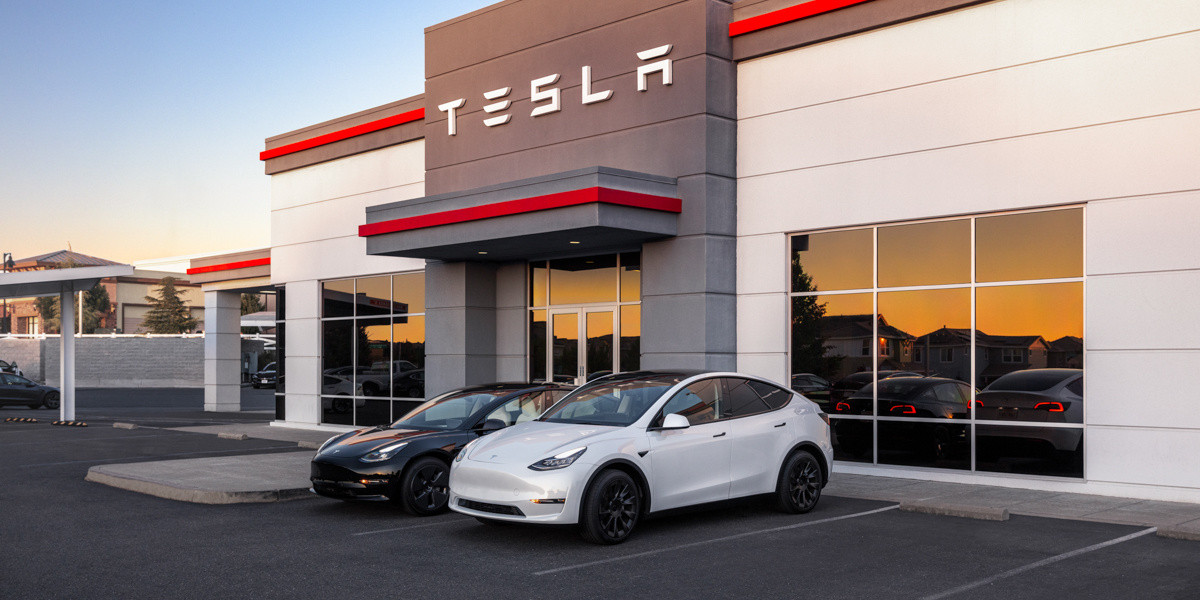
Tesla is likely going to be forced to fend off a new attack that is much different than the petty vandalism, arson, and domestic terrorism it has faced from those who oppose the company and its CEO Elon Musk. It would hurt consumers more than anyone else.
Over the past several months, we have reported numerous instances of vandalism against Tesla. No victim is too big or too small to be a potential target, as everything from keying vehicles to having Molotov cocktails thrown at showrooms is sufficient in the eyes of perpetrators.
However, the latest attack appears to be politically motivated and could hurt Tesla, its consumers, and even other automakers, and it seems to be some form of retaliation against Musk due to his affiliation with President Trump.
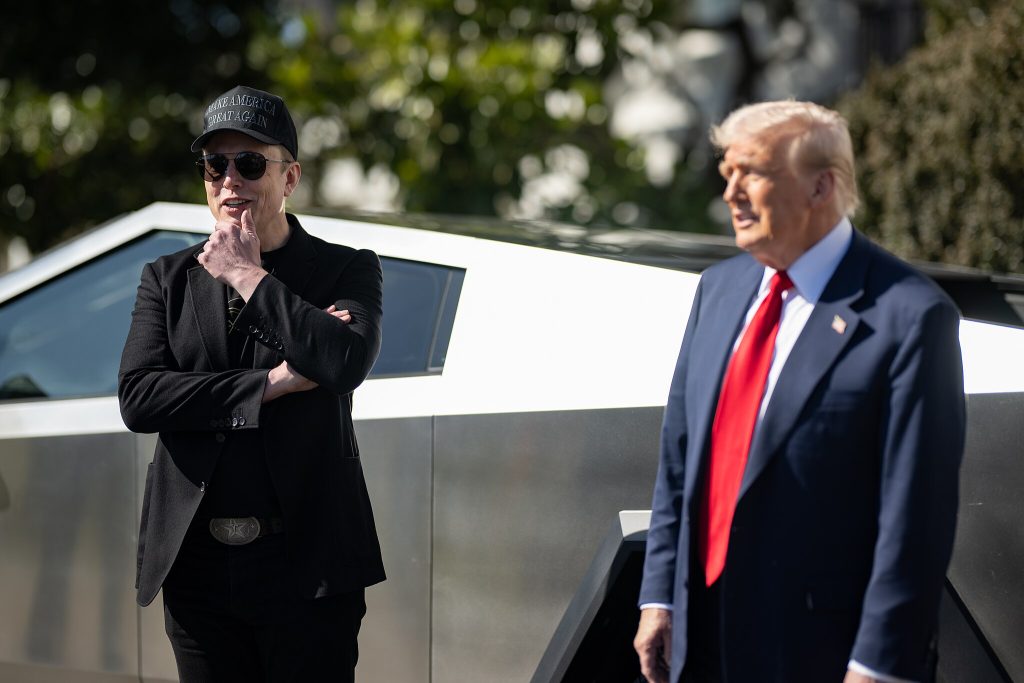
President Donald J. Trump purchases a Tesla on the South Lawn, Tuesday, March 11, 2025. (Official White House Photo by Molly Riley)
Lawmakers in New York state are now attempting to shut down Tesla showrooms in a move that would force the company to sell through dealer franchises, complicating the sales process and making the direct-to-consumer platform the company has used for years obsolete.
The New York Times reported that New York State Sen. Patricia Fahy is one of several lawmakers that is looking to hit Tesla where it hurts the most: its accessible and stress-free showrooms.
The problem is that this will hurt consumers more than Tesla.
Sen. Fahy said in March that the ease-of-sales platform Tesla uses has to be taken “from Elon Musk,” because “he’s part of an effort to go backwards.”
The licenses Tesla uses in the state allow it to sell cars directly to consumers instead of going through the traditional dealership model. These licenses, in Sen. Fahy’s perfect world, would be revoked from Tesla and given to other EV manufacturers. At one time, she was a proponent of Tesla and supported the company operating its D2C sales, stating it would cut emissions.
Now, Sen. Fahy believes Musk’s association with the Trump Administration is counterintuitive, as she says it is “killing all the grant funding for electric vehicle infrastructure, killing wind energy, killing anything that might address climate change.”
She continued by stating:
“The bottom line is, Tesla has lost their right to promote these when they’re part of an administration that wants to go backwards. Elon Musk was handed a privilege here.”
The bill is with the Senate and Assembly Finance committees.




Elon Musk
Tesla analysts believe Musk and Trump feud will pass
Tesla CEO Elon Musk and U.S. President Donald Trump’s feud shall pass, several bulls say.
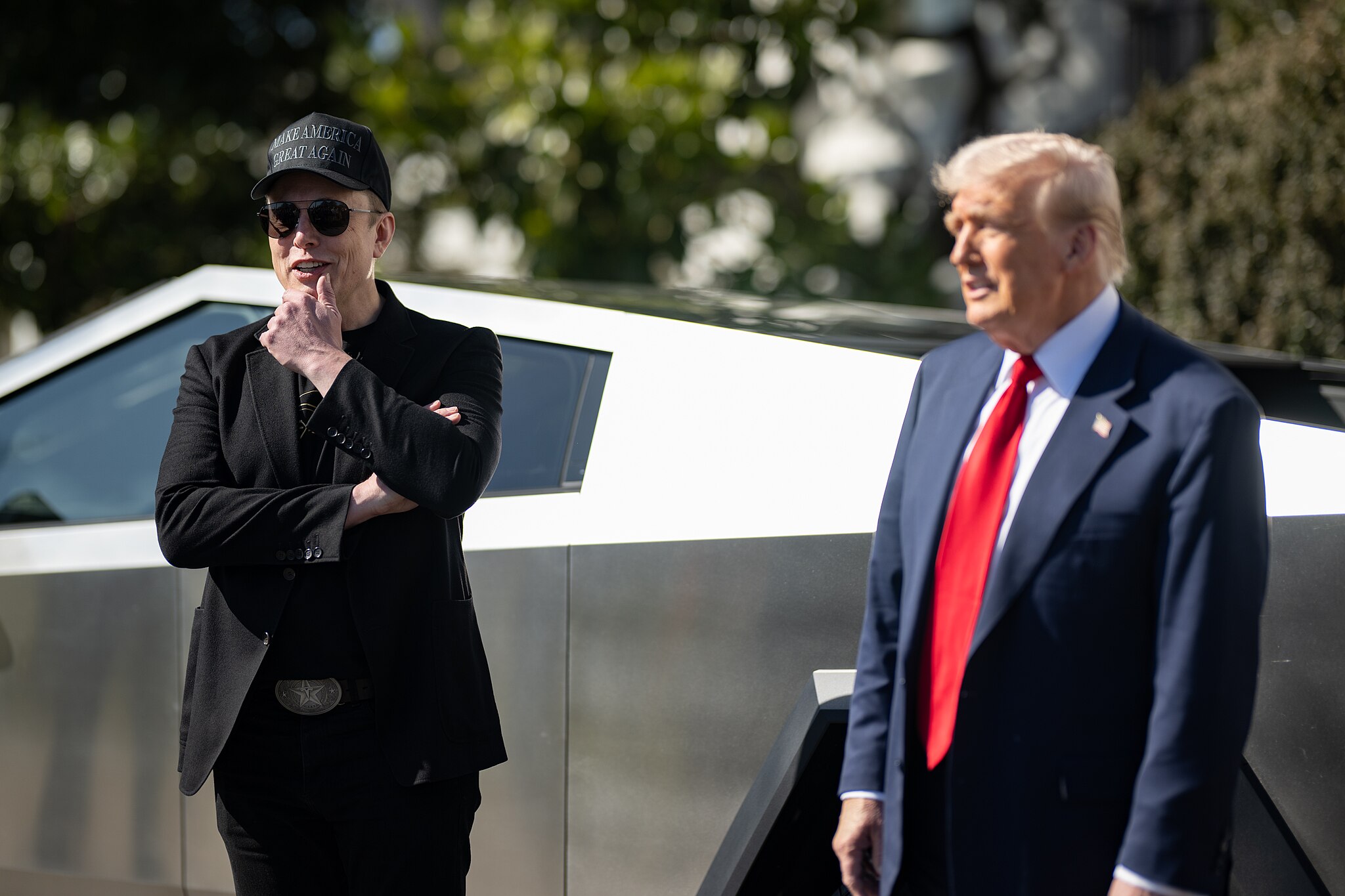
Tesla analysts are breaking down the current feud between CEO Elon Musk and U.S. President Donald Trump, as the two continue to disagree on the “Big Beautiful Bill” and its impact on the country’s national debt.
Musk, who headed the Department of Government Efficiency (DOGE) under the Trump Administration, left his post in May. Soon thereafter, he and President Trump entered a very public and verbal disagreement, where things turned sour. They reconciled to an extent, and things seemed to be in the past.
However, the second disagreement between the two started on Monday, as Musk continued to push back on the “Big Beautiful Bill” that the Trump administration is attempting to sign into law. It would, by Musk’s estimation, increase spending and reverse the work DOGE did to trim the deficit.
Every member of Congress who campaigned on reducing government spending and then immediately voted for the biggest debt increase in history should hang their head in shame!
And they will lose their primary next year if it is the last thing I do on this Earth.
— Elon Musk (@elonmusk) June 30, 2025
President Trump has hinted that DOGE could be “the monster” that “eats Elon,” threatening to end the subsidies that SpaceX and Tesla receive. Musk has not been opposed to ending government subsidies for companies, including his own, as long as they are all abolished.
How Tesla could benefit from the ‘Big Beautiful Bill’ that axes EV subsidies
Despite this contentious back-and-forth between the two, analysts are sharing their opinions now, and a few of the more bullish Tesla observers are convinced that this feud will pass, Trump and Musk will resolve their differences as they have before, and things will return to normal.
ARK Invest’s Cathie Wood said this morning that the feud between Musk and Trump is another example of “this too shall pass:”
BREAKING: CATHIE WOOD SAYS — ELON AND TRUMP FEUD “WILL PASS” 👀 $TSLA
She remains bullish ! pic.twitter.com/w5rW2gfCkx
— TheSonOfWalkley (@TheSonOfWalkley) July 1, 2025
Additionally, Wedbush’s Dan Ives, in a note to investors this morning, said that the situation “will settle:”
“We believe this situation will settle and at the end of the day Musk needs Trump and Trump needs Musk given the AI Arms Race going on between the US and China. The jabs between Musk and Trump will continue as the Budget rolls through Congress but Tesla investors want Musk to focus on driving Tesla and stop this political angle…which has turned into a life of its own in a roller coaster ride since the November elections.”
Tesla shares are down about 5 percent at 3:10 p.m. on the East Coast.
Elon Musk
Tesla scrambles after Musk sidekick exit, CEO takes over sales
Tesla CEO Elon Musk is reportedly overseeing sales in North America and Europe, Bloomberg reports.
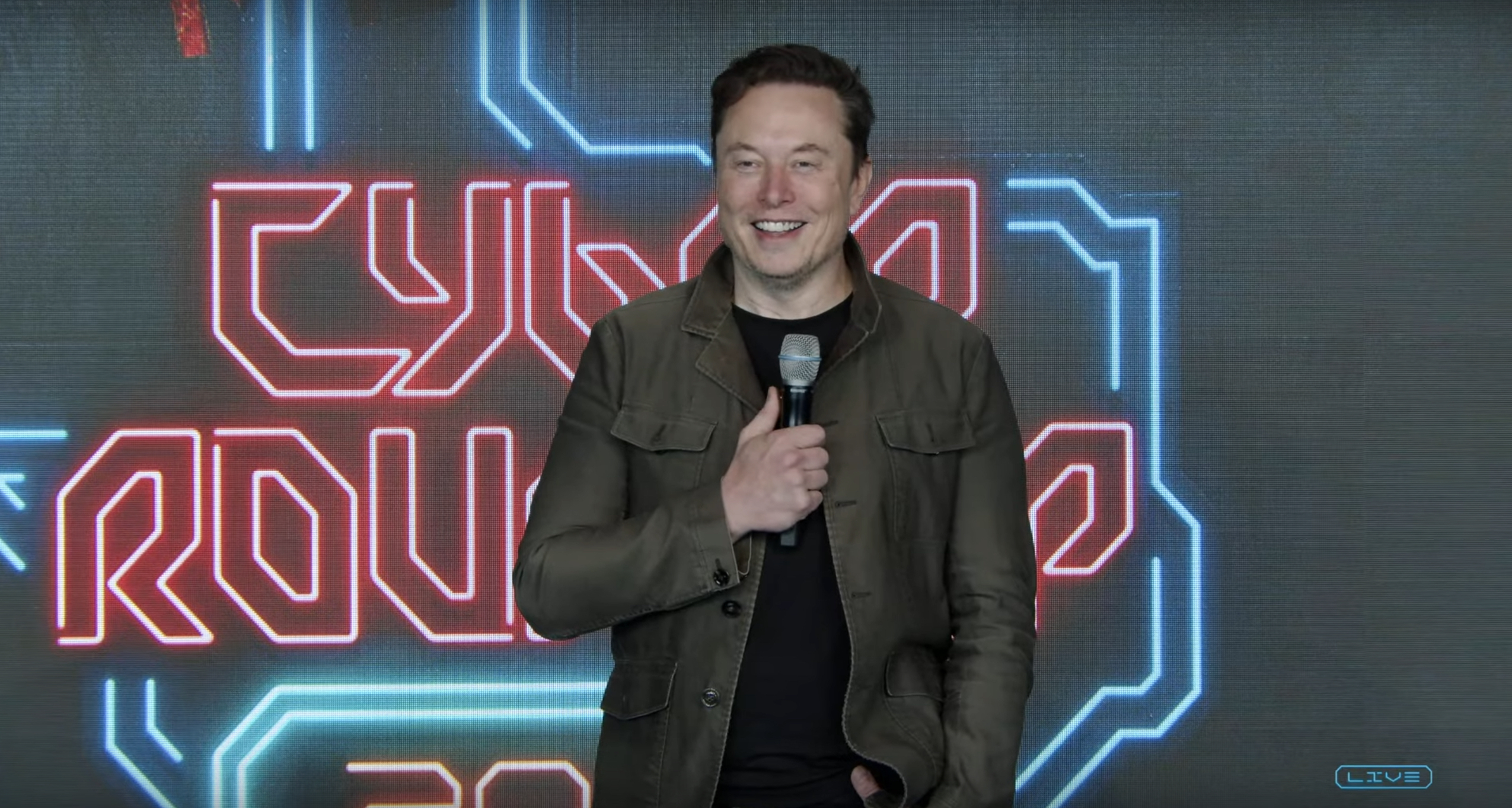
Tesla scrambled its executives around following the exit of CEO Elon Musk’s sidekick last week, Omead Afshar. Afshar was relieved of his duties as Head of Sales for both North America and Europe.
Bloomberg is reporting that Musk is now overseeing both regions for sales, according to sources familiar with the matter. Afshar left the company last week, likely due to slow sales in both markets, ending a seven-year term with the electric automaker.
Tesla’s Omead Afshar, known as Elon Musk’s right-hand man, leaves company: reports
Afshar was promoted to the role late last year as Musk was becoming more involved in the road to the White House with President Donald Trump.
Afshar, whose LinkedIn account stated he was working within the “Office of the CEO,” was known as Musk’s right-hand man for years.
Additionally, Tom Zhu, currently the Senior Vice President of Automotive at Tesla, will oversee sales in Asia, according to the report.
It is a scramble by Tesla to get the company’s proven executives over the pain points the automaker has found halfway through the year. Sales are looking to be close to the 1.8 million vehicles the company delivered in both of the past two years.
Tesla is pivoting to pay more attention to the struggling automotive sales that it has felt over the past six months. Although it is still performing well and is the best-selling EV maker by a long way, it is struggling to find growth despite redesigning its vehicles and launching new tech and improvements within them.
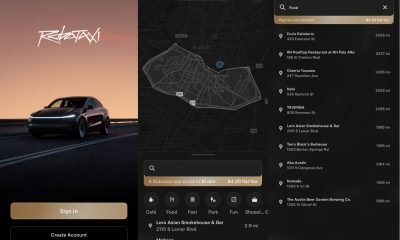
The company is also looking to focus more on its deployment of autonomous tech, especially as it recently launched its Robotaxi platform in Austin just over a week ago.
However, while this is the long-term catalyst for Tesla, sales still need some work, and it appears the company’s strategy is to put its biggest guns on its biggest problems.
Elon Musk
Tesla investors will be shocked by Jim Cramer’s latest assessment
Jim Cramer is now speaking positively about Tesla, especially in terms of its Robotaxi performance and its perception as a company.
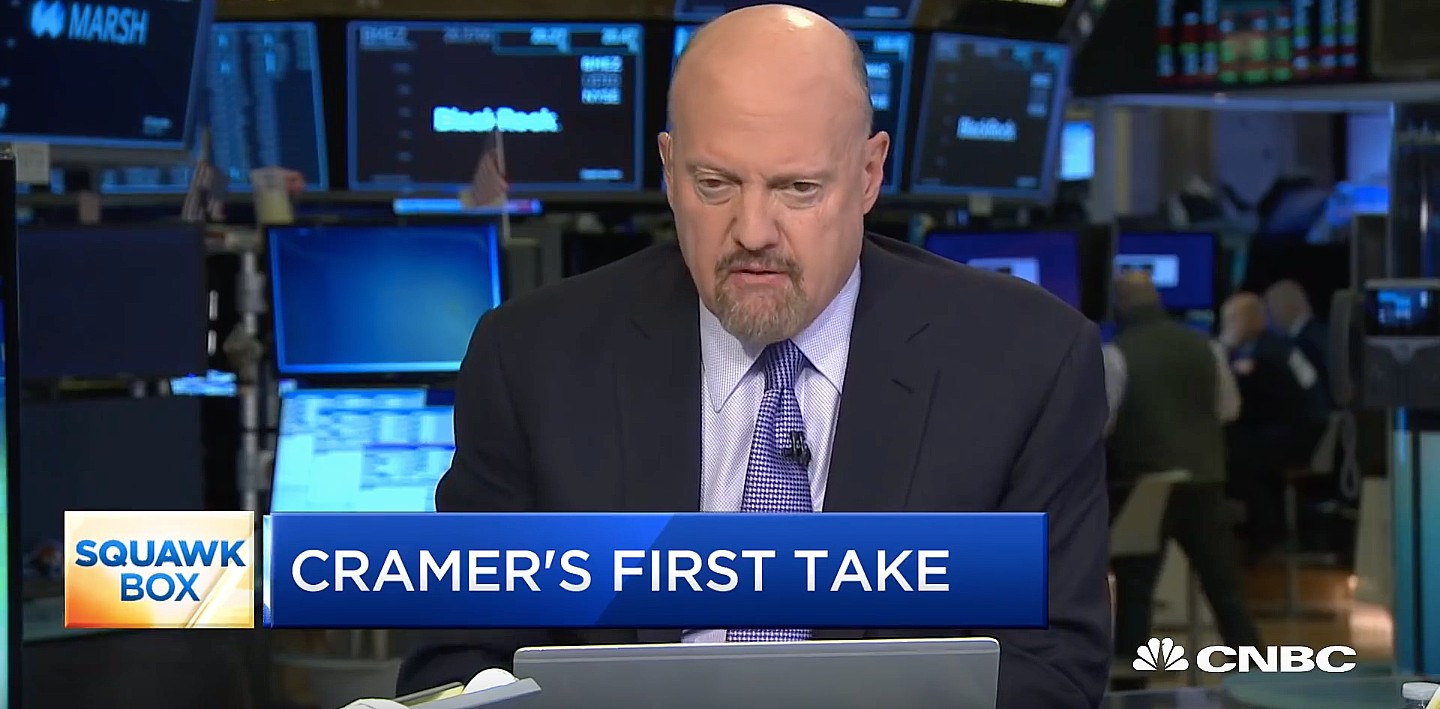
Tesla investors will be shocked by analyst Jim Cramer’s latest assessment of the company.
When it comes to Tesla analysts, many of them are consistent. The bulls usually stay the bulls, and the bears usually stay the bears. The notable analysts on each side are Dan Ives and Adam Jonas for the bulls, and Gordon Johnson for the bears.
Jim Cramer is one analyst who does not necessarily fit this mold. Cramer, who hosts CNBC’s Mad Money, has switched his opinion on Tesla stock (NASDAQ: TSLA) many times.
He has been bullish, like he was when he said the stock was a “sleeping giant” two years ago, and he has been bearish, like he was when he said there was “nothing magnificent” about the company just a few months ago.
Now, he is back to being a bull.
Cramer’s comments were related to two key points: how NVIDIA CEO Jensen Huang describes Tesla after working closely with the Company through their transactions, and how it is not a car company, as well as the recent launch of the Robotaxi fleet.
Jensen Huang’s Tesla Narrative
Cramer says that the narrative on quarterly and annual deliveries is overblown, and those who continue to worry about Tesla’s performance on that metric are misled.
“It’s not a car company,” he said.
He went on to say that people like Huang speak highly of Tesla, and that should be enough to deter any true skepticism:
“I believe what Musk says cause Musk is working with Jensen and Jensen’s telling me what’s happening on the other side is pretty amazing.”
Tesla self-driving development gets huge compliment from NVIDIA CEO
Robotaxi Launch
Many media outlets are being extremely negative regarding the early rollout of Tesla’s Robotaxi platform in Austin, Texas.
There have been a handful of small issues, but nothing significant. Cramer says that humans make mistakes in vehicles too, yet, when Tesla’s test phase of the Robotaxi does it, it’s front page news and needs to be magnified.
He said:
“Look, I mean, drivers make mistakes all the time. Why should we hold Tesla to a standard where there can be no mistakes?”
It’s refreshing to hear Cramer speak logically about the Robotaxi fleet, as Tesla has taken every measure to ensure there are no mishaps. There are safety monitors in the passenger seat, and the area of travel is limited, confined to a small number of people.
Tesla is still improving and hopes to remove teleoperators and safety monitors slowly, as CEO Elon Musk said more freedom could be granted within one or two months.

Tesla analysts believe Musk and Trump feud will pass

Tesla scrambles after Musk sidekick exit, CEO takes over sales

Tesla upgrades Model 3 and Model Y in China, hikes price for long-range sedan


-
 Elon Musk1 day ago
Tesla investors will be shocked by Jim Cramer’s latest assessment
-
 News6 days ago
Tesla Robotaxi’s biggest challenge seems to be this one thing
-

 News2 weeks ago
Tesla’s Grok integration will be more realistic with this cool feature
-
 Elon Musk2 weeks ago
Elon Musk slams Bloomberg’s shocking xAI cash burn claims
-
 News2 weeks ago
Tesla China roars back with highest vehicle registrations this Q2 so far
-
 News2 weeks ago
Texas lawmakers urge Tesla to delay Austin robotaxi launch to September
-
 News2 weeks ago
Tesla dominates Cars.com’s Made in America Index with clean sweep
-
 Elon Musk1 week ago
First Look at Tesla’s Robotaxi App: features, design, and more