News
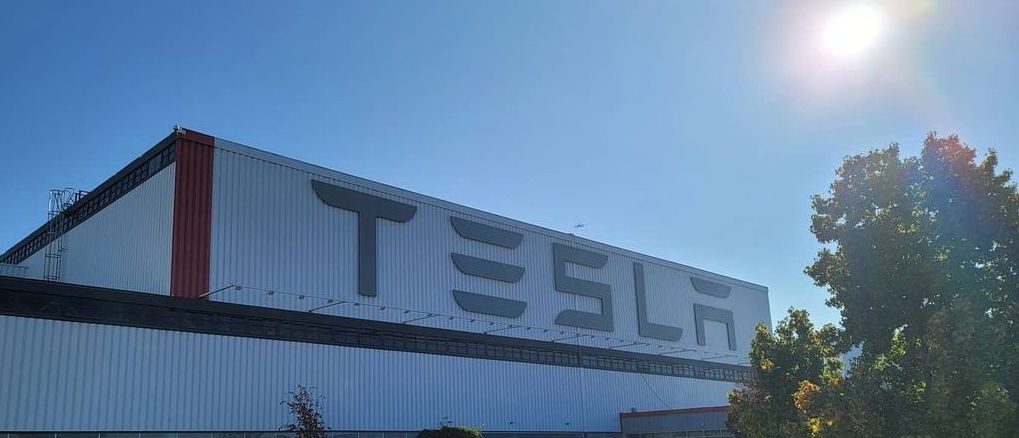
Tesla Giga Mexico jobs disappear from the company’s career page

Amid Tesla’s layoffs, the company’s job listings from its official website have disappeared.
In December 2023, Tesla Mexico posted new job positions in San Pedro Garza Garcia, Nuevo León (NL), near the company’s next gigafactory. At the time, the company was looking for an Indirect Procurement Manager for Giga Mexico in Santa Catarina, NL.
In February 2024, Tesla ramped up its hiring efforts for sales and service jobs in Mexico. It also posted vacant positions for its Supercharger Network, energy storage, and solar business in the country.

In early Q2 2024, an Elon Musk email leak revealed that Tesla planned to lay off 10% of its global staff. The layoffs have already affected workers in China and the United States. The layoffs in China and the United States were swift, with some employees sharing that they were effective immediately. Meanwhile, in Europe, Tesla layoffs must follow procedure and are slower to execute.
As for Mexico, Tesla seems to have paused its hiring efforts in the country. Although, NL’s State Secretary of Economy assured that Tesla’s layoffs would not affect Giga Mexico’s construction.
“As we prepare the company for our next phase of growth, it is extremely important to look at every aspect of the company for cost reductions and increasing productivity.
“As part of this effort, we have done a thorough review of the organization and made the difficult decision to reduce our headcount by more than 10% globally. There is nothing I hate more, but it must be done,” said Elon Musk.
If you have any tips, contact me at maria@teslarati.com or via X @Writer_01001101.


Investor's Corner
Tesla stock gets hit with shock move from Wall Street analysts
Despite Tesla not being an automotive company exclusively, the Wall Street firms and analysts covering its shares are widely dialed in on its performance regarding quarterly deliveries. While it holds some importance, Tesla, from an internal perspective, is more focused on end-to-end AI, Robotaxi, self-driving, and its Optimus robot.

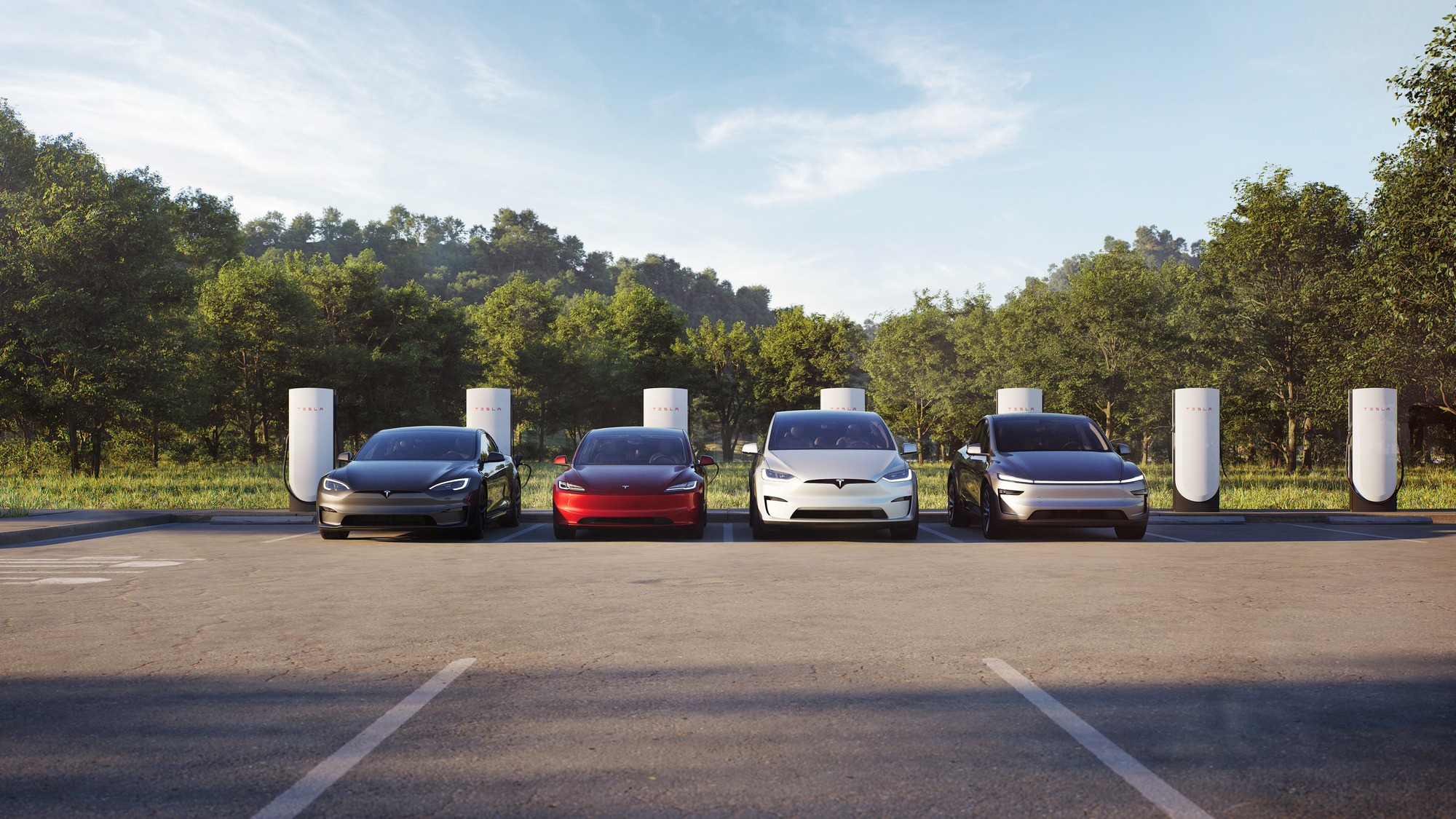
Tesla price targets (NASDAQ: TSLA) have received several cuts over the past few days as Wall Street firms are adjusting their forecast for the company’s stock following a miss in quarterly delivery figures for the first quarter.
Despite Tesla not being an automotive company exclusively, the Wall Street firms and analysts covering its shares are widely dialed in on its performance regarding quarterly deliveries. While it holds some importance, Tesla, from an internal perspective, is more focused on end-to-end AI, Robotaxi, self-driving, and its Optimus robot.
In a notable shift underscoring mounting caution on Wall Street, three prominent investment banks slashed their price targets on Tesla Inc. shares over the past two weeks following the electric-vehicle giant’s disappointing first-quarter 2026 delivery numbers. The revisions highlight softening EV sales figures and, according to some, execution challenges.
Tesla delivered 358,023 vehicles in the January-to-March period, a 14 percent sequential decline and a miss versus consensus forecasts of roughly 365,000 to 370,000 units.
Production hit 408,000 vehicles, yet the delivery shortfall, paired with limited updates on autonomous-driving progress and new-model timelines, rattled investors. Shares fell about 8.7 percent since April 1.
Wall Street analysts are now adjusting their forecasts accordingly, as several firms have made adjustments to price targets.
Goldman Sachs
Goldman Sachs cut its target from $405 to $375 while maintaining a Hold rating. Analyst Mark Delaney pointed to soft EV sales trends and margin pressures.
Truist Financial followed on April 2, lowering its target from $438 to $400 (Hold unchanged), with analyst William Stein citing misses in both auto deliveries and energy-storage deployments, plus a lack of fresh details on AI initiatives and upcoming vehicles.
It is a strange drop if using AI initiatives and upcoming vehicles as a justification is the primary focus here. Tesla has one of the most optimistic outlooks in terms of AI, and CEO Elon Musk recently hinted that the company is developing something for the U.S. market that will be good for families.
Baird
Baird’s Ben Kallo made a very modest trim, reducing its target from $548 to $538, keeping and maintaining the ‘Outperform’ rating it holds on shares. Kallo said the price target adjustment was a prudent recalibration tied to near-term risks.
Truist
Truist analyst William Stein pointed to deliveries and energy storage missing expectations, and cut his price target to $400 from $438. He maintained the ‘Hold’ rating the firm held on the stock previously.
JPMorgan
Adding to the bearish tone on Monday, April 6, JPMorgan’s Ryan Brinkman reiterated an Underweight (Sell) rating and $145 price target, implying roughly 60 percent downside from recent levels.
Brinkman highlighted a “record surge in unsold vehicles” that adds to free-cash-flow woes, with inventory swelling to an estimated 164,000 units.
Tesla’s comfort level taking risks makes the stock a ‘must own,’ firm says
He lowered his Q1 2026 EPS estimate to $0.30 from $0.43 and full-year 2026 EPS to $1.80 from $2.00, both below consensus. Brinkman noted that expectations for Tesla’s performance have “collapsed” across financial and operating metrics through the end of the decade, yet the stock has risen 50 percent, and average price targets have increased 32 percent.
This disconnect, he argued, prices in an unrealistic sharp pivot to stronger results beyond the decade, while near-term realities remain materially weaker.
He advised investors to approach TSLA shares with a “high degree of caution,” citing elevated execution risk, competition, and valuation concerns in lower-price, higher-volume segments.
The revisions have pulled the overall consensus lower. Aggregators show the average 12-month price target now ranging from approximately $394 to $416 across roughly 32 analysts, with a prevailing Hold rating and a mixed split of Buy, Hold, and Sell recommendations.
Brinkman’s $145 target stands as a notable outlier on the bearish side.
Not Everyone Has Turned Bearish on Tesla Shares
Not all firms turned more pessimistic. Wedbush Securities held its bullish $600 target, stressing that AI and full self-driving technology represent the core value drivers, with current delivery softness viewed as temporary.
These moves reflect a broader Wall Street recalibration: near-term EV demand faces pressure from high interest rates, intensifying competition, especially from lower-cost Chinese rivals, and slower adoption.
At the same time, many analysts continue to see Tesla’s technology leadership in software-defined vehicles, autonomy, robotaxis, and energy storage as pathways to outsized long-term gains once macro conditions ease and new models launch.
With Tesla’s first-quarter earnings report due later this month, upcoming details on cost discipline, Cybertruck ramp-up, and AI roadmaps will likely shape whether these target adjustments prove prescient or overly cautious. Investors remain divided between immediate delivery realities and the company’s ambitious vision.
Tesla shares are trading at $348.82 at the time of publishing.
Elon Musk
Tesla Full Self-Driving feature probe closed by NHTSA
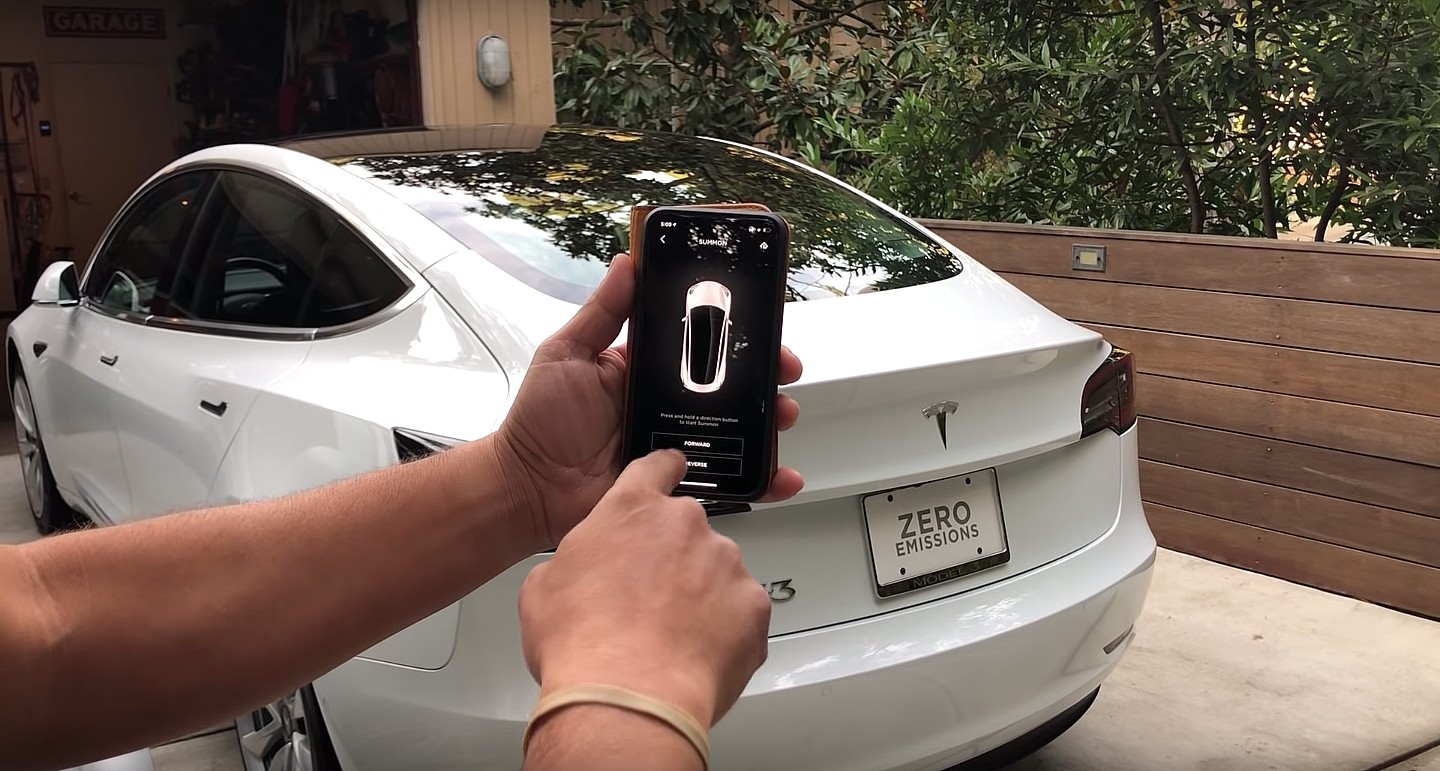
Actually Smart Summon allows owners to move their parked Tesla via a smartphone app remotely, directing the vehicle short distances in parking lots or private property while the driver supervises from the phone.
A probe into a popular Tesla self-driving feature has been closed by the National Highway Traffic Safety Administration (NHTSA) after over a year of scrutiny from the government agency.
The NHTSA has officially closed its investigation into Tesla’s Actually Smart Summon (ASS) feature, marking a regulatory win for the electric vehicle maker after more than a year of scrutiny.
Here’s our coverage on the launch of the probe:
Tesla’s Actually Smart Summon feature under investigation by NHTSA
The preliminary investigation, opened last January, examined roughly 2.59 million Tesla vehicles equipped with the feature across the Model S, Model X, Model 3, and Model Y lineups. ASS is not available for Cybertruck currently.
Actually Smart Summon allows owners to move their parked Tesla via a smartphone app remotely, directing the vehicle short distances in parking lots or private property while the driver supervises from the phone.
Here’s a clip of us using it:
Summon has had some good performances for me in the past
This was in October: https://t.co/w69Zp2bqeg pic.twitter.com/PVXSRj19E0
— TESLARATI (@Teslarati) April 5, 2026
Introduced as an upgrade to the original Smart Summon, the feature was designed to enhance convenience but drew attention after reports of low-speed incidents where vehicles bumped into stationary objects like posts, parked cars, or garage doors.
The NHTSA’s Office of Defects Investigation reviewed 159 incidents, including one formal Vehicle Owner’s Questionnaire complaint and media reports.
Notably, all events occurred at very low speeds, resulted only in minor property damage, and involved zero injuries or fatalities. The agency determined that the incidents were “extremely rare”, a fraction of one percent across millions of Summon sessions, and did not indicate a systemic safety-related defect.
A key factor in the closure was Tesla’s proactive response through over-the-air (OTA) software updates.
During the probe, Tesla deployed at least six updates that improved camera-based object detection, enhanced neural network performance for obstacle recognition, and refined the system’s response to potential hazards. These iterative improvements, delivered wirelessly to the entire fleet, addressed the primary concerns around detection reliability and operator reaction time.
Critics of Tesla’s autonomous features had initially pointed to the crashes as evidence of rushed deployment, especially given the feature’s reliance on the company’s vision-only Full Self-Driving (FSD) stack. However, NHTSA’s decision to close the case without seeking a recall underscores the low-severity nature of the events and the effectiveness of software-based fixes in modern vehicles.
It definitely has its flaws. I used ASS yesterday unsuccessfully:
It was pouring when I left the gym so I tried to Summon my Model Y
It turned the opposite way and drove out of range, stopping here and forcing me to walk even further across the lot in the rain for it 🤣
One day pic.twitter.com/iD10c8sriB
— TESLARATI (@Teslarati) April 5, 2026
However, improvements will come, and I’m confident in that.
The closure comes as Tesla continues to push boundaries with its autonomous driving ambitions, including unsupervised FSD rollouts and robotaxi initiatives. For owners, the ruling reinforces confidence in Actually Smart Summon as a convenient, low-risk tool rather than a hazardous experiment.
While broader NHTSA reviews of Tesla’s higher-speed FSD capabilities remain ongoing, this outcome highlights how data-driven analysis and rapid OTA remediation can satisfy regulators in the evolving landscape of automated driving technology.
Tesla has not issued an official statement on the closure, but the move is widely viewed as bullish for the company’s autonomy roadmap, reducing one layer of regulatory overhang and allowing focus on further refinements.
Elon Musk
Tesla uses Model S and X ‘sentimental’ value to enforce massive pricing move
By slashing production and creating immediate scarcity, the company has transformed these remaining vehicles into limited-edition relics. The price hike is not driven by rising material costs or new features.
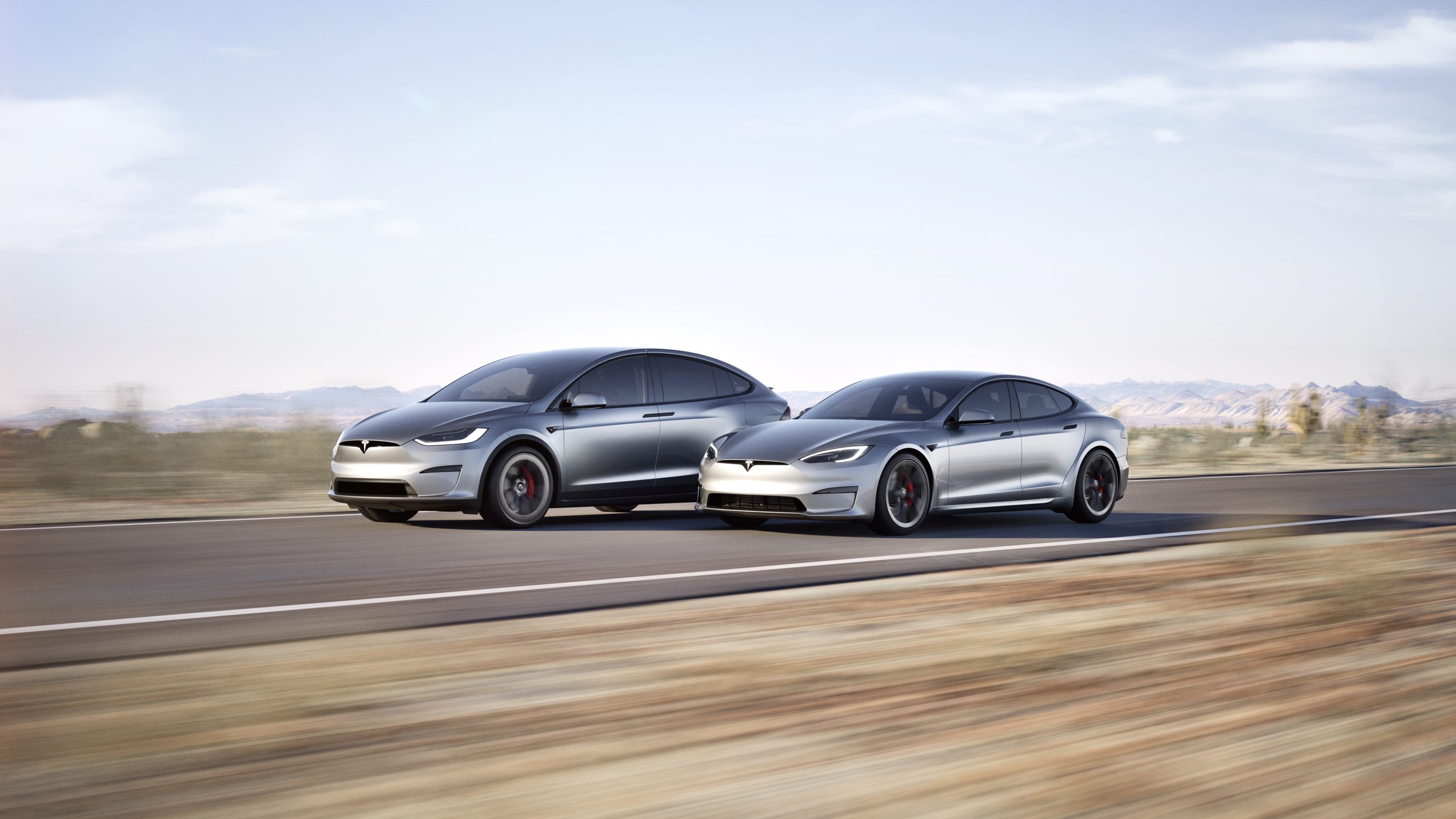
Tesla is using the “sentimental” value that CEO Elon Musk talked about with the Model S and Model X to enforce one of the most massive pricing moves it has ever applied as it begins to phase out the flagship vehicles.
Tesla quietly executed one of its most calculated pricing plays yet. After officially ending production of the Model S and Model X, the company raised prices on every remaining new and demo unit by roughly $15,000.
The refreshed starting prices now sit at:
- $109,990 for the Model S AWD
- $124,900 for the Model S Plaid
- $114,900 for the Model X AWD
- $129,900 for the Model X Plaid
NEWS: Tesla has raised the price on all remaining new (and demo) Model S and Model X vehicles left in inventory by $15,000.
New starting prices:
• Model S AWD: $109,990
• Model S Plaid: $124,900
• Model X AWD: $114,900
• Model X Plaid: $129,900 pic.twitter.com/qBEhsYAfXr— Sawyer Merritt (@SawyerMerritt) April 5, 2026
Every vehicle comes fully loaded with the Luxe Package, Full Self-Driving Supervised, four years of premium connectivity and service, and lifetime free Supercharging. What looks like a simple inventory adjustment is, in reality, a masterclass in monetizing nostalgia.
These are not ordinary cars. For many owners, the Model S and Model X represent the purest expression of Tesla’s original promise—the sleek, over-engineered flagships that proved electric vehicles could be faster, quieter, and more desirable than their gasoline counterparts.
Tesla removes Model S and X custom orders as sunset officially begins
They are the vehicles that carried Elon Musk’s vision from Silicon Valley startup to global automaker.
The final units rolling off the line carry an emotional weight that numbers alone cannot capture. Buyers are not simply purchasing transportation; they are acquiring a piece of Tesla history, the last examples of the very models that defined the brand’s first decade.
Tesla, with this move, understands this sentiment deeply.
By slashing production and creating immediate scarcity, the company has transformed these remaining vehicles into limited-edition relics. The price hike is not driven by rising material costs or new features.
It is driven by the knowledge that a certain segment of buyers, loyalists, collectors, and enthusiasts, will pay a premium precisely because these cars are about to disappear. The strategy converts emotional attachment into margin.
Where other automakers might discount outgoing models to clear lots, Tesla is betting that sentiment is worth more than volume.
The move also quietly rewards existing owners. Scarcity instantly boosts resale values for the hundreds of thousands of Model S and X already on the road, reinforcing brand loyalty among the very people who helped build Tesla’s reputation.
In the end, Tesla’s pricing decision reveals a sophisticated understanding of its audience. As the company pivots toward next-generation platforms, it has found a way to extract one final, lucrative chapter from its heritage.
For buyers willing to pay the new prices, the premium is not just for the car; it is for the feeling of owning the last true originals. Tesla has turned sentiment into strategy, and in the process, reminded everyone that even in the EV era, emotion remains a powerful line on the balance sheet.

Tesla stock gets hit with shock move from Wall Street analysts

Tesla Full Self-Driving feature probe closed by NHTSA


