News
SpaceX sets new goals for Falcon booster reuse goals after ten-flight milestone

Speaking virtually at Barcelona’s 2021 Mobile World Congress (MWC), CEO Elon Musk says that SpaceX has already set its sights on even more ambitious reusability goals for Falcon rocket boosters.
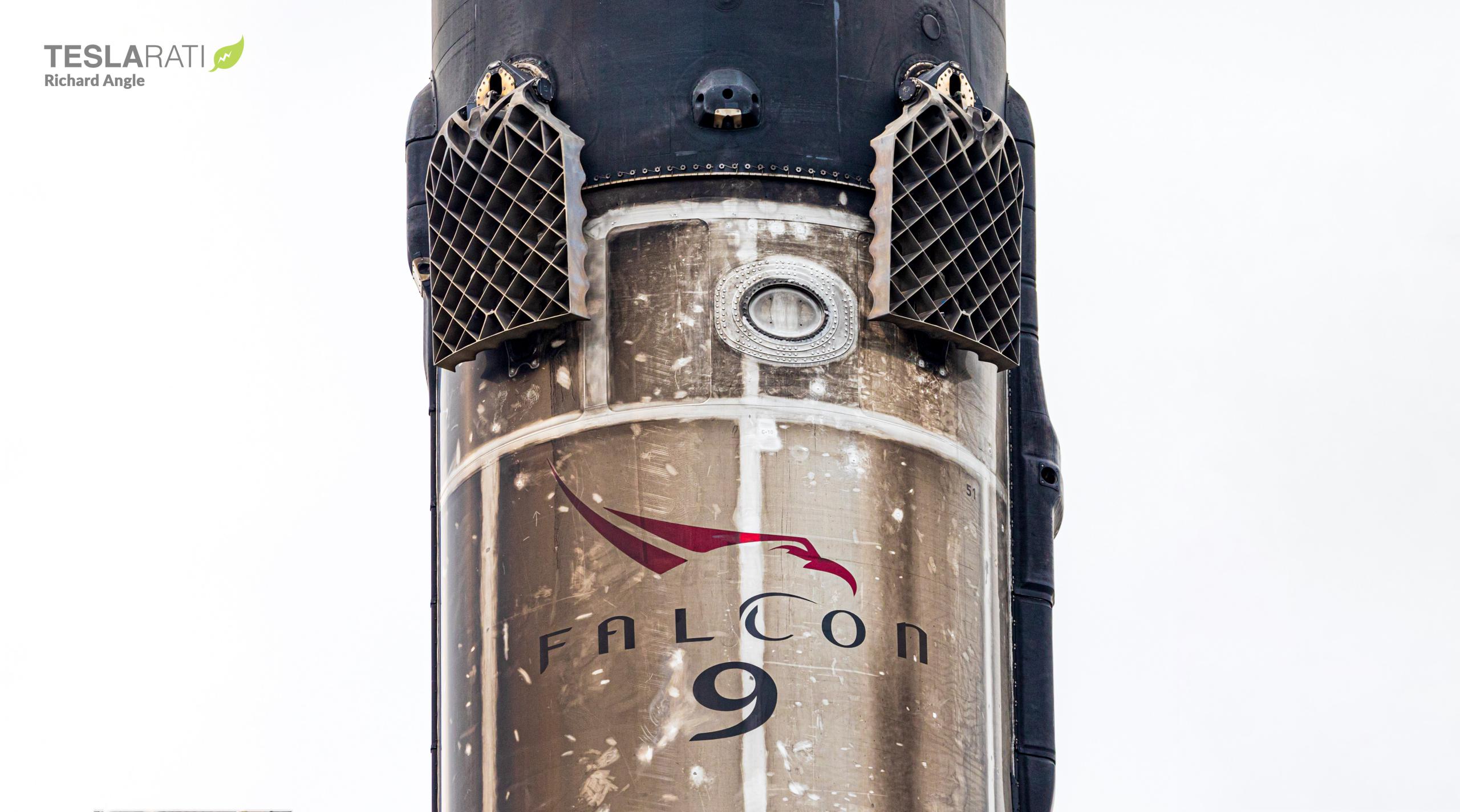
Less than two months prior, booster B1051 sent 60 satellites and an upper stage on their way to orbit, simultaneously becoming the first Falcon 9 first stage to ace ten orbital-class launches and landings, crossing a mostly symbolic – but still significant – milestone years in the making. SpaceX competitors – most notably the United Launch Alliance – have often held the ten-flight mark over its head as the latest in a long line of moving goalposts used to discredit, demean, and look down upon reusable rockets and SpaceX’s efforts to realize them.
Not long before it was clear that SpaceX would hit that 10-flight target with at least one Falcon booster, competitors working overtime to rationalize a lack of substantial investment into reusable rockets shifted their goalposts again, expanding rationales to require a fleetwide average of ten flights. Instead of explaining why SpaceX’s reusability plans could never work, as many dozens of aerospace executives have assuredly done over the last 5-10 years, the new attitude du jour is to claim that SpaceX’s ability to achieve its reuse goals was never actually in doubt and that the economics of full booster reuse simply can’t make economic sense!
Now, five and half years after Falcon 9’s first successful booster landing, four years after SpaceX’s first successful booster reuse, and seven weeks after a Falcon 9 first stage’s first ten-flight milestone, Elon Musk says that some of the company’s fleet of boosters are already “slated to fly 20 or possibly 30 times.” Never one to personally rest or allow his companies to rest on their laurels, SpaceX now has a new target to strive for as teams work to ramp and sustain Falcon 9’s launch cadence at record-breaking levels.
Back before Falcon 9’s Block 5 upgrade debuted in May 2018, Musk held a press conference in which he made it abundantly clear that it was SpaceX’s “unequivocal intent” to launch new Falcon boosters up to 10 times without refurbishment. Three years later, although SpaceX ultimately abandoned plans to recover and reuse Falcon 9’s upper stage to prioritize Starship development, Musk’s dream of cutting the cost of launch by a full magnitude has almost been realized.
Technically, if SpaceX had developed a reusable upper stage, Falcon 9 as it stands today could feasibly cost just ~10% of its list price (~$6 million. Factoring in the cost of a new expendable upper stage for each mission, the actual cost of a modern Falcon 9 launch with a flight-proven booster and payload fairing is closer to ~$18M. However, in the same June 2021 interview, Musk confirmed that the cost of Falcon 9 operations – as in refurbishment, recovery, consumables, and any other recurring work – is just 10% of the cost of launch, effectively confirming that Falcon 9’s Block 5 upgrade really did create a rocket booster that requires virtually no refurbishment.
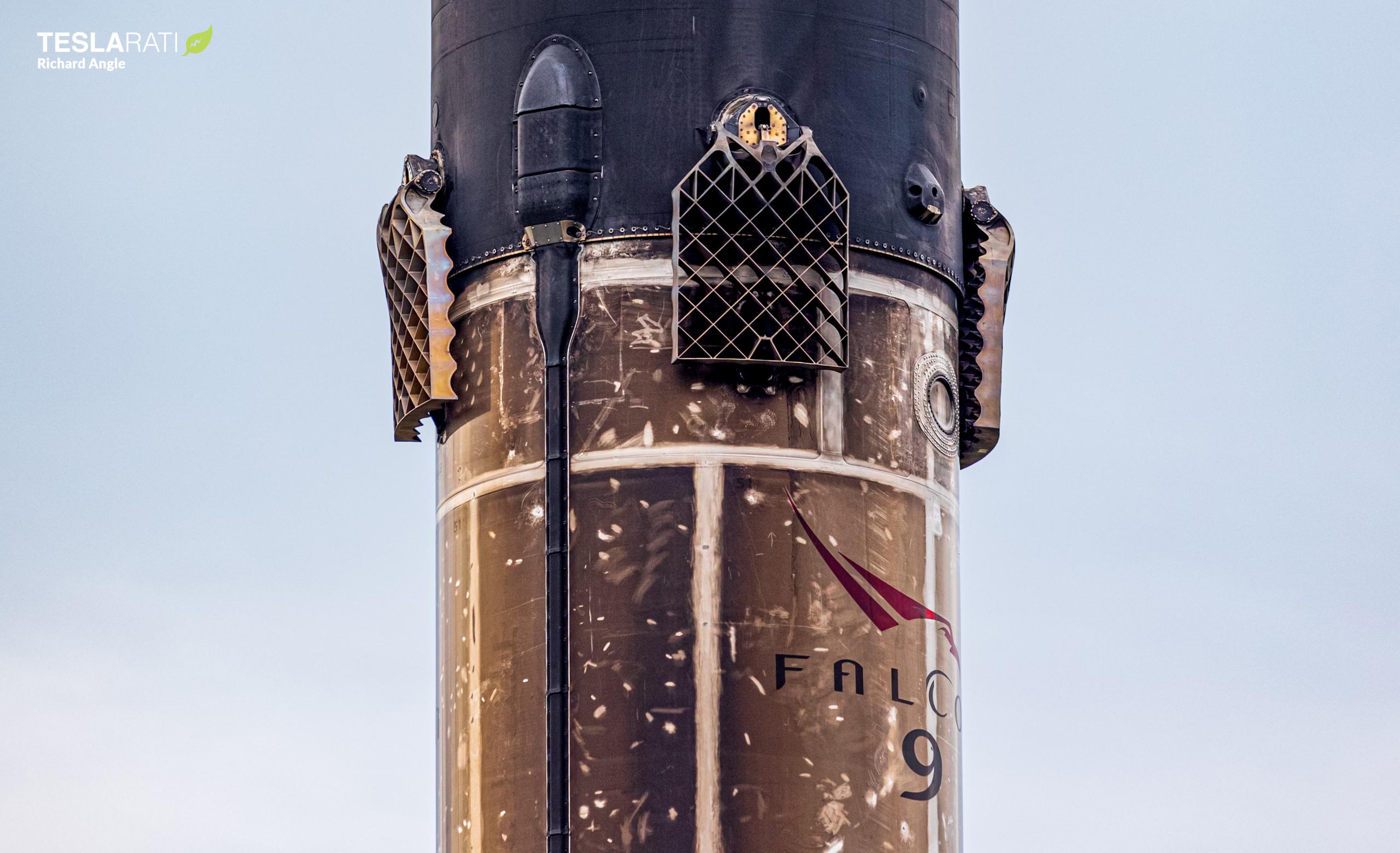
Back in Musk’s 2018 conference call, he also noted that beyond plans for up to ten flights without refurbishment, Falcon boosters could feasibly be made to fly dozens or even 100+ times with occasional in-depth maintenance – not unlike modern aircraft. Three years later, Musk is now talking about launching certain Falcon boosters 20 or 30 times, while something approximating the recurring maintenance he once described has yet to crop up.
It’s possible, in other words, that SpaceX has found that Falcon 9 Block 5 boosters – which do need some small amount of refurbishment and inspection after each launch – can actually be flown 20 or 30 times without major rework. Ultimately, only time will tell, but Falcon 9 B1051’s 11th flight is expected – this time from the West Coast – as early as late July or August 2021, carrying SpaceX’s first or second dedicated batch of polar Starlink satellites. B1051 arrived at Vandenberg Air/Space Force Base (VAFB) in late June about a month after Falcon 9 B1049 – likely set to become the second booster to complete ten launches.



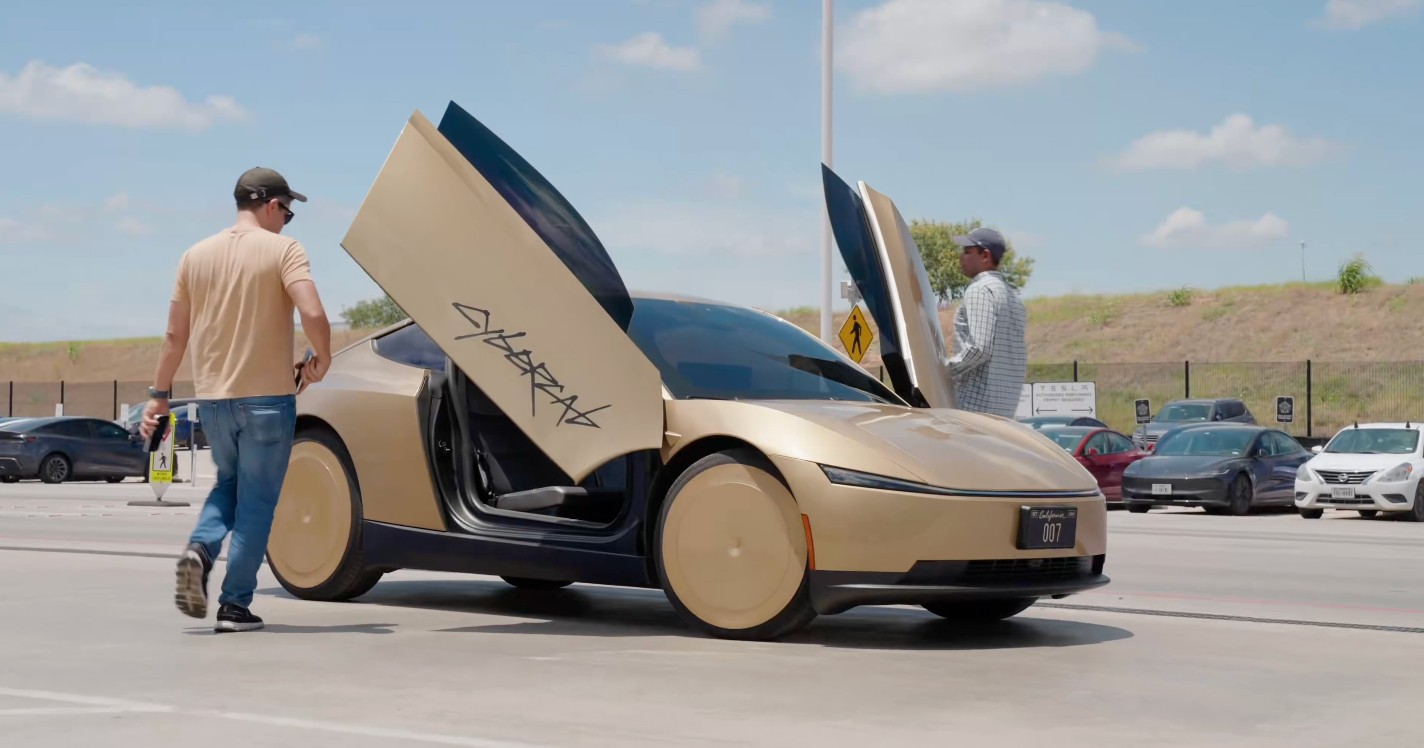
Tesla’s early strategy for charging units operating within its Robotaxi fleet reveals that the company surely has not lost any of that scrappy DNA that took it from an unlikely success story to the most valuable carmaker in the world.
An observer at a Tesla Supercharger in Austin spotted ten total Robotaxi vehicles arrive: one Cybercab and nine Model Y units. A Tesla employee was waiting at the lot and allowed each unit to park itself; every car that arrived had nobody in it.
Tesla wins FCC approval for wireless Cybercab charging system
The Tesla employee would walk around and plug each car in, adjusting the parking if needed:
So look at what I found. This is how Tesla charges unsupervised robotaxis at a public supercharger. Here is a driverless Cybercab showing up with no one in it. There are 9 other Model Ys that showed up too. A Tesla employee is walking around and plugging each of them in. She also moves the cars if they are not positioned well enough to charge. I love this process. One person charges multiple robotaxis at once
— Abhimanyu Yadav (@WorldlyReviewer) October 3, 2026
It’s a very interesting strategy, but extremely understandable at this early point in the Robotaxi program. It’s only been out for about 15 months, and Cybercab just entered the fleet in early September.
On top of that, Tesla is still working tirelessly on its wireless charging apparatus, and a new patent was just published regarding that product last week.
However, this is just another example of how Tesla still has plenty of that scrappy DNA leftover from the “production hell” days, when CEO Elon Musk slept on the floor of the factory, employees were working crazy hours, Tesla was building Sprung Structures to build cars in, and the company was tiptoeing on the brink of bankruptcy.
@Teslarati Sheer magnitude of the entire production system is hard to appreciate. Almost every element of production is >75% automated. Only wire harnesses & general assembly, which are <10% of production costs, are primarily manual.
— Elon Musk (@elonmusk) October 12, 2020
For now, Tesla is utilizing a simple system for recharging its ride-hailing vehicles, and that is a Tesla employee doing it manually until another solution presents itself. Sure, it’s not the most high-tech thing, and it certainly is not what people might have expected at this point in time, but it works, and it’s keeping the entire suite running.
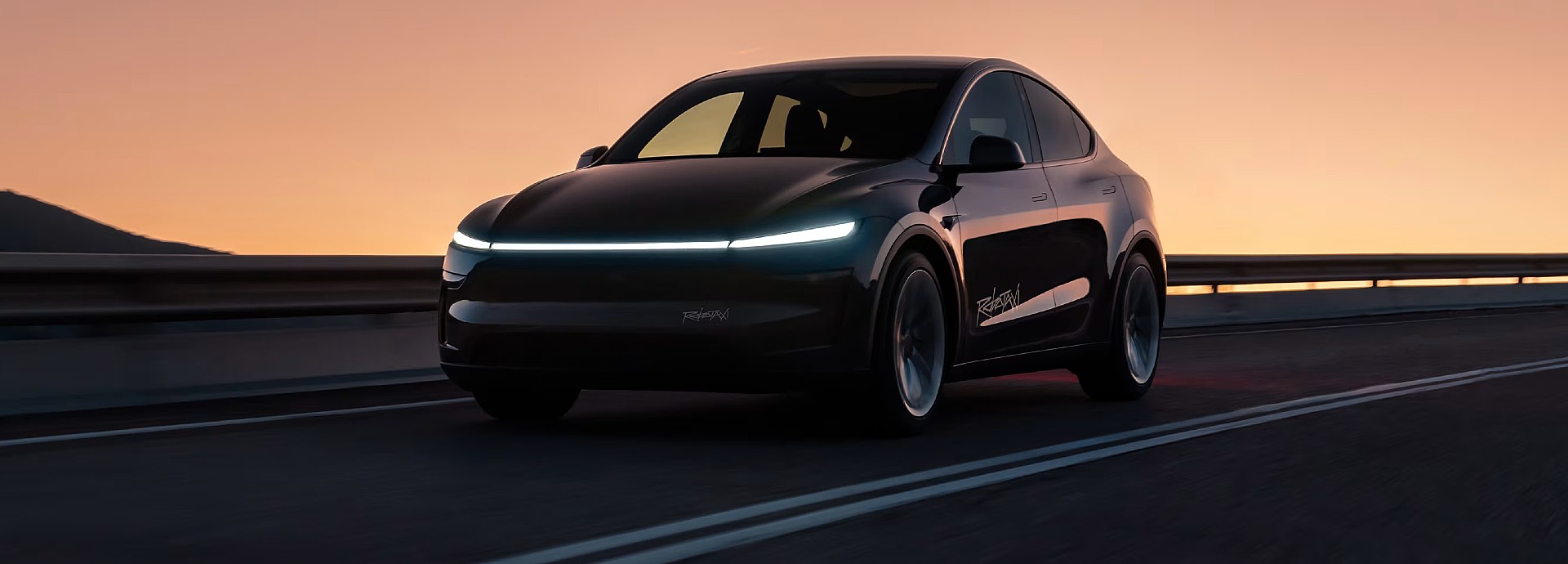
Tesla is expanding its Robotaxi service hours by pushing the time back by one hour, keeping the ride-hailing service operational until 11 p.m., one hour later than previously.
CEO Elon Musk confirmed the change and offered a specific reason the expansion has been gradual: the system still needs to reliably avoid small pets that are difficult to see after dark, as they commonly blend into the color of the road, especially when they’re grey.
The latest adjustment restores only a fraction of the operating window the service once held. When paid Robotaxi rides began in Austin on June 22, 2025, vehicles ran from 6 a.m. to midnight.
In September 2025, Tesla lengthened the day to a 2 a.m. close, producing a 20-hour window that stayed in place for most of the following year. By early August of this year, the cutoff had already been pulled back; an August 26 update formalized hours of 6 a.m. to 10 p.m. across Austin and several other markets.
The October move to 11 p.m. therefore leaves the Austin day one hour shorter than the original launch schedule and three hours shorter than the 2025 peak.
Musk addressed the constraint directly after the announcement. “The main thing we’re trying to solve is making sure that we don’t run over pets when they’re hard to see at night,” he wrote. “Literally trying to avoid grey kittens on grey tarmac in the dark.”
Robotaxi operating hours moved from 10pm to 11pm.
The main thing we’re trying to solve is making sure that we don’t run over pets when they’re hard to see at night. Literally trying to avoid grey kittens on grey tarmac in the dark.
— Elon Musk (@elonmusk) October 3, 2026
The example points to a low-contrast perception problem in which a small animal can blend into the road surface under limited lighting.
Tesla’s vehicles rely on cameras and neural-network processing rather than lidar; Musk has previously argued that advanced vision software can extract useful information even in low light by analyzing photon counts, but the pet-detection case remains the stated limiter in later hours.
The modest schedule change arrives alongside faster growth in the purpose-built Cybercab fleet. Texas registration data tracked by observers showed the Austin Cybercab count rising sharply in recent weeks, reaching 169 vehicles after more than 100 were added in a short span.
Tesla has indicated that a broader shift toward 24-hour operation is tied to the upcoming FSD v15 software release expected this month on Robotaxi vehicles. Until that capability is validated for the edge cases Musk described, the company continues to add service time incrementally rather than jumping straight to overnight coverage.
The one-hour extension gives Austin riders a later option for evening trips while the underlying detection work continues.
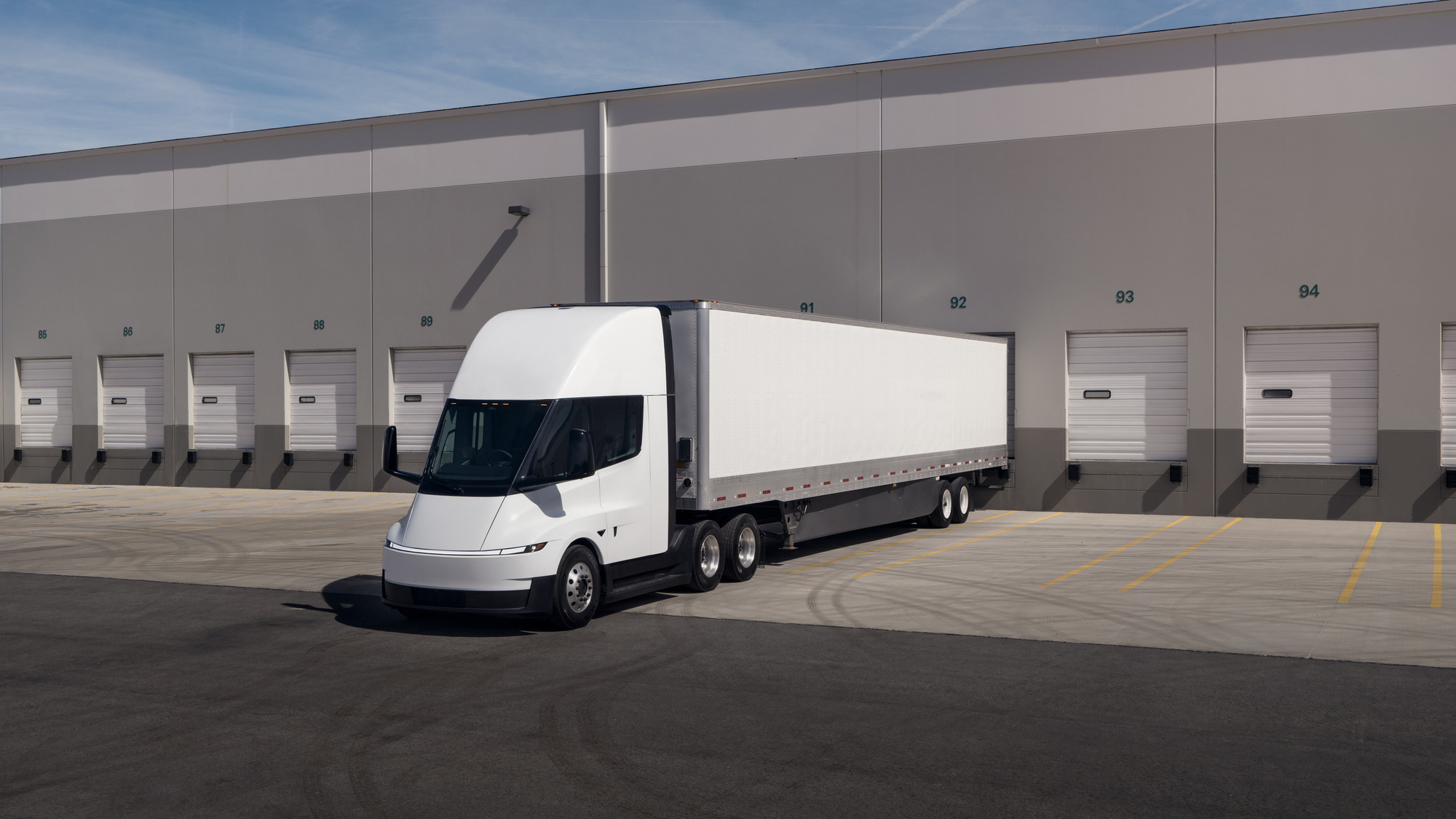
Tesla has snagged a deal with IMC Logistics to supply the company with 50 Semi units for its logistics operations.
IMC handles drayage and landside logistics and has over 2,700 asset trucks in its fleet. In its over forty years of service, it has established more than 50 locations across the United States and spans operations from coast to coast.
Jim Gillis of IMC said that the addition of the Tesla Semi will help IMC move toward a “zero-emission service for long-haul lanes.”
The move is one that has become more common over the past few years, as more and more companies doing large-scale logistics have moved to sustainable powertrains, using either Tesla or others.
🚨 IMC Logistics announced that it will add 50 Tesla Semis to its fleet https://t.co/ymh1Ca2IuX
— TESLARATI (@Teslarati) October 5, 2026
Tesla’s Semi program just entered its first truly public phase, as the company handed over its first production units to companies in September, although a pilot program with companies like PepsiCo. and Frito-Lay has been ongoing for years.
IMC announced its intention to purchase 50 Semi units from Tesla in September, and according to VP of Marketing and Public Relations on September 29 to Trucking Drive, the company will take delivery either this week or took delivery late last week.
With surging prices of diesel and high logistics costs, Tesla and the Semi could truly revolutionize how companies manage their fleets. With the advent of Full Self-Driving, the Semi will potentially cut down on driver fatigue and increase productivity, while decreasing the cost of operation per mile by being cheaper to refuel.
Tesla had a dedicated Semi handover event at the Semi factory in Sparks, Nevada, a few weeks back, as it officially introduced its truck to many company fleets that have been waiting to add these sustainable powertrains.

Tesla reveals early Robotaxi charging strategy, showing scrappy DNA

Tesla Robotaxi expands hours, Musk explains why it’s been a challenge


