Elon Musk
Tesla’s pay package saga with Elon Musk enters its final chapter

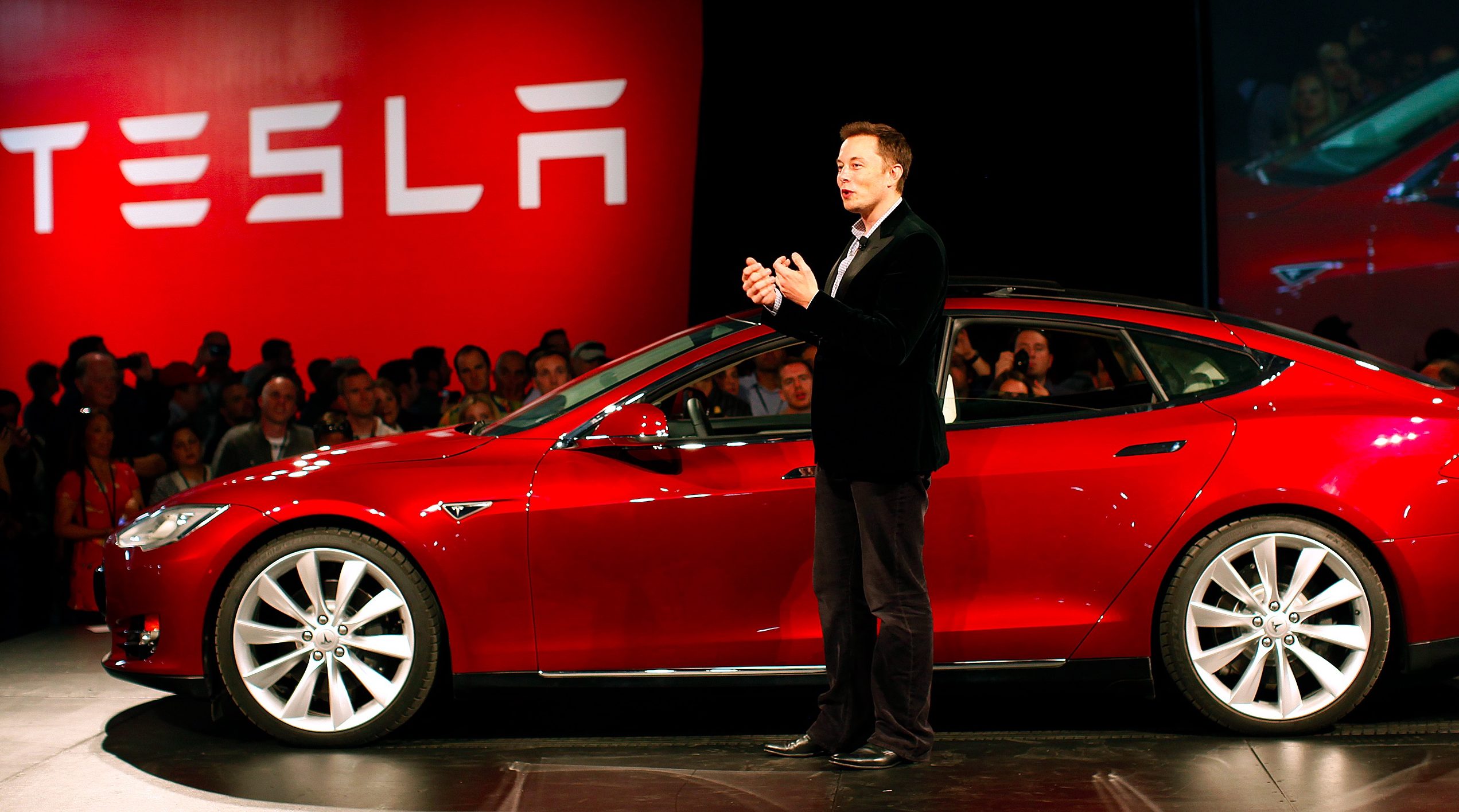
Tesla has made a last-ditch effort to secure the $56 billion pay package for CEO Elon Musk, which was approved twice by company shareholders, after a Delaware Chancery Court denied the frontman the payday.
Perhaps one of the biggest issues from a standpoint of being fluent in Tesla-related events has been Musk’s pay package.
It was approved by shareholders once in 2018, and required Musk to oversee various growth tranches that would bring investors value. He completed each of the tranches and was entitled to the pay package.
However, the Delaware Chancery Court decided in January 2024 to rescind the pay package, which Musk had earned, based on a suit filed by a shareholder.
Chancellor Kathaleen McCormick ruled that Tesla’s board lacked independence from Musk when the pay package was approved in 2018, and that it should not be granted.
She called it “an unfathomable sum.”
In response to the pay package’s rejection by Chancellor McCormick, Tesla held a second shareholder vote last year, which once again showed investors were willing to support Musk’s payday. It was approved by shareholders, but it was once again denied by the court.
Today, Tesla attorneys argued to the Delaware Supreme Court that the pay package should be restored because of last year’s vote by shareholders.
Jeffrey Wall, an attorney for Tesla, said (via Reuters):
“This was the most informed stockholder vote in Delaware history. Reaffirming that would resolve this case. Shareholders in 2024 knew exactly what they were voting.”
In a response to the decision by the Delaware courts last year, Tesla proposed a new pay package for Musk in September, which would give him a potentially $1 trillion compensation plan. It would require Musk to help Tesla reach several performance-based growth milestones, including achieving an $8.5 trillion market cap.
Elon Musk’s new pay plan ties trillionaire status to Tesla’s $8.5 trillion valuation
Musk is currently worth $483 billion, making him the richest person in the world. If he were to achieve his pay package tranches, granted the new pay package is passed at the Shareholder Meeting in November, he would easily be the first trillionaire.


Give the gift of Tesla upgrades.
Shop for someone else or treat yourself. Get more shopping power with a Teslarati gift card.
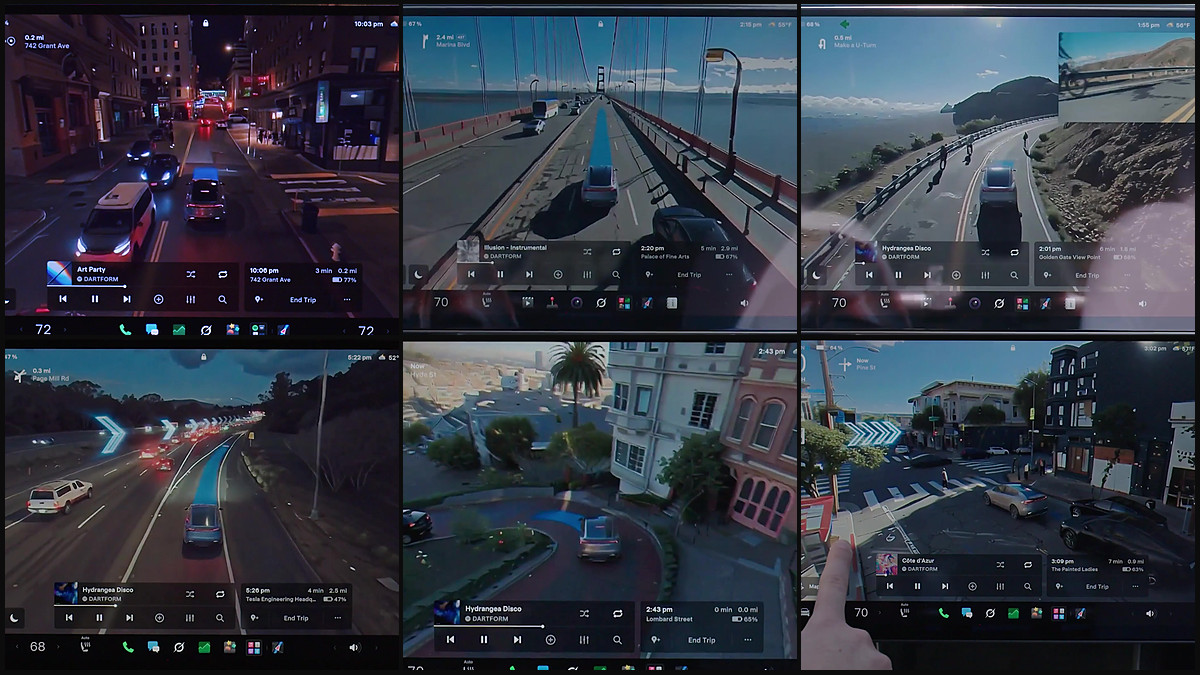
Tesla has announced that Full Self-Driving version 15 is now rolling out, after CEO Elon Musk said earlier today that the wide rollout would occur in December.
Now, Tesla is rolling out to Early Access Program (EAP) members v15’s first builds, and there are a lot of new improvements.
Tesla explicitly stated that safety improvements come in the form of “25x better handling of safety critical cases.” It is also rolling out “Tesla Reality View,” a new version of the Driver Visualization that appears to be much more realistic and could potential use Unreal Engine, according to the teaser video Tesla posted on social media. This “adds a live visualization of the drive that lets you see & control what FSD is planning to do.”
FSD v15 now starting to roll out – upgrading every part of the end-to-end driving network
Safety
25x better handling of safety critical casesTesla Reality View
Adds a live visualization of the drive that lets you see & control what FSD is planning to doNavigation for start & end of the trip now learns end-to-end from fleet route preferences. Later v15 releases will expand this to the entire route.
You also should notice better detection of signs, animals, debris, potholes and standing water, plus more natural speed handling in school zones and inclement weather.
Lastly, FSD can now slow for speed cameras & Bike Rack Mode lets you enable FSD w/ bike racks or similar hitch accessories
— Tesla (@Tesla) November 21, 2026
Perhaps the biggest improvements that Tesla mentioned, however, are that of Navigation fixes and better detection and aversion from potholes, debris, and animals, as well as “more natural speed handling in school zones and inclement weather.”
Tesla also added a new “Bike Rack Mode,” which will enable FSD’s use when bike racks or other hitch accessories are attached.
Tesla also revealed the full Release Notes for v15:
- Upgraded vision encoder shared between FSD, Robotaxi, and Optimus, which is trained on millions of internet videos for improved generalization and data efficiency, improving the critical intervention rate by 25x.
- Introduced Tesla Augmented Reality, replacing all of the explicit model signals into a single end-to-end visualization using less total compute.
- Improved navigation by using an end-to-end learned model based on route preference data from the fleet.
- Improved parking location selection by using personalized parking history, and the map will now display multiple parking options at your destination.
- Improved driver monitoring by increasing vision-based attention monitoring availability with hats and sunglasses and decreasing strictness in higher speed driver profiles.
- Improved detection of road signs, small animals, road debris, and chains.
- Improved detection of potholes, road details, and avoidance of deep standing water.
- Improved speed handling for each driver profile, school zones and speed limits, and inclement weather.
- Improved Autoshift functionality by unifying with FSD-based gear predictions.
- Tesla Reality View New: real-time generative driving visualization that continuously streams a view from an arbitrary virtual camera situated above your vehicle, enabling you to see and control what FSD is planning to do. Select between fullscreen visualizations, maps or a split view – or choose quiet mode for a calming cabin experience. Upcoming navigation turns display directly in the driving visualization. Turn signals are quieter and fade out after a few clicks.
- Speed Camera Slowdown: FSD (Supervised) can now slow down when it detects a speed camera. Press the accelerator or increase your speed profile to cancel the slowdown. If you cancel twice at the same camera, your Tesla saves that location and will not slow down there again. To remove saved cameras, go to Controls > Service > Manage Saved Locations.
- Bike Rack Mode With Bike Rack Mode, you can now engage FSD (Supervised) when a bike rack or similar hitch accessory is installed. When Bike Rack Mode is enabled, FSD (Supervised) pulls over near your destination and does not reverse. Autopark, Summon, and Backup chimes and warnings will be disabled.
It sounds like there are some really great improvements, and this is probably just a handful of what other improvements will come from these upgrades. For example, the UI changes will likely come with some other features that will be discovered upon the public having hands-on experience with it.
Musk said this morning that a wide release would occur sometime in December.
We’re looking forward to testing it when it arrives to us!
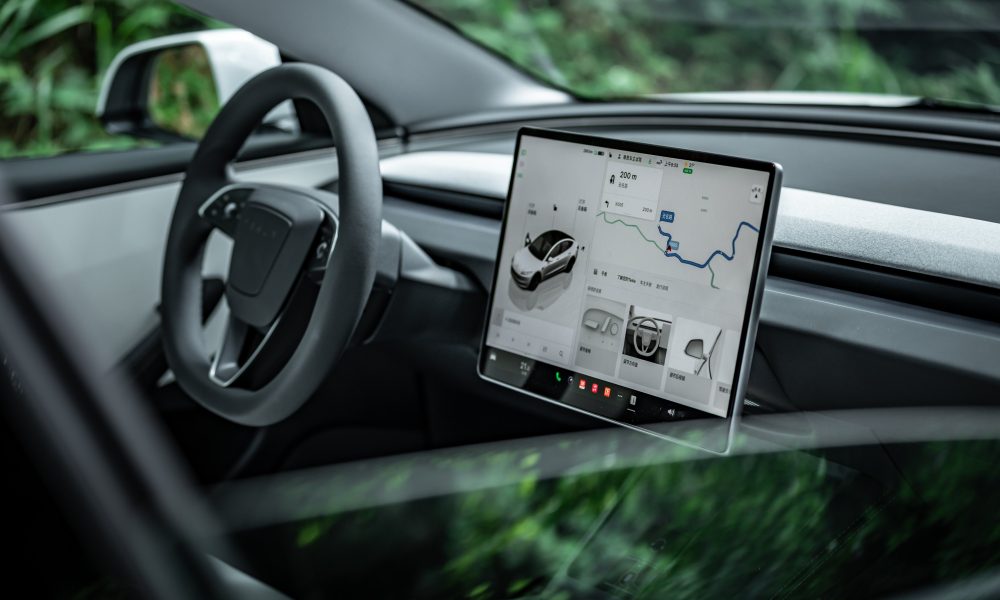
Tesla Full Self-Driving v15 has received an official release date from CEO Elon Musk, who says the newest and most capable version of the suite will go wide in December with the 2026 Holiday Update.
That means the first iterations of the suite could actually come sooner, as the Early Access Program is the initial batch of owners to receive a new FSD release. Musk’s comments released a few tidbits of information, but nothing overwhelmingly revealing about its capabilities.
Musk was talking about supervised fine-tuning, stating that it is like “getting a haircut with a chainsaw,” before stating that FSD v15 will roll out wide for owners next month:
SFT is more like getting a haircut with a chainsaw than it is “fine-tuning”! Should just be built into primary training.
And having a “system prompt” is silly! Default behavior should be sensible.
The above are already true for Tesla AI (not yet deserving of “super”). It is the most efficient AI on Earth.
FSD V15 goes to wide release next month. It will be something special.
— Elon Musk (@elonmusk) November 21, 2026
Musk’s Confirmed Changes and Fixes
Musk simply confirmed the new Full Self-Driving version would roll out with the 2026 Holiday Update, and the only two explicit changes he confirmed were updates to the User Interface (UI) and two small changes.
Musk’s comments on the UI confirm there are big changes coming to it, as he stated:
@roger_kappler Yeah.
The new user interface will re-render reality in a mind-bending way. Hard to describe, but it’s awesome.
— Elon Musk (@elonmusk) November 21, 2026
The UI changes will likely upgrade AMD Ryzen-equipped Tesla vehicles running AI4 to visualize vehicles using the Unreal Engine, something that was found in coding last year:
Tesla plans to use Unreal Engine for driver visualization with crazy upgrade
Additionally, one user stated that their biggest complaints with v14’s most recent releases is that they have to “stop refusing to use the HOV lane” and last-second lane changes to merge or turn happen too frequently. Musk said these should be fixed in v15.
@riley_stahura Should be fixed in V15
— Elon Musk (@elonmusk) November 21, 2026
In the past, we’ve also gotten small bits of detail about the v15 release, including from Tesla’s Head of AI, Ashok Elluswamy, who stated back in September that there are improved safety and collision avoidance systems coming with the v15 release.
Tesla plans big safety improvements for Full Self-Driving v15
The big prediction for v15 is whether this will enable at least some unsupervised driving in personal Teslas. There are likely to be some massive jumps in capability, although FSD has already proven itself to be a great way to travel. Nevertheless, there are a lot of things it could do better.
FSD still struggles with parking, it has routine bugs from update to update, it does not recognize potholes or large bumps on the road, speed control is a common complaint, and Navigation has been one of the biggest pain points.
However, v15 will likely bring massive improvements to capability and give people more options, like potentially parking orientation and more refined spot selection. We can only wait and see what Tesla will include.
Elon Musk
Elon Musk reveals Tesla’s next vehicle without a steering wheel
Elon Musk says Tesla plans a driverless Model Y for families too big for Cybercab.

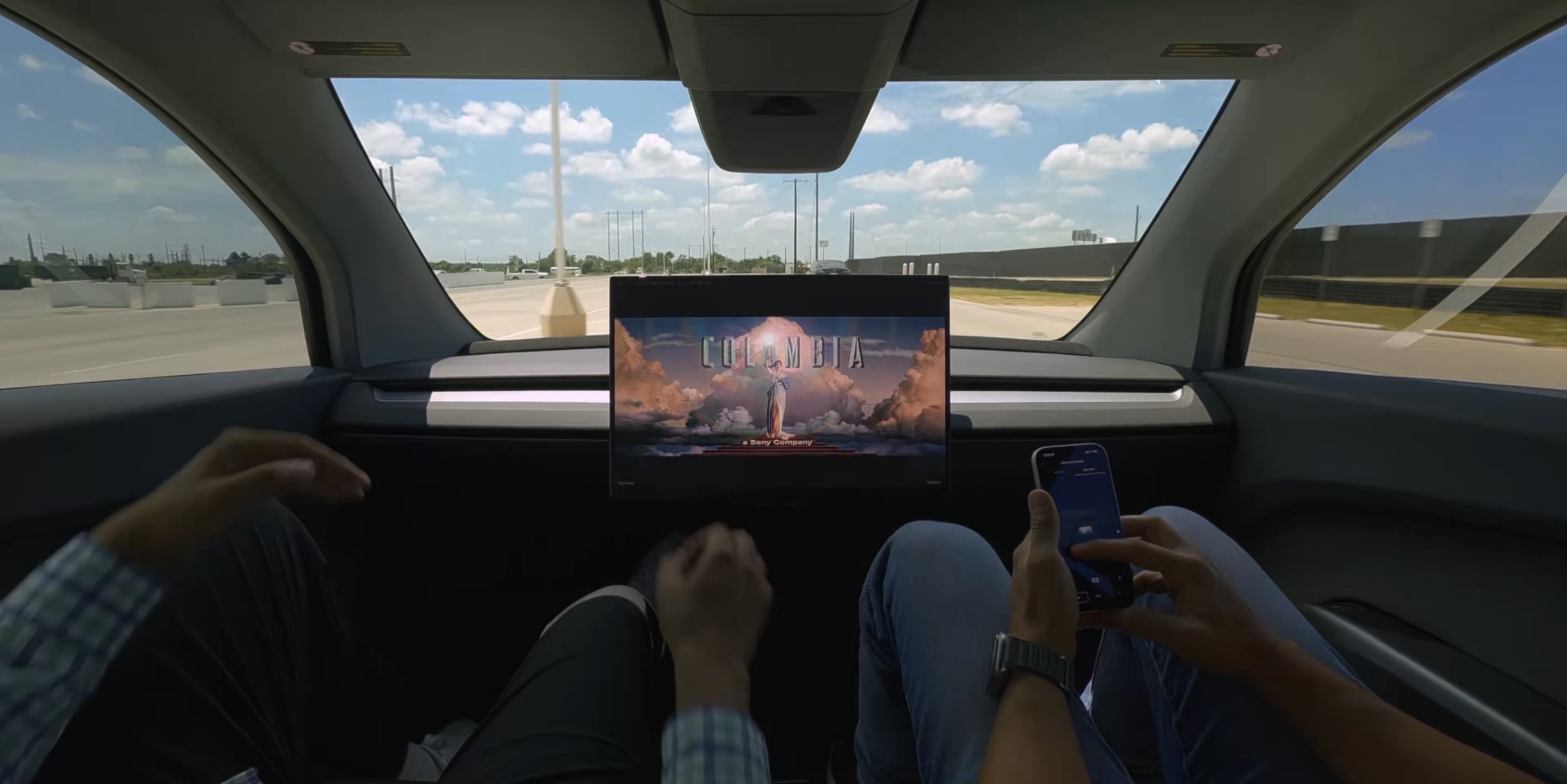
Tesla is planning a driverless version of the Model Y with room for six or seven people, Elon Musk said this week, giving families and groups an alternative to the two-seat Cybercab. Speaking remotely from China at the New York Times DealBook Summit on Wednesday, Musk said the vehicle would have no steering wheel or pedals. He did not give a launch date, price or production location.
The idea came up when Andrew Ross Sorkin asked whether Tesla would eventually stop selling conventional cars as it shifts Cybertruck capacity toward the Cybercab. Musk defended the two-seat design, saying average occupancy is about 1.2 people per car and that a two-seater covers roughly 90 percent of passenger miles. Bigger groups, he said, would be served by the larger autonomous Model Y.
Sorkin also mentioned he had ordered a Model Y L for his family and was still waiting on it. Musk called the six-seat, long-wheelbase SUV Tesla’s most popular car and suggested all Model Y production might need to move to the longer version. “It’s what most people seem to want,” Musk said, though he did not announce any change to Tesla’s production lines.
A driverless Model Y would add a third vehicle to Tesla’s autonomous lineup. Model Y Robotaxis already run 24 hours a day in eight cities, and Cybercab rides expanded to Dallas on Thursday after launching in Austin in September, as Teslarati reported. Tesla also began inviting select customers to buy a Cybercab for personal use last week at $29,990, with deliveries targeted for December.
Musk also addressed whether a Tesla and SpaceX merger should pay out under his compensation plan. Under the change in control terms of his 2025 CEO award, a deal could accelerate vesting, Electrek has noted. Musk said it should not. “I don’t think I should be compensated with any kind of award just for doing a merger. That would be unreasonable and not right,” he said. “You should keep your deals and stay true to your word.”
On the merger itself, Musk said the companies would “probably” be better together because of growing overlap in AI, chips and robotics, but stressed the decision rests with independent committees and shareholders, and that a Tesla vote “may or may not succeed.” Tesla holds its annual shareholder meeting on December 3, with merger talks reportedly progressing toward a possible announcement as soon as December.

Tesla Full Self-Driving v15 rollout begins: full release notes and improvements

Tesla Full Self-Driving v15 gets release date from Elon Musk


