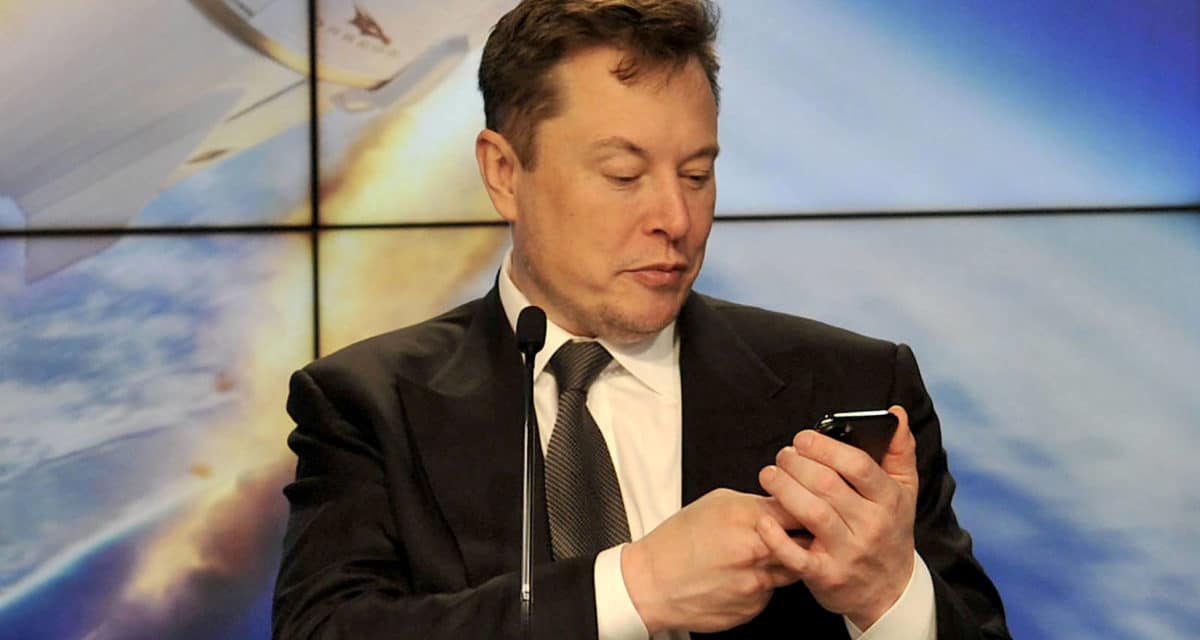

We are a month into 2021, and I wanted to switch things up a little bit and get away from the technical jargon of Tesla talk and move onto something a little lighter-hearted. Earlier this week, Tesla CEO Elon Musk announced that he was taking a break from Twitter, and it inspired me to write a piece that wasn’t so focused on automotive development or batteries, and instead on something that it reminded me of.
Now, before I begin, I realize Musk holds a lot more responsibilities than I do. He is the CEO of several companies, he has a large platform, he has hecklers and botherers of proportions I cannot (and don’t want to) begin to imagine. The guy is under a microscope with every move, and I think it is perfectly reasonable that he took a break from social media, even if it was only for a few days.
It reminded me of how last Summer, I decided to take a break from social media. The only thing I kept was Twitter, and it was only for work. I deleted Instagram, Snapchat, and Facebook, and I found it extremely refreshing. I decided that it was time to do a little bit of self-reflection, and instead of finding things through my phone for entertainment, I decided to do a slight dopamine detox and challenge myself to fight “boredom” in my spare time, and I found the effects to be very advantageous for my mental and physical health.
Off Twitter for a while
— Elon Musk (@elonmusk) February 2, 2021
As a 26-year-old, I am at the heart of social media. I can remember when MySpace was a thing in my high school years, I can reflect back on opening up my first Facebook account. I even have a few Twitter accounts that still exist from the early days when I was figuring out the platform. Now, I’m a bit older than I was then, but I have slowly found myself finding the toxicity of social media to be more evident than I have in previous years. It is full of hypocrisy, hatred, criticism, and false glamour that many people simply do not have the time for. While it is used by basically everyone on Earth with an internet connection, it doesn’t mean it is great to be on constantly, and I must think that Elon, the guy who probably has more mental strength than most people, even needs to take a break and focus on himself every once in a while.
With that being said, I think there are a plethora of things that really went through my head when he announced his short-lived break. First off, I know I never want to be in the position he is in. I think about the lack of privacy he must have, and also how his critic base is likely as large as his support system. Unfortunately, there are people who find him to be unappealing, which is something I just don’t understand. However, I do know that even as someone in a position with such wealth and power, he has to feel that sometimes, social media is simply too much for even him to handle.
This is a preview from our weekly newsletter. Each week I go ‘Beyond the News’ and handcraft a special edition that includes my thoughts on the biggest stories, why it matters, and how it could impact the future.
I tried to take this lesson to heart earlier this week, and I realized that it is important to take a step back from who we are in our professional lives, and simply be human every once in a while. Many of us are lost in the daily grind of our careers. I know that, personally, I find myself up at night wondering how I can be a better writer. How can I break that big story? How can I make Teslarati a better outlet for news than it already is? These are questions I think anyone who gives a damn would ask themselves, with respect to their own careers. It is the kind of mindset my parents instilled in me as a child: Hard work and dedication pays the bills. You can be whoever you want to be if you set your mind to it, and I always told myself that I would be a journalist eventually, I just didn’t know when. Luckily, I got the shot when I was 24, and I’ll never look back.
As we all live in a world full of the latest and greatest technology, many of the readers of this newsletter owning perhaps the greatest piece of technology in our world right now, it is hard to get away from what we all use and love. It is hard, and it is understandable to think about life without it. But when is the last time you took a step back from everything and examined your life and how you are living? Take a step back from your work, your connection to so many others through the internet, and examine your serenity and how you feel without it. It will probably be refreshing.
Many of us are not under the level of stress that a Tesla CEO feels, and many of us will never feel that stress. But it doesn’t mean you don’t deserve a break. It doesn’t mean that you don’t deserve to set your phone down for a few days and just be by yourself with your own thoughts.
The last few nights, I have been reading “As A Man Thinketh,” by James Allen, a book I read several times a year. A few lines of it really inspired me to write this newsletter, and I want to share those lines with you all. The lines reminded me of Elon’s reflection on the 2017 “production hell” episode of Model 3 manufacturing, and how the critics are still vocal and plentiful. While Elon admits there are times where buying a Tesla vehicle is not favorable to the consumer, he is still doing his best to solve these issues.
“The thoughtless, the ignorant, and the indolent, seeing only the apparent effects of things and not the things themselves, talk of luck, of fortune, and chance. Seeing a man grow rich, they say, ‘How lucky he is!’ Observing another become intellectual, they exclaim, ‘How highly favored he is!’ And noting the saintly character and wide influence of another, they remark, ‘How chance aids him at every turn!’ They do not see the trials and failures and struggles which these men have voluntarily encountered in order to gain their experience; they have no knowledge of the sacrifices they have made, of the undaunted efforts they have put forth, of the faith they have exercised, that they might overcome the apparently insurmountable, and realize the vision of their heart. They do not know the darkness and the heartaches; they only see the light and joy, and call it ‘luck.’ They do not see the long and arduous journey, but only behold the pleasant goal, and call it ‘good fortune,’ do not understand the process, but only perceive the result, and call it chance. In all human affairs there are efforts, and there are results, and the strength of the effort is the measure of the result. Chance is not. Gifts, powers, material, intellectual, and spiritual possessions are the fruits of effort; they are thoughts completed, objects accomplished, visions realized. The vision that you glorify in your mind, the ideal that you enthrone in your heart–this you will build your life by, this you will become.”
So with this, I want to say, grind while you can, but take breaks when the time is right. You have this one life, so don’t get lost in your work. Enjoy the good times. The work we put in brings us the fruits of life, but make sure that you take the time to enjoy those fruits.
They won’t be ripe forever.
A big thanks to our long-time supporters and new subscribers! Thank you.
I use this newsletter to share my thoughts on what is going on in the Tesla world. If you want to talk to me directly, you can email me or reach me on Twitter. I don’t bite, be sure to reach out!


Elon Musk
How to use Grok Bot to block spam calls and texts
Musk told users to ask Grok Bot to scrub their phone numbers from spam lists.

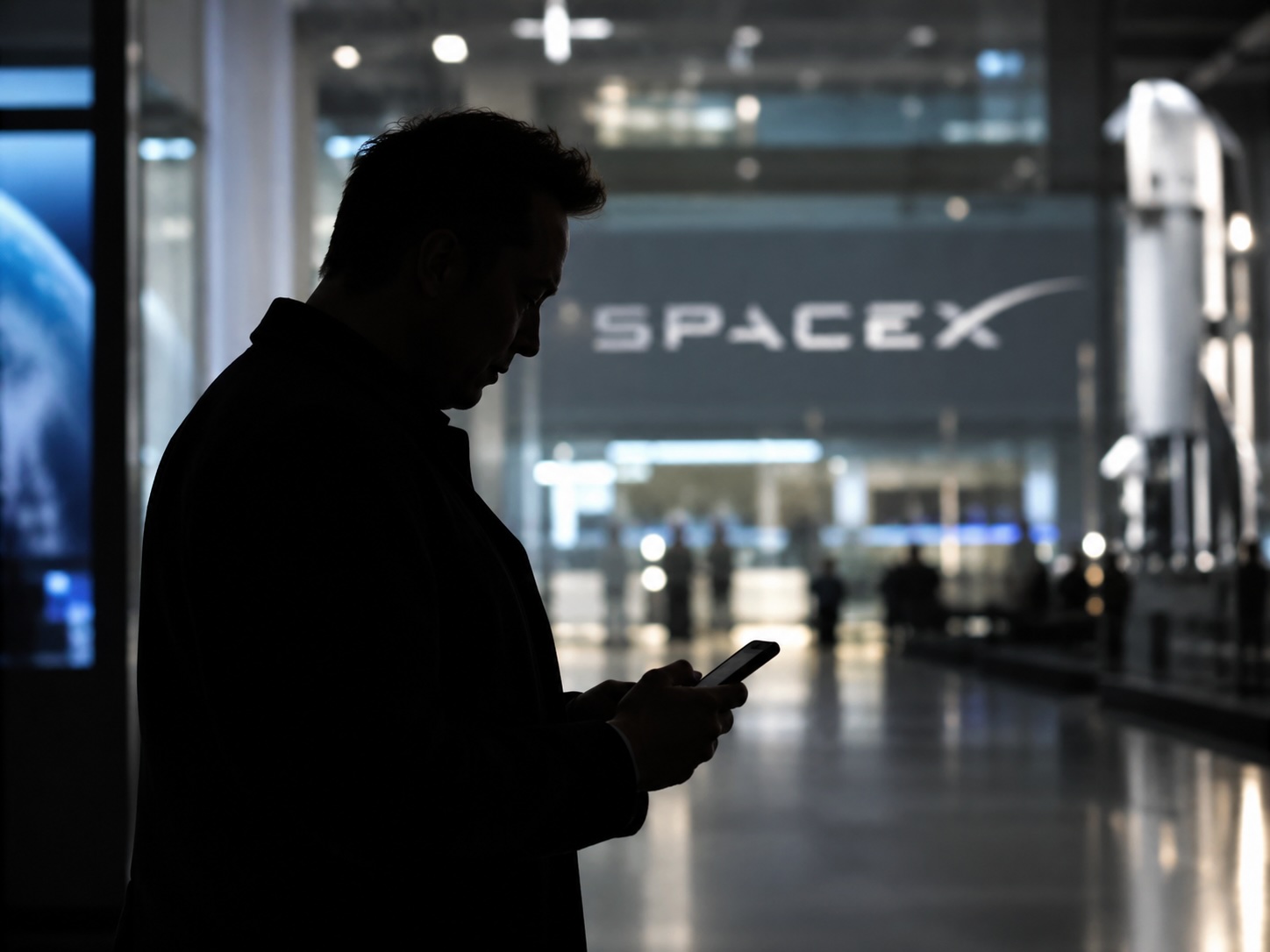
Elon Musk has a new use case for Grok Bot, and it is the spam call. On Thursday he replied to an X user named Arash with a short instruction: “Ask your @Grok @Bot to remove your phone number from spam call & text lists!” Arash had said he got tired of the calls, had an AI bot find his number on listing sites and file removal requests, and packaged the process as a free skill for others.
The skill is called Spam-Call Scrubber, which is described to find a phone number on people search sites and data brokers, submits the opt outs, completes the confirmation emails those sites send back, and rechecks on a schedule the user picks. Using it requires the Grok Bot app. The pitch is time saved, since most broker opt outs sit behind separate forms on separate sites.
Ask your @Grok @Bot to remove your phone number from spam call & text lists!
— Elon Musk (@elonmusk) October 15, 2026
Musk said Grok Bot now gives each bot its own email address, and that it can detect scam emails. On Thursday he also said SpaceX would make users whole if the bot botches a purchase or leaks a card, then told users to shop away from Amazon after the retailer blocked the agent, as Teslarati reported. The terms of service we reviewed at the time put responsibility for what an agent does on the user.
For Tesla owners, Grok Bot is not just a phone app. Tesla brought Grok Bot into its vehicles on September 22, and we argued earlier this week that the Cybercab’s real advantage may be the errands it runs during a ride. Every Cybercab and the rest of the Model Y Robotaxi fleet has it enabled. The more routine tasks like this one become, the more a rider has reason to hand over something personal in the back seat.
The new Spam-Call Scrubber skill can be downloaded for free and works on sites that honor removal requests, while noting that listings can reappear, and illegal robocallers do not check any registry. Whether Spam-Call Scrubber cuts anyone’s call volume is something the first wave of users will find out, and Musk’s endorsement guarantees that wave is coming.
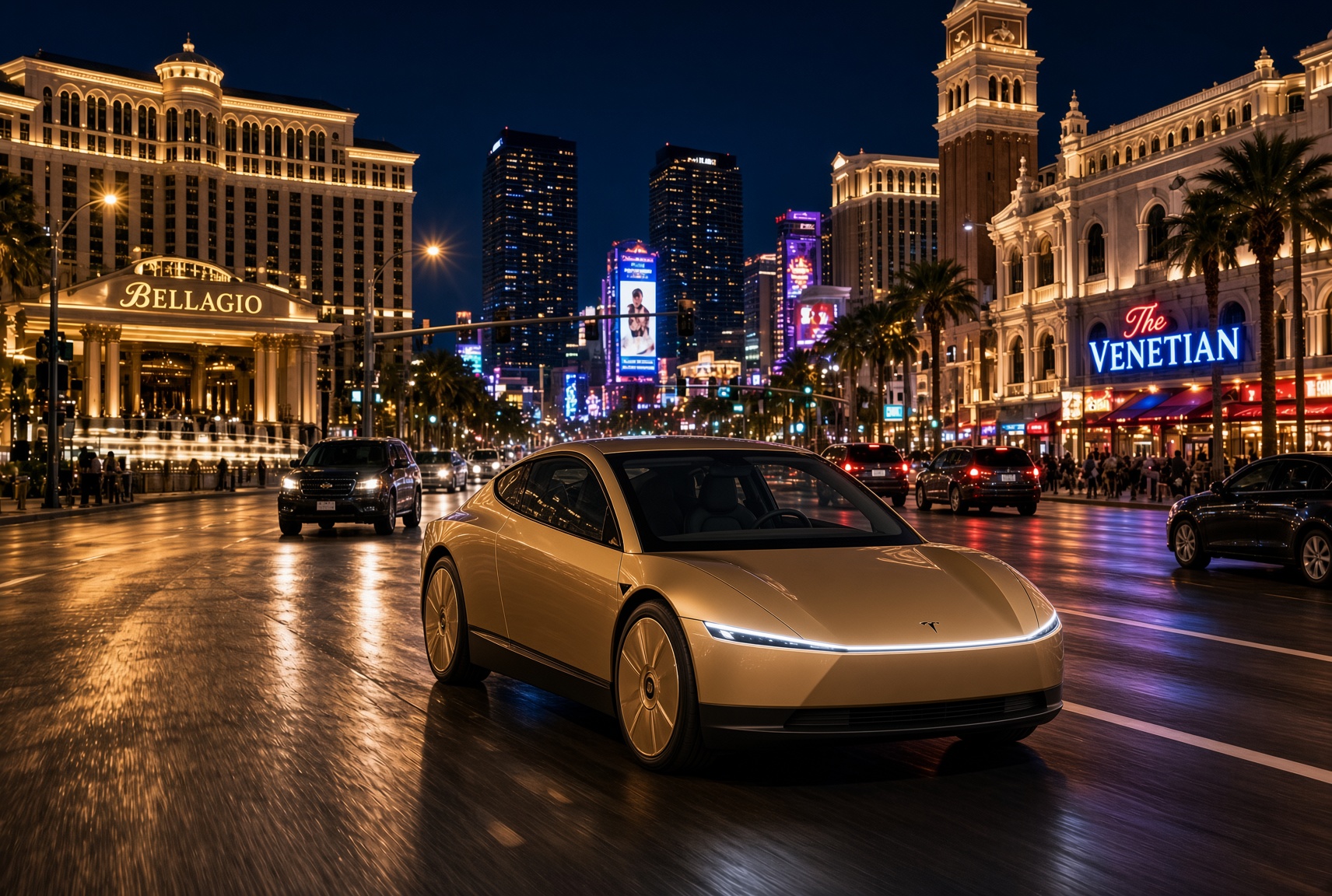
For a century, the car has asked the same thing of its owner, which is basically to pay attention. Even the best ride-hailing app like Uber or Lyft only moved the problem into someone else’s hands. You stopped driving, but you still sat in a stranger’s car, while half listening, and wondering whether to take a phone call in the car without being rude. The Cybercab has no wheel, no pedals and no driver. With Grok @bot now live inside it, it becomes something else entirely, and I think that matters more than the fleet count that everyone is tracking.
Grok @bot is an agent, not a voice assistant. A rider signs in once, and from then on can say what they need and watch it happen. Order dinner from a favorite restaurant. Fill the grocery cart. Move money, answer email, adjust a calendar, push a work project forward. Tesla engineer Yun-Ta Tsai confirmed it is enabled across every Cybercab and the rest of the Model Y fleet, and Tesla’s own pitch is that Full Self-Driving handles the commute while Grok handles the errands.
Think about what that does to a thirty minute ride. Uber sells you a trip, while Waymo sells you the same trip in a more private setting. Tesla is selling the thirty minutes themselves, returned to you with an assistant attached. Errands that used to eat a Saturday get done between pickup and drop off. The ride stops being dead time between two places and becomes a place of its own.
Tesla integrates Grok Bot into its vehicles for the ultimate personal assistant
Best of all, your Bots follow you into any Cybercab, and presumably your own Tesla, then logs you out automatically when you step out. Anyone can bolt a chatbot onto a screen, but much harder to own the vehicle, the autonomy stack and the assistant at once. It also quietly ties SpaceX’s Super Intelligence business to Tesla’s fleet, after Tesla converted its xAI stake into SpaceX equity. The relationship between those two companies is getting harder to describe as separate.
This is also where the hard questions start, because an agent that can spend your money in a vehicle other people also ride in needs some answers. How does it handle a voice it shouldn’t trust? What gets recorded, who can see it, and for how long? What happens when a rider leaves halfway through a task?
If Tesla gets those answers right, the scoreboard changes. We have been counting Cybercabs and wait times. The more telling number may be what riders accomplish per trip. That is data almost no one else will ever have, and it is the real reason to watch Grok @bot.
What do you think? Leave me a comment.
Lifestyle
Tesla’s mirrorless Cybercab will give riders a visibility upgrade
Tesla engineer confirms Cybercab update letting riders pull up rear and repeater cameras on demand.
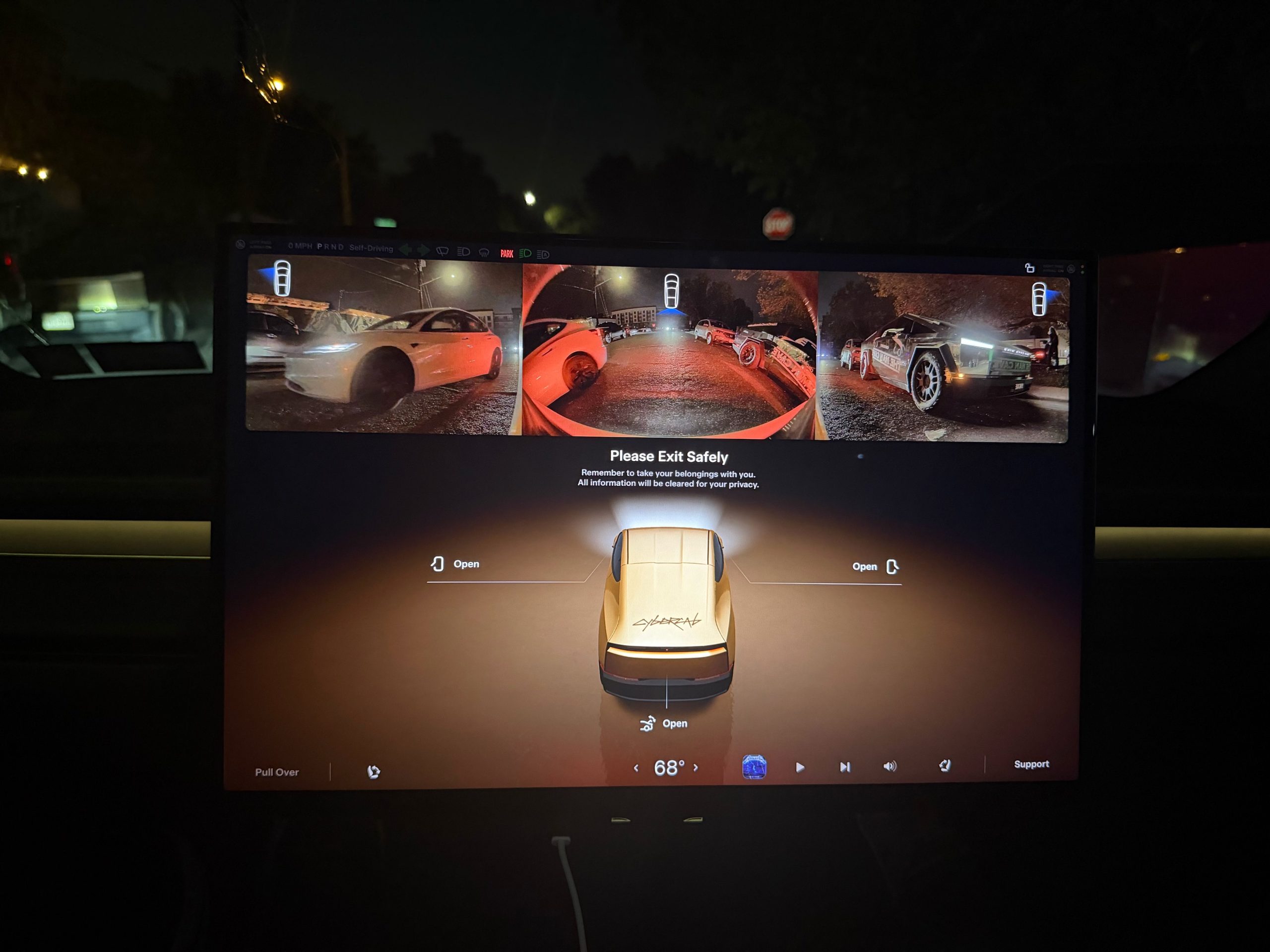
Tesla is working on a Cybercab update that would let passengers pull up the vehicle’s rear and side cameras on demand, and the request came straight from a rider.
The exchange played out on X late Friday. Cybercab rider Dan Burkland shared photos of the two-seater’s cabin screen after an evening ride, praised the UI team’s work, and left one request: let riders open the rear and repeater cameras whenever they want, “especially for peace of mind.” Tesla UI software engineer Evan (@CarCoder) answered with two words: “In development.”
The Tesla UI team absolutely crushed it with the infotainment software. Nicely done @CarCoder!
One feature request: Allow folks to pull up the rear & repeater cameras on demand. This would be great especially for peace of mind. https://t.co/mNAOSLx6pE
— Dan Burkland (@DBurkland) October 10, 2026
The idea fits a pattern Teslarati has tracked since public rides began. Days after paid Cybercab service opened in Austin, Tesla sent riders a survey that asked them to rate the touchscreen, the app and the cabin, and to pick the features they wanted most. We reported on that survey in September, and a camera view is the kind of small software change Tesla can push quickly if riders keep asking.
It also speaks to something unique about the vehicle. With no steering wheel, no pedals and no driver, passengers have no mirror to check and no way to see behind them. The hardware is clearly built for camera awareness, from the repeater cameras to the rear camera. Letting a passenger look through those same cameras would give a nervous first time rider a way to confirm what is around the car.
The timing matters because the fleet is growing fast. Tesla’s Robotaxi account said on Saturday that more than 300 Cybercabs are now serving Austin, an eightfold increase in 30 days, and Tesla AI chief Ashok Elluswamy named Dallas as the next city. More cars and more cities mean more people riding in a driverless vehicle for the first time, which is exactly when small trust features carry weight.
For now, the feature is confirmed only as in development. If Tesla follows its usual pattern with Cybercab software, riders could see it appear in a point release without any announcement, and Teslarati will watch for it.

How to use Grok Bot to block spam calls and texts

Tesla’s flying Roadster just revealed something bigger than the car

How Tesla’s Roadster fan system and thrusters are built to dominate the corners

SpaceX reveals how its 1 Million AI satellite network will work and prevent space collisions

Elon Musk’s Boring Company lands a new Middle East deal, and Nashville is about to get faster


