
Investor's Corner
Tesla bull ARK drops 242,000 shares of $TSLA to make way for $COIN

Tesla (NASDAQ: TSLA) has many notable bullish analysts and firms that have been hardcore believers in the electric automaker’s surge toward legendary investment status. Yesterday, however, one of Tesla’s largest supporters, ARK Invest, dropped over 242,000 shares of the electric automaker’s stock following a few strong days on the market. The move seemed to be a strategy for more growth through another company, Coinbase, a publicly traded stock as of April 14th.
According to ARK’s Daily Trade Information, a publicly available email that can be obtained through the firm’s website, the firm decided to sell 242,755 shares of TSLA stock on April 14th, the day of the COIN IPO. 185,712 came from the ARKK – Innovation EFT, while 57,043 came from the ARKW – Next Generation Internet ETF. The value of the shares sold was around $718 million. Making room in its heavily concentrated TSLA portfolio, ARK purchased 749,205 shares of COIN yesterday, 147,081 going to the ARKW ETF, 512,535 in ARKK, and 89,589 to ARKF – Fintech Innovation.
Credit: ARK Invest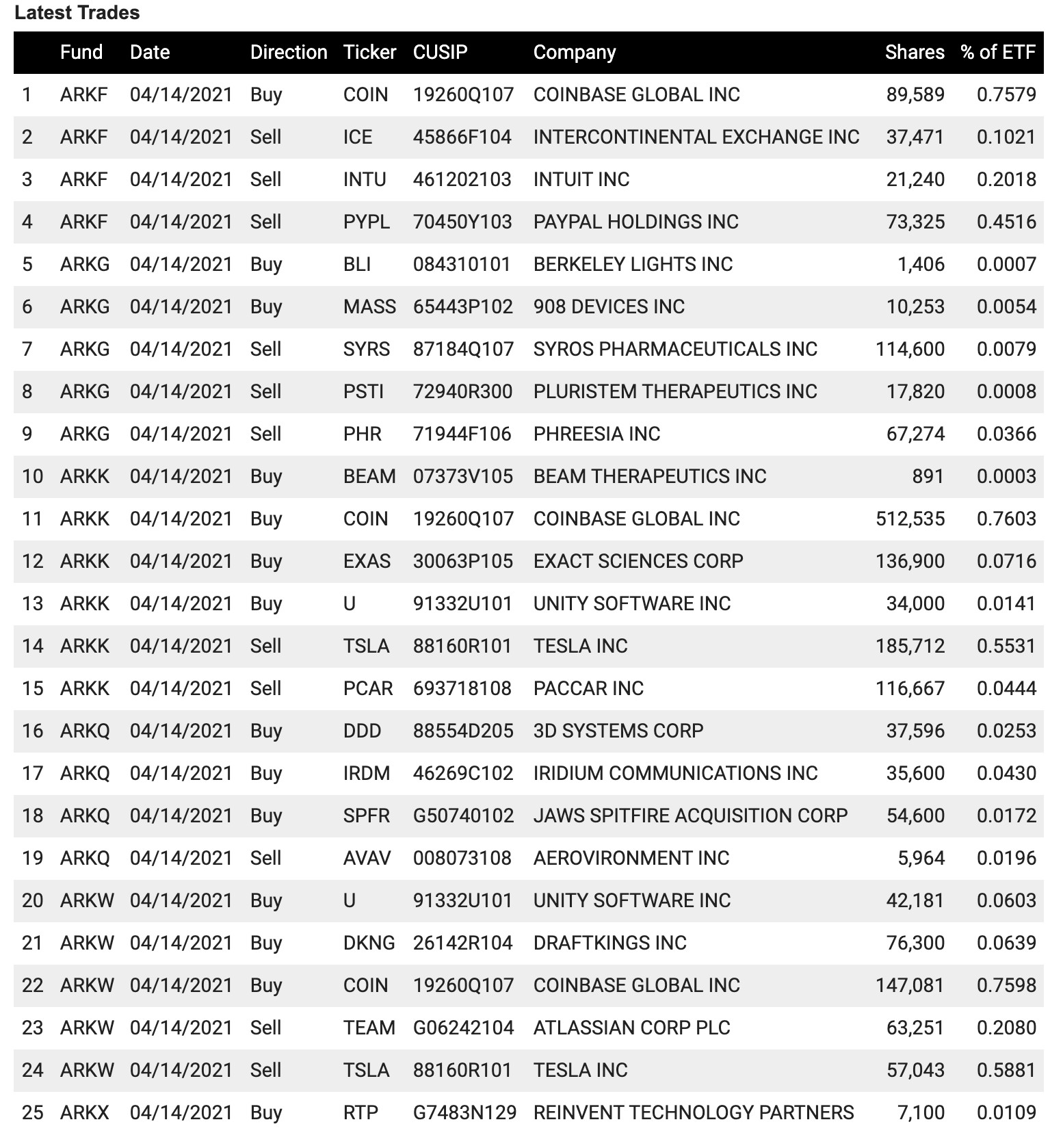
Tesla still remains the largest concentrated stock of the ARKK and ARKW ETFs, maintaining 10.93 and 10.85% of each ETF, respectively. The move has been made in the past by ARK to open up playability with other holdings, a move that is understandable in the grand scheme of investing. A portfolio should never be too heavily concentrated with a specific stock, and ARK has made these types of trades several times in the past to increase diversification.
Other firms that are heavily bullish on TSLA, like Baron Capital and Baillie Gifford, have also trimmed their holdings of the electric automaker’s stock in the past. Despite owning billions in TSLA stock, these funds ultimately made these decisions due to enforced stake reductions to eliminate excessive concentration within their portfolios. Baron commented on his firm’s move that occurred in March, where his fund sold 1.7 million of around 8 million shares.
“It became a very large percentage of some accounts,” Baron said. His personal fund remains untouched. “I happen to own 1,115,000 shares personally. I haven’t sold a single share, and I don’t expect to for ten years.”
COIN shares were up 11% in premarket Thursday morning and is currently trading at $336.38. The stock opened at $381 per share yesterday and went to as high as $429.54 before cooling off.
It should be mentioned that ARK’s sale of TSLA stock yesterday is not a change of heart by the firm. ARK recently revised its price target to $3,000 for 2025 based on Tesla’s Robotaxi fleet, Autonomous driving projects, and the expected growth of the in-house insurance initiative the automaker launched in 2019. “Last year, ARK estimated that in 2024 Tesla’s share price would hit $7,000 per share or $1,400 adjusted for its five for one stock split. Based on our updated research, we now estimate that it could approach $3,000 in 2025.”
Disclosure: Joey Klender is a TSLA Shareholder.





Investor's Corner
Cantor Fitzgerald maintains Tesla (TSLA) ‘Overweight’ rating amid Q2 2025 deliveries
Cantor Fitzgerald is holding firm on its bullish stance for the electric vehicle maker.

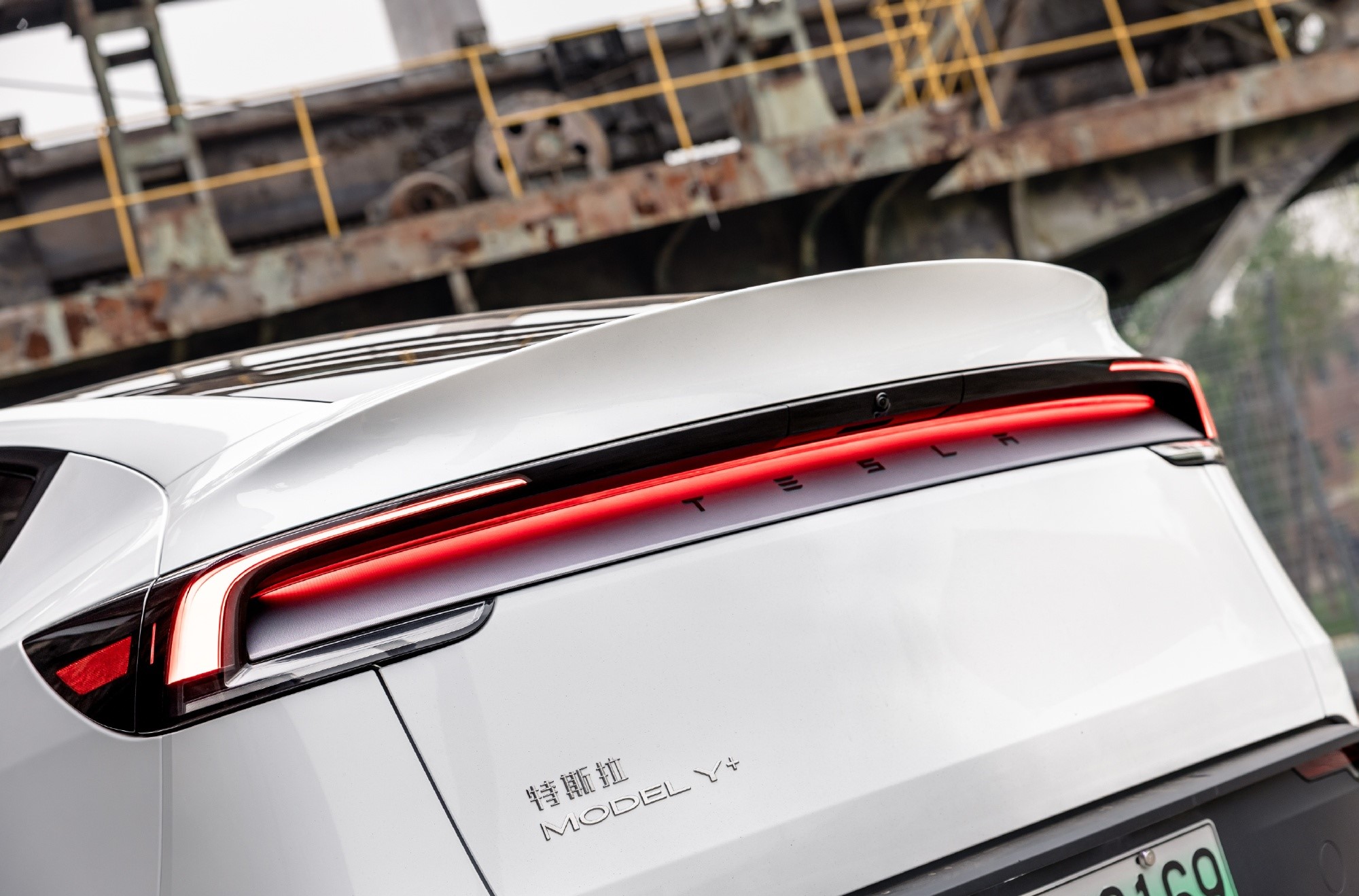
Cantor Fitzgerald is holding firm on its bullish stance for Tesla (NASDAQ: TSLA), reiterating its “Overweight” rating and $355 price target amidst the company’s release of its Q2 2025 vehicle delivery and production report.
Tesla delivered 384,122 vehicles in Q2 2025, falling below last year’s Q2 figure of 443,956 units. Despite softer demand in some countries in Europe and ongoing controversies surrounding CEO Elon Musk, the firm maintained its view that Tesla is a long-term growth story in the EV sector.
Tesla’s Q2 results
Among the 384,122 vehicles that Tesla delivered in the second quarter, 373,728 were Model 3 and Model Y. The remaining 10,394 units were attributed to the Model S, Model X, and Cybertruck. Production was largely flat year-over-year at 410,244 units.
In the energy division, Tesla deployed 9.6 GWh of energy storage in Q2, which was above last year’s 9.4 GWh. Overall, Tesla continues to hold a strong position with $95.7 billion in trailing twelve-month revenue and a 17.7% gross margin, as noted in a report from Investing.com.
Tesla’s stock is still volatile
Tesla’s market cap fell to $941 billion on Monday amid volatility that was likely caused in no small part by CEO Elon Musk’s political posts on X over the weekend. Musk has announced that he is forming the America Party to serve as a third option for voters in the United States, a decision that has earned the ire of U.S. President Donald Trump.
Despite Musk’s controversial nature, some analysts remain bullish on TSLA stock. Apart from Cantor Fitzgerald, Canaccord Genuity also reiterated its “Buy” rating on Tesla shares, with the firm highlighting the company’s positive Q2 vehicle deliveries, which exceeded its expectations by 24,000 units. Cannacord also noted that Tesla remains strong in several markets despite its year-over-year decline in deliveries.
A Tesla analyst today said that investors should not lose sight of what is truly important in the grand scheme of being a shareholder, and that any near-term drama between CEO Elon Musk and U.S. President Donald Trump should not outshine the progress made by the company.
Gene Munster of Deepwater Management said that Tesla’s progress in autonomy is a much larger influence and a significantly bigger part of the company’s story than any disagreement between political policies.
Munster appeared on CNBC‘s “Closing Bell” yesterday to reiterate this point:
“One thing that is critical for Tesla investors to remember is that what’s going on with the business, with autonomy, the progress that they’re making, albeit early, is much bigger than any feud that is going to happen week-to-week between the President and Elon. So, I understand the reaction, but ultimately, I think that cooler heads will prevail. If they don’t, autonomy is still coming, one way or the other.”
BREAKING: GENE MUNSTER SAYS — $TSLA AUTONOMY IS “MUCH BIGGER” THAN ANY FEUD 👀
He says robotaxis are coming regardless ! pic.twitter.com/ytpPcwUTFy
— TheSonOfWalkley (@TheSonOfWalkley) July 2, 2025
This is a point that other analysts like Dan Ives of Wedbush and Cathie Wood of ARK Invest also made yesterday.
On two occasions over the past month, Musk and President Trump have gotten involved in a very public disagreement over the “Big Beautiful Bill,” which officially passed through the Senate yesterday and is making its way to the House of Representatives.
Musk is upset with the spending in the bill, while President Trump continues to reiterate that the Tesla CEO is only frustrated with the removal of an “EV mandate,” which does not exist federally, nor is it something Musk has expressed any frustration with.
In fact, Musk has pushed back against keeping federal subsidies for EVs, as long as gas and oil subsidies are also removed.
Nevertheless, Ives and Wood both said yesterday that they believe the political hardship between Musk and President Trump will pass because both realize the world is a better place with them on the same team.
Munster’s perspective is that, even though Musk’s feud with President Trump could apply near-term pressure to the stock, the company’s progress in autonomy is an indication that, in the long term, Tesla is set up to succeed.
Tesla launched its Robotaxi platform in Austin on June 22 and is expanding access to more members of the public. Austin residents are now reporting that they have been invited to join the program.
Elon Musk
Tesla surges following better-than-expected delivery report
Tesla saw some positive momentum during trading hours as it reported its deliveries for Q2.
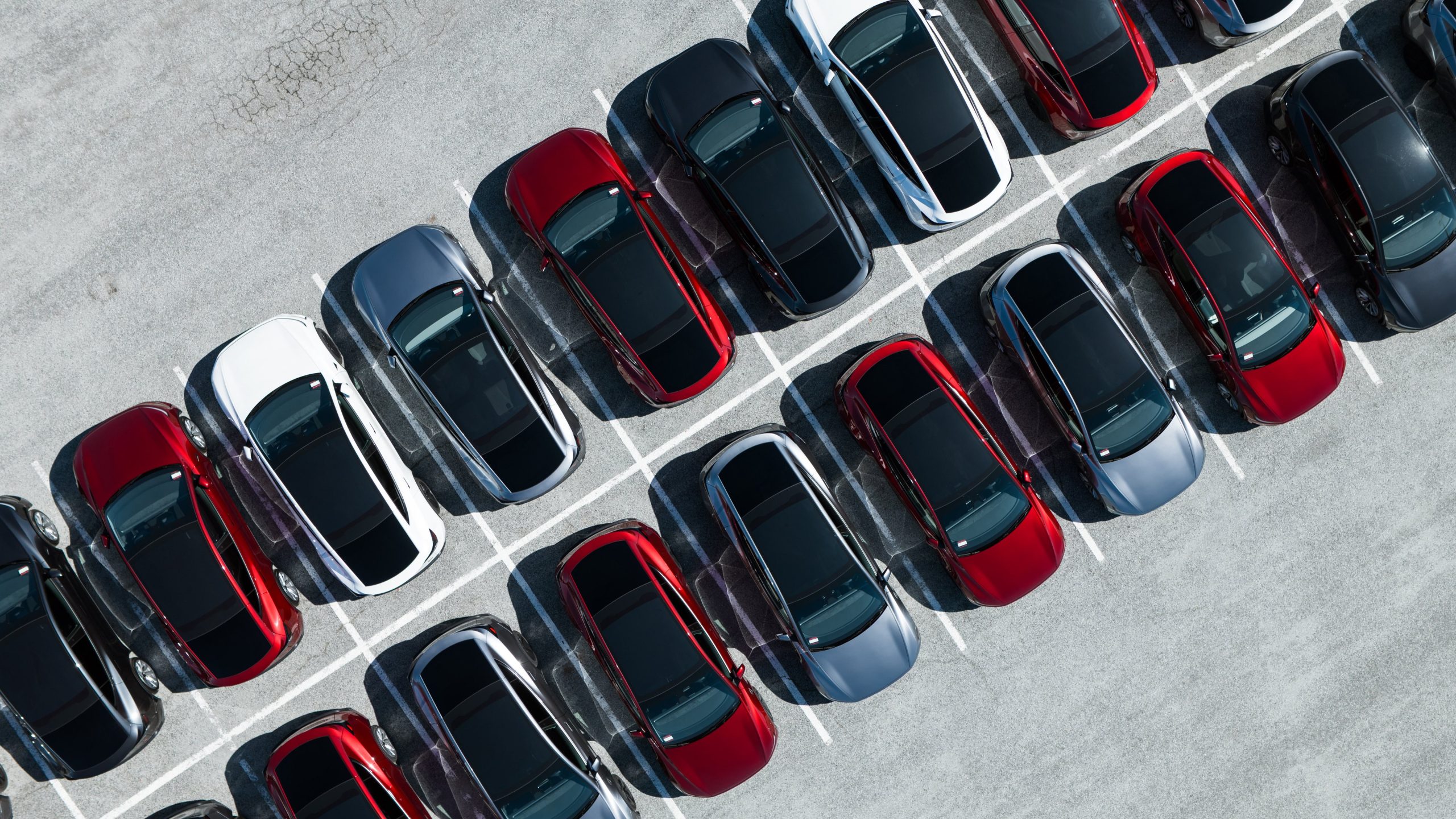
Tesla (NASDAQ: TSLA) surged over four percent on Wednesday morning after the company reported better-than-expected deliveries. It was nearly right on consensus estimations, as Wall Street predicted the company would deliver 385,000 cars in Q2.
Tesla reported that it delivered 384,122 vehicles in Q2. Many, including those inside the Tesla community, were anticipating deliveries in the 340,000 to 360,000 range, while Wall Street seemed to get it just right.
Tesla delivers 384,000 vehicles in Q2 2025, deploys 9.6 GWh in energy storage
Despite Tesla meeting consensus estimations, there were real concerns about what the company would report for Q2.
There were reportedly brief pauses in production at Gigafactory Texas during the quarter and the ramp of the new Model Y configuration across the globe were expected to provide headwinds for the EV maker during the quarter.
At noon on the East Coast, Tesla shares were up about 4.5 percent.
It is expected that Tesla will likely equal the number of deliveries it completed in both of the past two years.
It has hovered at the 1.8 million mark since 2023, and it seems it is right on pace to match that once again. Early last year, Tesla said that annual growth would be “notably lower” than expected due to its development of a new vehicle platform, which will enable more affordable models to be offered to the public.
These cars are expected to be unveiled at some point this year, as Tesla said they were “on track” to be produced in the first half of the year. Tesla has yet to unveil these vehicle designs to the public.
Dan Ives of Wedbush said in a note to investors this morning that the company’s rebound in China in June reflects good things to come, especially given the Model Y and its ramp across the world.
He also said that Musk’s commitment to the company and return from politics played a major role in the company’s performance in Q2:
“If Musk continues to lead and remain in the driver’s seat, we believe Tesla is on a path to an accelerated growth path over the coming years with deliveries expected to ramp in the back-half of 2025 following the Model Y refresh cycle.”
Ives maintained his $500 price target and the ‘Outperform’ rating he held on the stock:
“Tesla’s future is in many ways the brightest it’s ever been in our view given autonomous, FSD, robotics, and many other technology innovations now on the horizon with 90% of the valuation being driven by autonomous and robotics over the coming years but Musk needs to focus on driving Tesla and not putting his political views first. We maintain our OUTPERFORM and $500 PT.”
Moving forward, investors will look to see some gradual growth over the next few quarters. At worst, Tesla should look to match 2023 and 2024 full-year delivery figures, which could be beaten if the automaker can offer those affordable models by the end of the year.

Tesla opens massive solar Supercharger station in California

Tesla driver walks away from major accident with minor injuries

Cantor Fitzgerald maintains Tesla (TSLA) ‘Overweight’ rating amid Q2 2025 deliveries


-
 Elon Musk1 week ago
Tesla investors will be shocked by Jim Cramer’s latest assessment
-
 News2 weeks ago
Tesla Robotaxi’s biggest challenge seems to be this one thing
-
 News2 weeks ago
Watch the first true Tesla Robotaxi intervention by safety monitor
-
 Elon Musk1 week ago
A Tesla just delivered itself to a customer autonomously, Elon Musk confirms
-
 News2 weeks ago
Tesla Robotaxi rollout proves that Elon Musk still delivers, even if it’s late
-
 Elon Musk2 weeks ago
Elon Musk confirms Tesla Optimus V3 already uses Grok voice AI
-
 Elon Musk2 weeks ago
xAI welcomes Memphis pollution results, environmental groups push back
-
 Elon Musk2 weeks ago
Elon Musk commends Tesla team on successful Robotaxi launch