
News
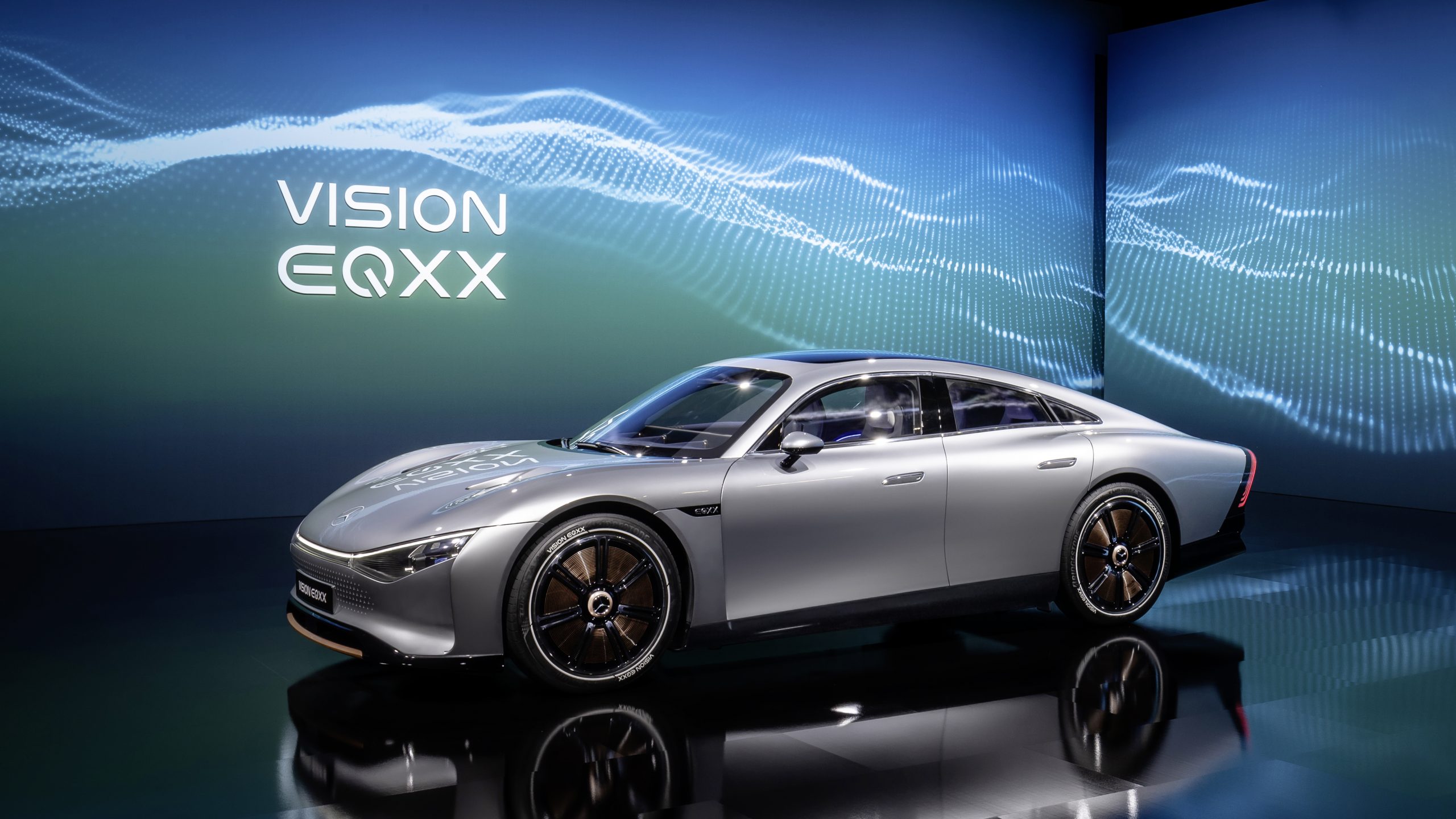
Mercedes-Benz VISION EQXX has considerably more range than any EV offered currently

German automaker Mercedes-Benz unveiled an electric car with 620 miles, or 1,000 kilometers, of range on Monday. The VISION EQXX has the potential to revolutionize electric vehicle road trips and overall adoption, offering considerably more range than any other EV on the market.
While the current projections for range are extending far past any electrified model currently offered by any company on the market, the figures were obtained by using internal digital simulations or real-life traffic conditions.
“The technology program behind the VISION EQXX will define and enable future Mercedes-Benz models and features,” Markus Schäfer, Member of the Board of Management of Daimler AG and Mercedes-Benz AG, Chief Technology Officer responsible for Development and Procurement, said. “As a halo car, the VISION EQXX firmly establishes Mercedes-Benz as the brand that pairs luxury with technology in the automotive world and beyond. And the way we developed it is as revolutionary as the vehicle itself. VISION EQXX has seen the best minds from our R&D centers work together with engineers from our Formula 1 and Formula E programs. They are proving that innovations from motorsport – where powertrains are already highly electrified – have immediate relevance for road car development. We are challenging current development processes with innovative spirit and outside-the-box thinking. This truly is the way forward.”
There is a lot to unpack in Mercedes’ lengthy press release, which features all of the fine points of the vehicle. However, the vehicle has lofty and somewhat groundbreaking expectations, even for a company that has as much story and tradition as Mercedes-Benz does. Executives have no issues looking at it as something that will undoubtedly be on the roads in the future. “All the elements that we see in this car will make it into series production,” Schäfer added.
-
- Der VISION EQXX zeigt, wie sich Mercedes-Benz die Zukunft des Elektroautos vorstellt. Das Auto hat eine Reichweite von mehr als 1.000 Kilometern und einen Energieverbrauch von weniger als 10 kWh pro 100 Kilometer. Der VISION EQXX steht für neue Maßstäbe hinsichtlich Energieeffizienz und Reichweite im realen Straßenverkehr sowie für die revolutionäre Entwicklung von Elektroautos. // The VISION EQXX is how Mercedes-Benz imagines the future of electric cars. The car has a range of more than 1,000 kilometres with an outstanding energy consumption of less than 10 kWh per 100 kilometres. The VISION EQXX stands for major new advances: it sets new standards in terms of energy efficiency and range in real-life traffic, and revolutionises the development of electric cars.
-
- Der VISION EQXX zeigt, wie sich Mercedes-Benz die Zukunft des Elektroautos vorstellt. Das Auto hat eine Reichweite von mehr als 1.000 Kilometern und einen Energieverbrauch von weniger als 10 kWh pro 100 Kilometer. Der VISION EQXX steht für neue Maßstäbe hinsichtlich Energieeffizienz und Reichweite im realen Straßenverkehr sowie für die revolutionäre Entwicklung von Elektroautos. // The VISION EQXX is how Mercedes-Benz imagines the future of electric cars. The car has a range of more than 1,000 kilometres with an outstanding energy consumption of less than 10 kWh per 100 kilometres. The VISION EQXX stands for major new advances: it sets new standards in terms of energy efficiency and range in real-life traffic, and revolutionises the development of electric cars.
-
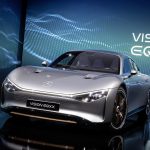
- Der VISION EQXX zeigt, wie sich Mercedes-Benz die Zukunft des Elektroautos vorstellt. Das Auto hat eine Reichweite von mehr als 1.000 Kilometern und einen Energieverbrauch von weniger als 10 kWh pro 100 Kilometer. Der VISION EQXX steht für neue Maßstäbe hinsichtlich Energieeffizienz und Reichweite im realen Straßenverkehr sowie für die revolutionäre Entwicklung von Elektroautos. // The VISION EQXX is how Mercedes-Benz imagines the future of electric cars. The car has a range of more than 1,000 kilometres with an outstanding energy consumption of less than 10 kWh per 100 kilometres. The VISION EQXX stands for major new advances: it sets new standards in terms of energy efficiency and range in real-life traffic, and revolutionises the development of electric cars.
-
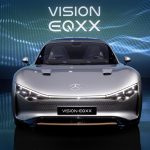
- Der VISION EQXX zeigt, wie sich Mercedes-Benz die Zukunft des Elektroautos vorstellt. Das Auto hat eine Reichweite von mehr als 1.000 Kilometern und einen Energieverbrauch von weniger als 10 kWh pro 100 Kilometer. Der VISION EQXX steht für neue Maßstäbe hinsichtlich Energieeffizienz und Reichweite im realen Straßenverkehr sowie für die revolutionäre Entwicklung von Elektroautos. // The VISION EQXX is how Mercedes-Benz imagines the future of electric cars. The car has a range of more than 1,000 kilometres with an outstanding energy consumption of less than 10 kWh per 100 kilometres. The VISION EQXX stands for major new advances: it sets new standards in terms of energy efficiency and range in real-life traffic, and revolutionises the development of electric cars.
-
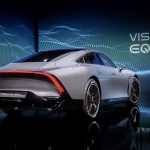
- Der VISION EQXX zeigt, wie sich Mercedes-Benz die Zukunft des Elektroautos vorstellt. Das Auto hat eine Reichweite von mehr als 1.000 Kilometern und einen Energieverbrauch von weniger als 10 kWh pro 100 Kilometer. Der VISION EQXX steht für neue Maßstäbe hinsichtlich Energieeffizienz und Reichweite im realen Straßenverkehr sowie für die revolutionäre Entwicklung von Elektroautos. // The VISION EQXX is how Mercedes-Benz imagines the future of electric cars. The car has a range of more than 1,000 kilometres with an outstanding energy consumption of less than 10 kWh per 100 kilometres. The VISION EQXX stands for major new advances: it sets new standards in terms of energy efficiency and range in real-life traffic, and revolutionises the development of electric cars.
-
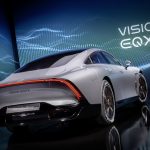
- Der VISION EQXX zeigt, wie sich Mercedes-Benz die Zukunft des Elektroautos vorstellt. Das Auto hat eine Reichweite von mehr als 1.000 Kilometern und einen Energieverbrauch von weniger als 10 kWh pro 100 Kilometer. Der VISION EQXX steht für neue Maßstäbe hinsichtlich Energieeffizienz und Reichweite im realen Straßenverkehr sowie für die revolutionäre Entwicklung von Elektroautos. // The VISION EQXX is how Mercedes-Benz imagines the future of electric cars. The car has a range of more than 1,000 kilometres with an outstanding energy consumption of less than 10 kWh per 100 kilometres. The VISION EQXX stands for major new advances: it sets new standards in terms of energy efficiency and range in real-life traffic, and revolutionises the development of electric cars.
-
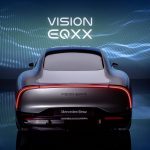
- Der VISION EQXX zeigt, wie sich Mercedes-Benz die Zukunft des Elektroautos vorstellt. Das Auto hat eine Reichweite von mehr als 1.000 Kilometern und einen Energieverbrauch von weniger als 10 kWh pro 100 Kilometer. Der VISION EQXX steht für neue Maßstäbe hinsichtlich Energieeffizienz und Reichweite im realen Straßenverkehr sowie für die revolutionäre Entwicklung von Elektroautos. // The VISION EQXX is how Mercedes-Benz imagines the future of electric cars. The car has a range of more than 1,000 kilometres with an outstanding energy consumption of less than 10 kWh per 100 kilometres. The VISION EQXX stands for major new advances: it sets new standards in terms of energy efficiency and range in real-life traffic, and revolutionises the development of electric cars.
-
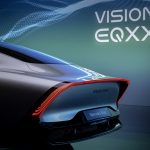
- Der VISION EQXX zeigt, wie sich Mercedes-Benz die Zukunft des Elektroautos vorstellt. Das Auto hat eine Reichweite von mehr als 1.000 Kilometern und einen Energieverbrauch von weniger als 10 kWh pro 100 Kilometer. Der VISION EQXX steht für neue Maßstäbe hinsichtlich Energieeffizienz und Reichweite im realen Straßenverkehr sowie für die revolutionäre Entwicklung von Elektroautos. // The VISION EQXX is how Mercedes-Benz imagines the future of electric cars. The car has a range of more than 1,000 kilometres with an outstanding energy consumption of less than 10 kWh per 100 kilometres. The VISION EQXX stands for major new advances: it sets new standards in terms of energy efficiency and range in real-life traffic, and revolutionises the development of electric cars.
-
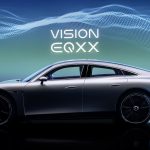
- Der VISION EQXX zeigt, wie sich Mercedes-Benz die Zukunft des Elektroautos vorstellt. Das Auto hat eine Reichweite von mehr als 1.000 Kilometern und einen Energieverbrauch von weniger als 10 kWh pro 100 Kilometer. Der VISION EQXX steht für neue Maßstäbe hinsichtlich Energieeffizienz und Reichweite im realen Straßenverkehr sowie für die revolutionäre Entwicklung von Elektroautos. // The VISION EQXX is how Mercedes-Benz imagines the future of electric cars. The car has a range of more than 1,000 kilometres with an outstanding energy consumption of less than 10 kWh per 100 kilometres. The VISION EQXX stands for major new advances: it sets new standards in terms of energy efficiency and range in real-life traffic, and revolutionises the development of electric cars.
-
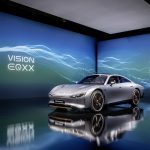
- Der VISION EQXX zeigt, wie sich Mercedes-Benz die Zukunft des Elektroautos vorstellt. Das Auto hat eine Reichweite von mehr als 1.000 Kilometern und einen Energieverbrauch von weniger als 10 kWh pro 100 Kilometer. Der VISION EQXX steht für neue Maßstäbe hinsichtlich Energieeffizienz und Reichweite im realen Straßenverkehr sowie für die revolutionäre Entwicklung von Elektroautos. // The VISION EQXX is how Mercedes-Benz imagines the future of electric cars. The car has a range of more than 1,000 kilometres with an outstanding energy consumption of less than 10 kWh per 100 kilometres. The VISION EQXX stands for major new advances: it sets new standards in terms of energy efficiency and range in real-life traffic, and revolutionises the development of electric cars.
-
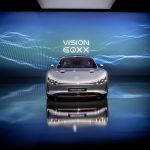
- Der VISION EQXX zeigt, wie sich Mercedes-Benz die Zukunft des Elektroautos vorstellt. Das Auto hat eine Reichweite von mehr als 1.000 Kilometern und einen Energieverbrauch von weniger als 10 kWh pro 100 Kilometer. Der VISION EQXX steht für neue Maßstäbe hinsichtlich Energieeffizienz und Reichweite im realen Straßenverkehr sowie für die revolutionäre Entwicklung von Elektroautos. // The VISION EQXX is how Mercedes-Benz imagines the future of electric cars. The car has a range of more than 1,000 kilometres with an outstanding energy consumption of less than 10 kWh per 100 kilometres. The VISION EQXX stands for major new advances: it sets new standards in terms of energy efficiency and range in real-life traffic, and revolutionises the development of electric cars.
-
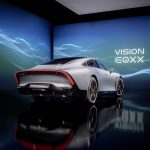
- Der VISION EQXX zeigt, wie sich Mercedes-Benz die Zukunft des Elektroautos vorstellt. Das Auto hat eine Reichweite von mehr als 1.000 Kilometern und einen Energieverbrauch von weniger als 10 kWh pro 100 Kilometer. Der VISION EQXX steht für neue Maßstäbe hinsichtlich Energieeffizienz und Reichweite im realen Straßenverkehr sowie für die revolutionäre Entwicklung von Elektroautos. // The VISION EQXX is how Mercedes-Benz imagines the future of electric cars. The car has a range of more than 1,000 kilometres with an outstanding energy consumption of less than 10 kWh per 100 kilometres. The VISION EQXX stands for major new advances: it sets new standards in terms of energy efficiency and range in real-life traffic, and revolutionises the development of electric cars.
-
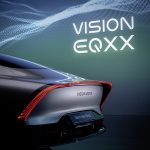
- Der VISION EQXX zeigt, wie sich Mercedes-Benz die Zukunft des Elektroautos vorstellt. Das Auto hat eine Reichweite von mehr als 1.000 Kilometern und einen Energieverbrauch von weniger als 10 kWh pro 100 Kilometer. Der VISION EQXX steht für neue Maßstäbe hinsichtlich Energieeffizienz und Reichweite im realen Straßenverkehr sowie für die revolutionäre Entwicklung von Elektroautos. // The VISION EQXX is how Mercedes-Benz imagines the future of electric cars. The car has a range of more than 1,000 kilometres with an outstanding energy consumption of less than 10 kWh per 100 kilometres. The VISION EQXX stands for major new advances: it sets new standards in terms of energy efficiency and range in real-life traffic, and revolutionises the development of electric cars.
-
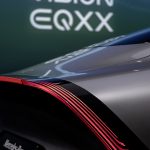
- Der VISION EQXX zeigt, wie sich Mercedes-Benz die Zukunft des Elektroautos vorstellt. Das Auto hat eine Reichweite von mehr als 1.000 Kilometern und einen Energieverbrauch von weniger als 10 kWh pro 100 Kilometer. Der VISION EQXX steht für neue Maßstäbe hinsichtlich Energieeffizienz und Reichweite im realen Straßenverkehr sowie für die revolutionäre Entwicklung von Elektroautos. // The VISION EQXX is how Mercedes-Benz imagines the future of electric cars. The car has a range of more than 1,000 kilometres with an outstanding energy consumption of less than 10 kWh per 100 kilometres. The VISION EQXX stands for major new advances: it sets new standards in terms of energy efficiency and range in real-life traffic, and revolutionises the development of electric cars.
-
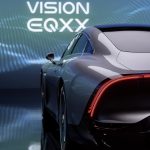
- Der VISION EQXX zeigt, wie sich Mercedes-Benz die Zukunft des Elektroautos vorstellt. Das Auto hat eine Reichweite von mehr als 1.000 Kilometern und einen Energieverbrauch von weniger als 10 kWh pro 100 Kilometer. Der VISION EQXX steht für neue Maßstäbe hinsichtlich Energieeffizienz und Reichweite im realen Straßenverkehr sowie für die revolutionäre Entwicklung von Elektroautos. // The VISION EQXX is how Mercedes-Benz imagines the future of electric cars. The car has a range of more than 1,000 kilometres with an outstanding energy consumption of less than 10 kWh per 100 kilometres. The VISION EQXX stands for major new advances: it sets new standards in terms of energy efficiency and range in real-life traffic, and revolutionises the development of electric cars.
-
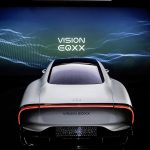
- Der VISION EQXX zeigt, wie sich Mercedes-Benz die Zukunft des Elektroautos vorstellt. Das Auto hat eine Reichweite von mehr als 1.000 Kilometern und einen Energieverbrauch von weniger als 10 kWh pro 100 Kilometer. Der VISION EQXX steht für neue Maßstäbe hinsichtlich Energieeffizienz und Reichweite im realen Straßenverkehr sowie für die revolutionäre Entwicklung von Elektroautos. // The VISION EQXX is how Mercedes-Benz imagines the future of electric cars. The car has a range of more than 1,000 kilometres with an outstanding energy consumption of less than 10 kWh per 100 kilometres. The VISION EQXX stands for major new advances: it sets new standards in terms of energy efficiency and range in real-life traffic, and revolutionises the development of electric cars.
-
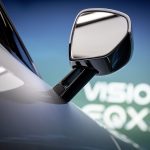
- VISION EQXX Außenspiegel // VISION EQXX exterior mirror
-
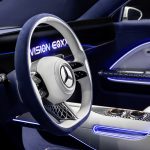
- UI/UX im VISION EQXX: Das Benutzererlebnis im VISION EQXX katapultiert uns in eine intelligente, softwaregesteuerte Zukunft. Mit einem beeindruckenden Design und intuitiv bedienbar erstreckt sich das erste komplett nahtlose Display in einem Mercedes-Benz über 47,5 Zoll von einer A-Säule zur anderen. // UI/UX in the VISION EQXX: The user interface and user experience inside the VISION EQXX catapults us into a highly responsive, intelligent and software-driven future. Stunning to look at, intuitive to work with and in tune with the human mind, the first ever completely seamless display in a Mercedes-Benz spans 47.5 inches from one A-pillar to the other.
-
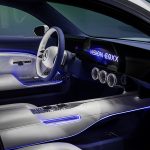
- UI/UX im VISION EQXX: Das Benutzererlebnis im VISION EQXX katapultiert uns in eine intelligente, softwaregesteuerte Zukunft. Mit einem beeindruckenden Design und intuitiv bedienbar erstreckt sich das erste komplett nahtlose Display in einem Mercedes-Benz über 47,5 Zoll von einer A-Säule zur anderen. // UI/UX in the VISION EQXX: The user interface and user experience inside the VISION EQXX catapults us into a highly responsive, intelligent and software-driven future. Stunning to look at, intuitive to work with and in tune with the human mind, the first ever completely seamless display in a Mercedes-Benz spans 47.5 inches from one A-pillar to the other.
-
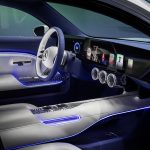
- UI/UX im VISION EQXX: Das Benutzererlebnis im VISION EQXX katapultiert uns in eine intelligente, softwaregesteuerte Zukunft. Mit einem beeindruckenden Design und intuitiv bedienbar erstreckt sich das erste komplett nahtlose Display in einem Mercedes-Benz über 47,5 Zoll von einer A-Säule zur anderen. // UI/UX in the VISION EQXX: The user interface and user experience inside the VISION EQXX catapults us into a highly responsive, intelligent and software-driven future. Stunning to look at, intuitive to work with and in tune with the human mind, the first ever completely seamless display in a Mercedes-Benz spans 47.5 inches from one A-pillar to the other.
-
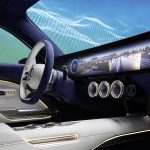
- UI/UX im VISION EQXX: Das Benutzererlebnis im VISION EQXX katapultiert uns in eine intelligente, softwaregesteuerte Zukunft. Mit einem beeindruckenden Design und intuitiv bedienbar erstreckt sich das erste komplett nahtlose Display in einem Mercedes-Benz über 47,5 Zoll von einer A-Säule zur anderen. // UI/UX in the VISION EQXX: The user interface and user experience inside the VISION EQXX catapults us into a highly responsive, intelligent and software-driven future. Stunning to look at, intuitive to work with and in tune with the human mind, the first ever completely seamless display in a Mercedes-Benz spans 47.5 inches from one A-pillar to the other.
-
- VISION EQXX Interieur // VISION EQXX interior
-
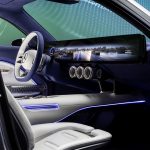
- UI/UX im VISION EQXX: Das Benutzererlebnis im VISION EQXX katapultiert uns in eine intelligente, softwaregesteuerte Zukunft. Mit einem beeindruckenden Design und intuitiv bedienbar erstreckt sich das erste komplett nahtlose Display in einem Mercedes-Benz über 47,5 Zoll von einer A-Säule zur anderen. // UI/UX in the VISION EQXX: The user interface and user experience inside the VISION EQXX catapults us into a highly responsive, intelligent and software-driven future. Stunning to look at, intuitive to work with and in tune with the human mind, the first ever completely seamless display in a Mercedes-Benz spans 47.5 inches from one A-pillar to the other.
-
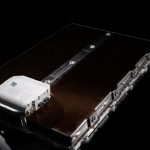
- Das Batteriepaket des VISION EQXX speichert annähernd 100 kWh Energie bei 50 Prozent weniger Volumen und 30 Prozent weniger Gewicht als das in dieser Hinsicht weltbeste Batteriepaket des EQS. // The battery pack in the VISION EQXX holds almost 100 kWh of energy, yet has 50% less volume and is 30% lighter than the already benchmark pack in EQS.
-
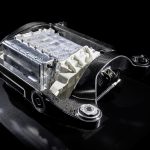
- Wegweisender Antriebsstrang für das Elektrozeitalter: Das radikal neue, von Mercedes-Benz entwickelte Antriebskonzept erreicht einen Benchmark-Wirkungsgrad von 95 Prozent von der Batterie bis zu den Rädern. // Pioneering drivetrain for the electric era: Radical new Mercedes-Benz electric drive system achieves benchmark efficiency of 95% from battery to wheels
-
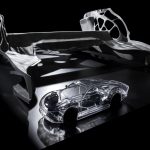
- BIONEQXXTM Gussteil – optimale Funktionalität auf kleinstem Raum: Das im Aluminium-Gussverfahren hergestellte BIONEQXX Element ist das derzeit größte Leichtmetall-Strukturbauteil bei Mercedes-Benz und bildet die Hauptkomponente im Heck des VISION EQXX – den Heckboden. // BIONEQXXTM casting: Currently the largest aluminium structural casting at Mercedes-Benz, BIONEQXX is the major structural component at the rear end of the VISION EQXX – the rear floor.
-
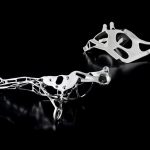
- BIONICAST ist ein eingetragenes Markenzeichen von Mercedes-Benz für Gussteile, die nach natürliche, bionischen Prinzipien konstruiert sind. Beispielsweise sind die Träger der Scheibenwischer des VISION EQXX nach bionischen Prinzipien gestaltet. // BIONICAST is a Mercedes-Benz registered trademark applied to structural castings engineered according to the principles of nature. For example, the bracket carrying the windscreen wipers of the VISION EQXX is designed using principles of bionic engineering.
-
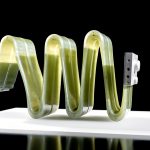
- Der Leichtbaugedanke wurde beim VISION EQXX konsequent umgesetzt. Neue glasfaserverstärkte Kunststofffedern, die in Zusammenarbeit mit Rheinmetall Automotive entwickelt wurden, sorgen für eine Gewichtseinsparung im Vergleich zu herkömmlichen Schraubenfedern. // Lightweight design thinking was applied throughout the VISION EQXX. Meanwhile, new advanced glass-fibre-reinforced plastic springs developed in partnership with Rheinmetall Automotive remove further weight compared with conventional coil springs.
-
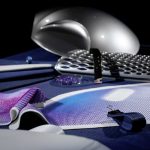
- Von Pilzen bis hin zu veganer Seide – nachhaltige Werkstoffe im VISION EQXX Interieur: Beispielsweise sind die Türgriffe im VISION EQXX aus Biosteel-Faser gefertigt. Dabei handelt es sich um ein hochfestes, biotechnologisch erzeugtes und als vegan zertifiziertes seidenähnliches Gewebe. // From mushrooms to vegan silk, nature’s influence continues in the VISION EQXX interior. For instance, the door pulls in the VISION EQXX are made from Biosteel fibre. This is a high-strength, biotechnology-based and certified-vegan silk-like fabric.
-
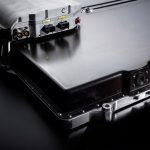
- Das Batteriepaket des VISION EQXX speichert annähernd 100 kWh Energie bei 50 Prozent weniger Volumen und 30 Prozent weniger Gewicht als das in dieser Hinsicht weltbeste Batteriepaket des EQS. // The battery pack in the VISION EQXX holds almost 100 kWh of energy, yet has 50% less volume and is 30% lighter than the already benchmark pack in EQS.
-
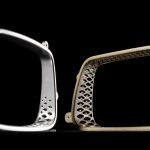
- Im Innenraum des VISION EQXX kommt UBQ-Material zum Einsatz, ein nachhaltiger Kunststoffersatz, der aus Haushaltsabfällen hergestellt wird. // The interior oft he VISION EQXX features UBQ material, a sustainable plastic substitute made from household and municipal landfill waste.
-
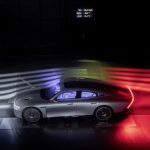
- Der VISION EQXX verdankt seinen herausragenden cW-Wert von 0,17 der strömungsförmigen Grundform, der innovativen, aerodynamisch neutralen Kühlplatte im Unterboden und der aufwändigen Integration von passiven und aktiven Aero-Elementen in die Karosserie. // The VISION EQXX owes its outstanding drag coefficient of 0.17 to its streamlined basic shape, the innovative, aerodynamically neutral cooling plate in the underbody and the elaborate integration of passive and active aero elements in the body.
-
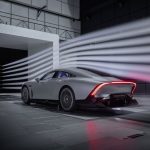
- Der VISION EQXX verdankt seinen herausragenden cW-Wert von 0,17 der strömungsförmigen Grundform, der innovativen, aerodynamisch neutralen Kühlplatte im Unterboden und der aufwändigen Integration von passiven und aktiven Aero-Elementen in die Karosserie. // The VISION EQXX owes its outstanding drag coefficient of 0.17 to its streamlined basic shape, the innovative, aerodynamically neutral cooling plate in the underbody and the elaborate integration of passive and active aero elements in the body.
-
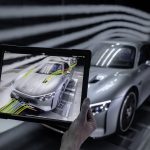
- Der VISION EQXX verdankt seinen herausragenden cW-Wert von 0,17 der strömungsförmigen Grundform, der innovativen, aerodynamisch neutralen Kühlplatte im Unterboden und der aufwändigen Integration von passiven und aktiven Aero-Elementen in die Karosserie. // The VISION EQXX owes its outstanding drag coefficient of 0.17 to its streamlined basic shape, the innovative, aerodynamically neutral cooling plate in the underbody and the elaborate integration of passive and active aero elements in the body.
-
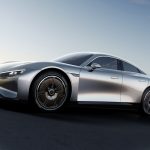
- Mercedes-Benz VISION EQXX, Exterieur // Mercedes-Benz VISION EQXX, exterior
-
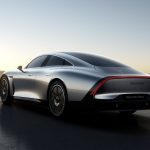
- Mercedes-Benz VISION EQXX, Exterieur // Mercedes-Benz VISION EQXX, exterior
-
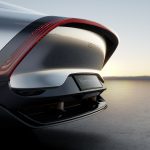
- Mercedes-Benz VISION EQXX, Exterieur // Mercedes-Benz VISION EQXX, exterior
-
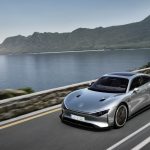
- Der VISION EQXX zeigt, wie sich Mercedes-Benz die Zukunft des Elektroautos vorstellt. Das Auto hat eine Reichweite von mehr als 1.000 Kilometern und einen Energieverbrauch von weniger als 10 kWh pro 100 Kilometer. Der VISION EQXX steht für neue Maßstäbe hinsichtlich Energieeffizienz und Reichweite im realen Straßenverkehr sowie für die revolutionäre Entwicklung von Elektroautos. // The VISION EQXX is how Mercedes-Benz imagines the future of electric cars. The car has a range of more than 1,000 kilometres with an outstanding energy consumption of less than 10 kWh per 100 kilometres. The VISION EQXX stands for major new advances: it sets new standards in terms of energy efficiency and range in real-life traffic, and revolutionises the development of electric cars.
-
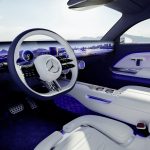
- Mercedes-Benz VISION EQXX, Interieur // Mercedes-Benz VISION EQXX, interior
-
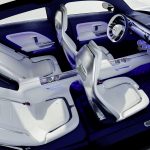
- Mercedes-Benz VISION EQXX, Interieur // Mercedes-Benz VISION EQXX, interior
-
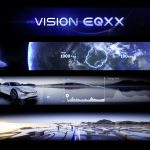
- Das UI/UX im VISION EQXX bietet ein neues Maß an digitalem Luxus. Es liefert den Insassen die Informationen, die sie brauchen. Und zwar genau dann, wenn sie sie brauchen – nicht mehr und nicht weniger. // The UI/UX in the VISION EQXX offers a new level of digital luxury, providing the occupants with the information they need when they need it – no more no less.
Among the most interesting features, apart from the massive range estimation and other efficiency ratings that will put it among the “who’s who” of the EV industry, is Mercedes’ plan to utilize solar cells to supplement additional needs. The car will draw additional energy from 117 solar cells installed on the roof. Developed alongside the Fraunhofer Institute for Solar Energy Systems ISE — the largest solar energy research institute in Europe — the solar cells will reduce the energy drain on the high-voltage system. Under ideal conditions, Mercedes-Benz says, an additional 15 miles, or 25 km, will be generated from the solar cells.
Mercedes is coming off of a huge announcement last month where it unveiled it had officially received approval for the first SAE Level 3 autonomous driving system with DRIVE PILOT. The system, which will act as a “traffic jam chauffer,” according to SAE guidelines, is the first conditionally automated driving system to meet the requirements of Global Automotive Regulation No. 157, which concerns the approval of vehicles with regards to Automated Lane-Keeping Systems.
I’d love to hear from you! If you have any comments, concerns, or questions, please email me at joey@teslarati.com. You can also reach me on Twitter @KlenderJoey, or if you have news tips, you can email us at tips@teslarati.com.








Elon Musk
Tesla Supercharger Diner food menu gets a sneak peek as construction closes out
What are you ordering at the Tesla Diner?
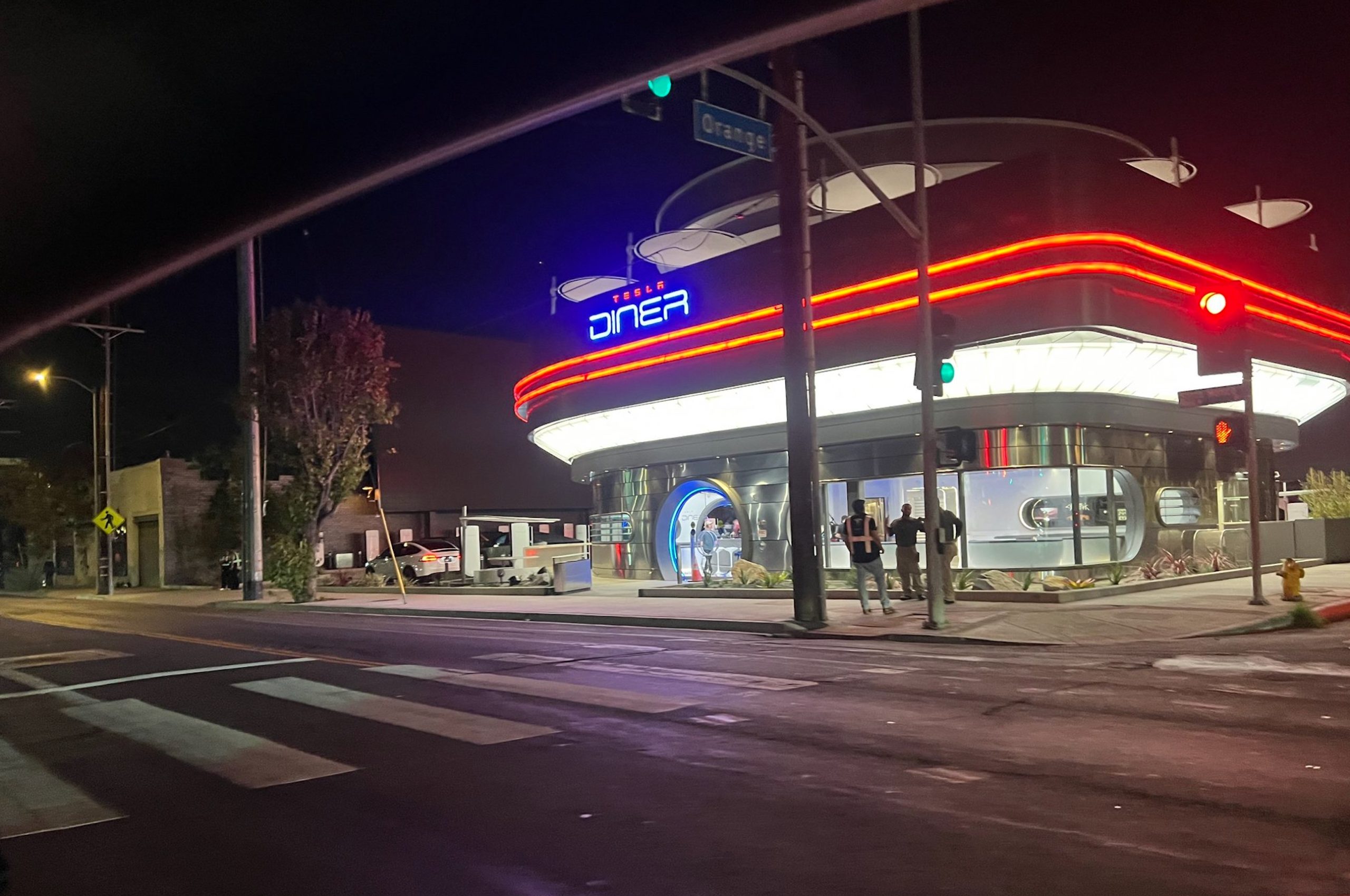
The Tesla Supercharger Diner in Los Angeles is nearing completion as construction appears to be winding down significantly. However, the more minor details, such as what the company will serve at its 50s-style diner for food, are starting to be revealed.
Tesla’s Supercharger Diner is set to open soon, seven years after CEO Elon Musk first drafted the idea in a post on X in 2018. Musk has largely come through on most of what he envisioned for the project: the diner, the massive movie screens, and the intended vibe are all present, thanks to the aerial and ground footage shared on social media.
We already know the Diner will be open 24/7, based on decals placed on the front door of the restaurant that were shared earlier this week. We assume that Tesla Optimus will come into play for these long and uninterrupted hours.
The Tesla Diner is basically finished—here’s what it looks like
As far as the food, Tesla does have an email also printed on the front door of the Diner, but we did not receive any response back (yet) about what cuisine it will be offering. We figured it would be nothing fancy and it would be typical diner staples: burgers, fries, wings, milkshakes, etc.
According to pictures taken by @Tesla_lighting_, which were shared by Not a Tesla App, the food will be just that: quick and affordable meals that diners do well. It’s nothing crazy, just typical staples you’d find at any diner, just with a Tesla twist:
Tesla Diner food:
• Burgers
• Fries
• Chicken Wings
• Hot Dogs
• Hand-spun milkshakes
• And more https://t.co/kzFf20YZQq pic.twitter.com/aRv02TzouY— Sawyer Merritt (@SawyerMerritt) July 17, 2025
As the food menu is finalized, we will be sure to share any details Tesla provides, including a full list of what will be served and its prices.
Additionally, the entire property appears to be nearing its final construction stages, and it seems it may even be nearing completion. The movie screens are already up and showing videos of things like SpaceX launches.
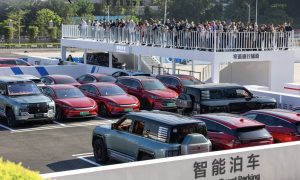
There are many cars already using the Superchargers at the restaurant, and employees inside the facility look to be putting the finishing touches on the interior.
🚨 Boots on the ground at the Tesla Diner:
— TESLARATI (@Teslarati) July 17, 2025
It’s almost reminiscent of a Tesla version of a Buc-ee’s, a southern staple convenience store that offers much more than a traditional gas station. Of course, Tesla’s version is futuristic and more catered to the company’s image, but the idea is the same.
It’s a one-stop shop for anything you’d need to recharge as a Tesla owner. Los Angeles building permits have not yet revealed the date for the restaurant’s initial operation, but Tesla may have its eye on a target date that will likely be announced during next week’s Earnings Call.
News
Tesla’s longer Model Y did not scale back requests for this vehicle type from fans
Tesla fans are happy with the new Model Y, but they’re still vocal about the need for something else.
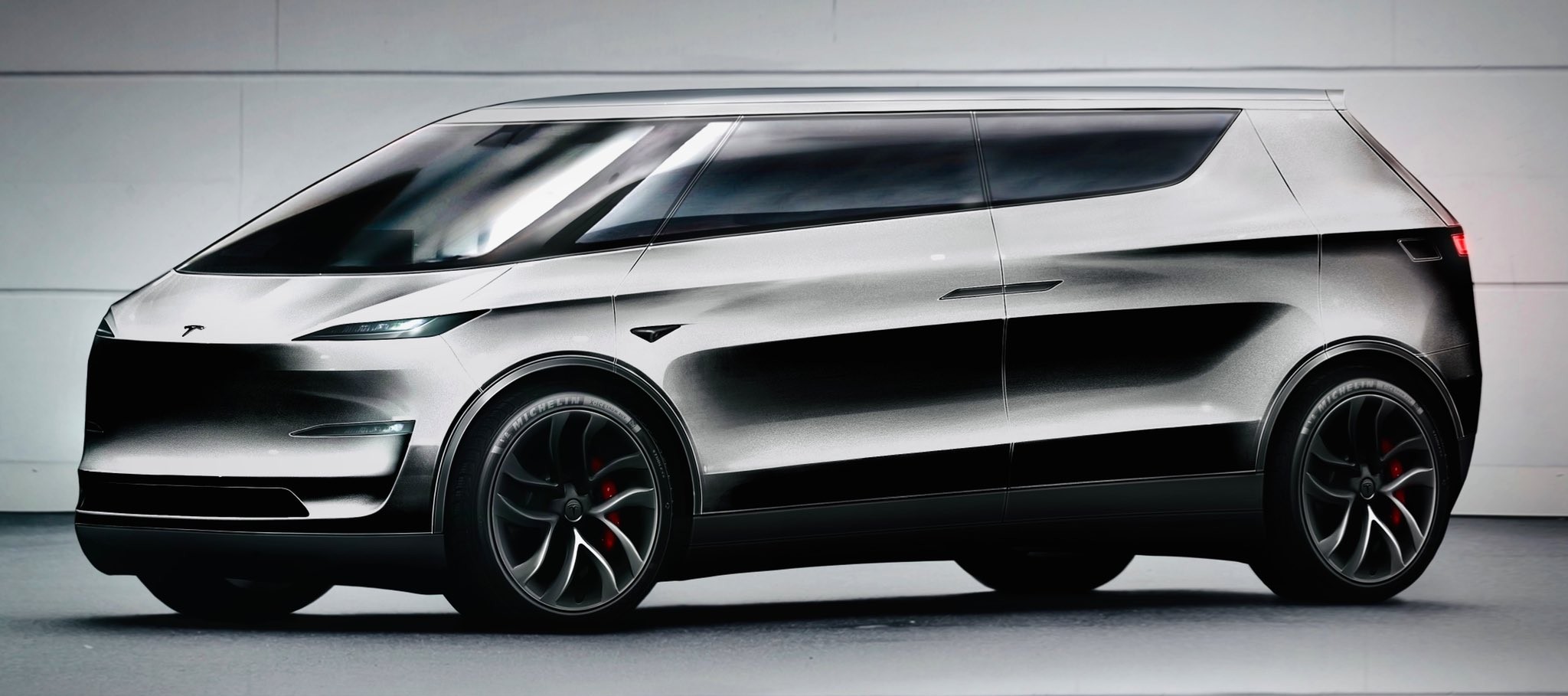
Tesla launched a slightly longer version of the Model Y all-electric crossover in China, and with it being extremely likely that the vehicle will make its way to other markets, including the United States, fans are still looking for something more.
The new Model Y L in China boasts a slightly larger wheelbase than its original version, giving slightly more interior room with a sixth seat, thanks to a third row.
Tesla exec hints at useful and potentially killer Model Y L feature
Tesla has said throughout the past year that it would focus on developing its affordable, compact models, which were set to begin production in the first half of the year. The company has not indicated whether it met that timeline or not, but many are hoping to see unveilings of those designs potentially during the Q3 earnings call.
However, the modifications to the Model Y, which have not yet been officially announced for any markets outside of China, still don’t seem to be what owners and fans are looking forward to. Instead, they are hoping for something larger.
A few months ago, I reported on the overall consensus within the Tesla community that the company needs a full-size SUV, minivan, or even a cargo van that would be ideal for camping or business use.
Tesla is missing one type of vehicle in its lineup and fans want it fast
That mentality still seems very present amongst fans and owners, who state that a full-size SUV with enough seating for a larger family, more capability in terms of cargo space for camping or business operation, and something to compete with gas cars like the Chevrolet Tahoe, Ford Expedition, or electric ones like the Volkswagen ID.BUZZ.
We asked the question on X, and Tesla fans were nearly unanimously in support of a larger SUV or minivan-type vehicle for the company’s lineup:
🚨 More and more people are *still* saying that, despite this new, longer Model Y, Tesla still needs a true three-row SUV
Do you agree? https://t.co/QmbRDcCE08 pic.twitter.com/p6m5zB4sDZ
— TESLARATI (@Teslarati) July 16, 2025
Here’s what some of the respondents said:
100% agree, we need a larger vehicle.
Our model Y is quickly getting too small for our family of 5 as the kids grow. A slightly longer Y with an extra seat is nice but it’s not enough if you’re looking to take it on road trips/vacations/ kids sports gear etc.
Unfortunately we…
— Anthony Hunter (@_LiarsDice_) July 17, 2025
Had to buy a Kia Carnival Hybrid because Tesla doesn’t have a true 3 row vehicle with proper space and respectable range. pic.twitter.com/pzwFyHU8Gi
— Neil, like the astronaut (@Neileeyo) July 17, 2025
Agreed! I’m not sure who created this but I liked it enough to save it. pic.twitter.com/Sof5nMehjS
— 🦉Wise Words of Wisdom – Inspirational Quotes (IQ) (@WiseWordsIQ) July 16, 2025
Tesla is certainly aware that many of its owners would like the company to develop something larger that competes with the large SUVs on the market.
However, it has not stated that anything like that is in the current plans for future vehicles, as it has made a concerted effort to develop Robotaxi alongside the affordable, compact models that it claims are in development.
It has already unveiled the Robovan, a people-mover that can seat up to 20 passengers in a lounge-like interior.
The Robovan will be completely driverless, so it’s unlikely we will see it before the release of a fully autonomous Full Self-Driving suite from Tesla.
Energy
Tesla launches first Virtual Power Plant in UK – get paid to use solar
Tesla has launched its first-ever Virtual Power Plant program in the United Kingdom.
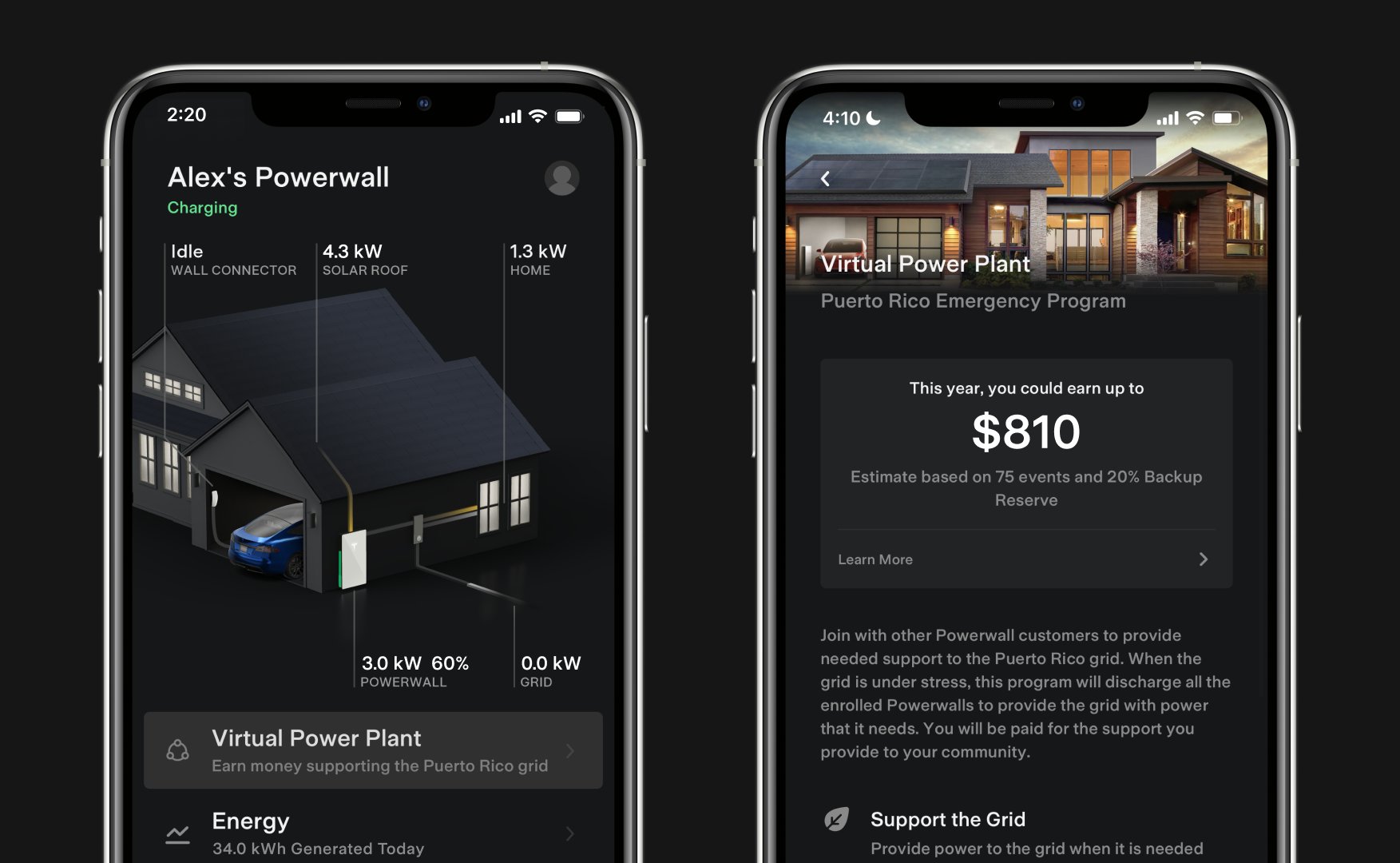
Tesla has launched its first-ever Virtual Power Plant program in the United Kingdom. This feature enables users of solar panels and energy storage systems to sell their excess energy back to the grid.
Tesla is utilizing Octopus Energy, a British renewable energy company that operates in multiple markets, including the UK, France, Germany, Italy, Spain, Australia, Japan, New Zealand, and the United States, as the provider for the VPP launch in the region.
The company states that those who enroll in the program can earn up to £300 per month.
Tesla has operated several VPP programs worldwide, most notably in California, Texas, Connecticut, and the U.S. territory of Puerto Rico. This is not the first time Tesla has operated a VPP outside the United States, as there are programs in Australia, Japan, and New Zealand.
This is its first in the UK:
Our first VPP in the UK
You can get paid to share your energy – store excess energy in your Powerwall & sell it back to the grid
You’re making £££ and the community is powered by clean energy
Win-win pic.twitter.com/evhMtJpgy1
— Tesla UK (@tesla_uk) July 17, 2025
Tesla is not the only company that is working with Octopus Energy in the UK for the VPP, as it joins SolarEdge, GivEnergy, and Enphase as other companies that utilize the Octopus platform for their project operations.
It has been six years since Tesla launched its first VPP, as it started its first in Australia back in 2019. In 2024, Tesla paid out over $10 million to those participating in the program.
Participating in the VPP program that Tesla offers not only provides enrolled individuals with the opportunity to earn money, but it also contributes to grid stabilization by supporting local energy grids.

Tesla Supercharger Diner food menu gets a sneak peek as construction closes out

Tesla’s longer Model Y did not scale back requests for this vehicle type from fans

Tesla launches first Virtual Power Plant in UK – get paid to use solar


-
 Elon Musk1 day ago
Waymo responds to Tesla’s Robotaxi expansion in Austin with bold statement
-
 News1 day ago
Tesla exec hints at useful and potentially killer Model Y L feature
-
 Elon Musk2 days ago
Elon Musk reveals SpaceX’s target for Starship’s 10th launch
-
 Elon Musk3 days ago
Tesla ups Robotaxi fare price to another comical figure with service area expansion
-
 News1 day ago
Tesla’s longer Model Y did not scale back requests for this vehicle type from fans
-
 News1 day ago
“Worthy of respect:” Six-seat Model Y L acknowledged by Tesla China’s biggest rivals
-
 News2 days ago
First glimpse of Tesla Model Y with six seats and extended wheelbase
-
 Elon Musk2 days ago
Elon Musk confirms Tesla is already rolling out a new feature for in-car Grok