
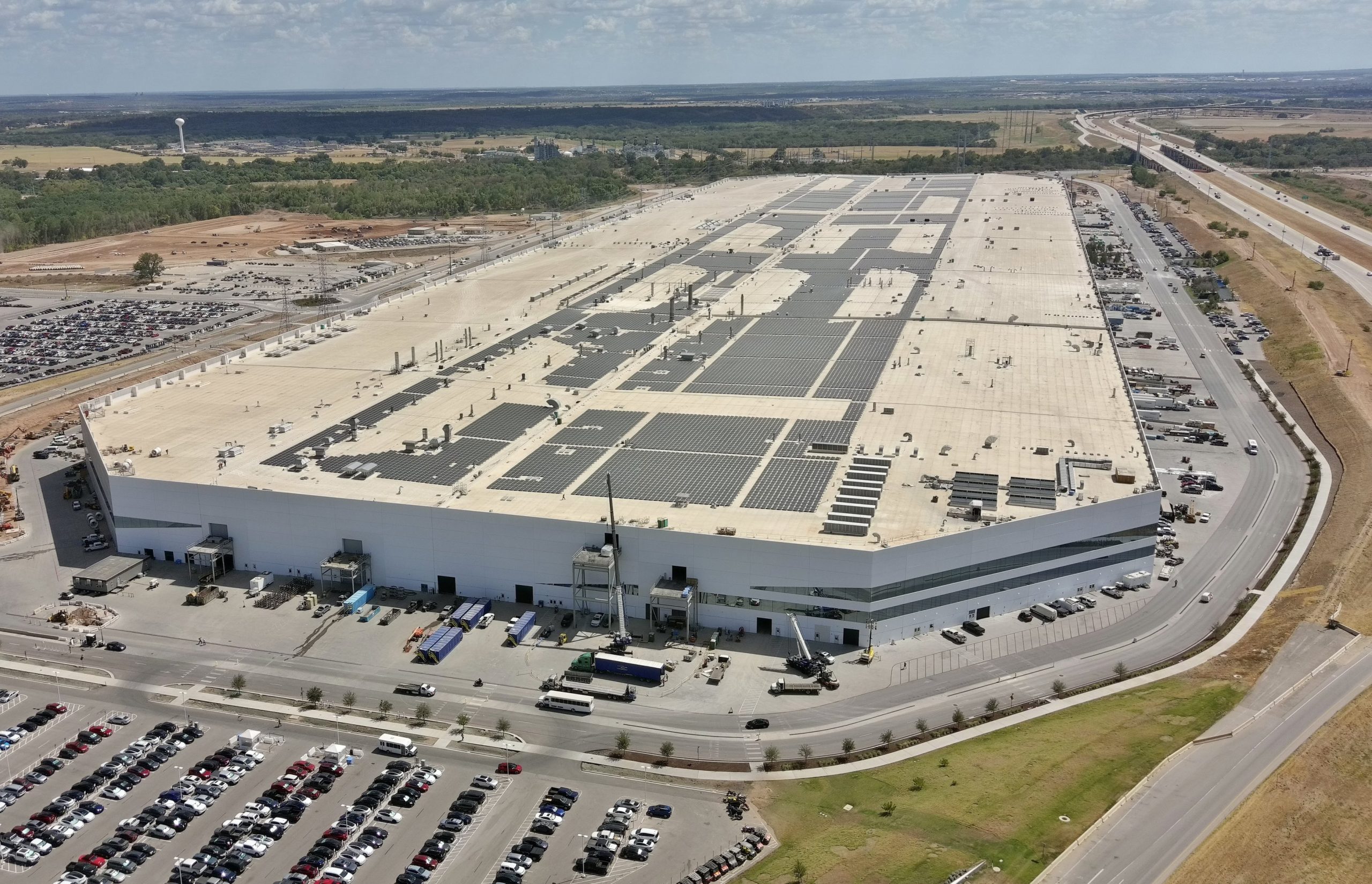

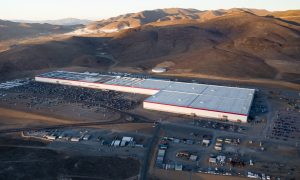
Tesla has paused production of the Cybertruck and Model Y at its Gigafactory in Austin, Texas, and one person thinks that the break could last through the end of the month.
After reporting news earlier this month that Tesla would pause Giga Texas production for upgrades to general assembly lines #2 and #3, drone videographer Joe Tegtmeyer reiterated the point on X on Wednesday, adding that he thinks the factory may keep Cybertruck and Model Y production paused until the end of September.
Despite this, he also notes that his recent video shows more employee vehicles in the Giga Texas parking lot, leading him to believe that the company is performing additional testing, training and calibration work.
Thought I'd put out this supercut of video intros from most of September where I mentioned the pause of production here at Giga Texas. Sorry that I did not make it clearer to the community and this is a surprise to many, but I did try.
Check out this short clip of 6 intros from… pic.twitter.com/Pwp4ls01Wj— Joe Tegtmeyer 🚀 🤠🛸😎 (@JoeTegtmeyer) September 20, 2023
Additionally, Tegtmeyer reiterates the delivery of new manufacturing equipment spotted in recent weeks, including what appear to be two robotic production units for the Cybertruck line. He also points out other projects at Giga Texas, including work to the end-of-line facility steel structure, CFA pile drilling, and updates to the site’s River Road extension, among other work.
You can watch Joe Tegtmeyer’s full video on the continued production pause at Giga Texas below.
Ahead of initial deliveries of the highly anticipated electric pickup, Cybertrucks have been spotted outside the factory’s crash testing lab, along with several pre-production versions of the truck seen on public roads and at Superchargers.
Cybertrucks have also been spotted leaving Giga Texas in huge volumes, coinciding with the many sightings. More recently, CEO Elon Musk took Israel’s Prime Minister Benjamin Netanyahu for a ride in a Cybertruck, and a snapshot of a potential Oracle Cybertruck police cruiser has surfaced online.
Although production of the Cybertruck has already been underway for a couple of months, the automaker is still in pre-production for the upcoming release. Tesla still needs to get crash testing results from the National Highway Traffic Safety Administration (NHTSA) and a Certificate of Conformity before the Cybertruck can be released.
What are your thoughts? Let me know at zach@teslarati.com, find me on X at @zacharyvisconti, or send your tips to us at tips@teslarati.com.





Elon Musk
Tesla begins expanding Robotaxi access: here’s how you can ride
You can ride in a Tesla Robotaxi by heading to its website and filling out the interest form. The company is hand-picking some of those who have done this to gain access to the fleet.

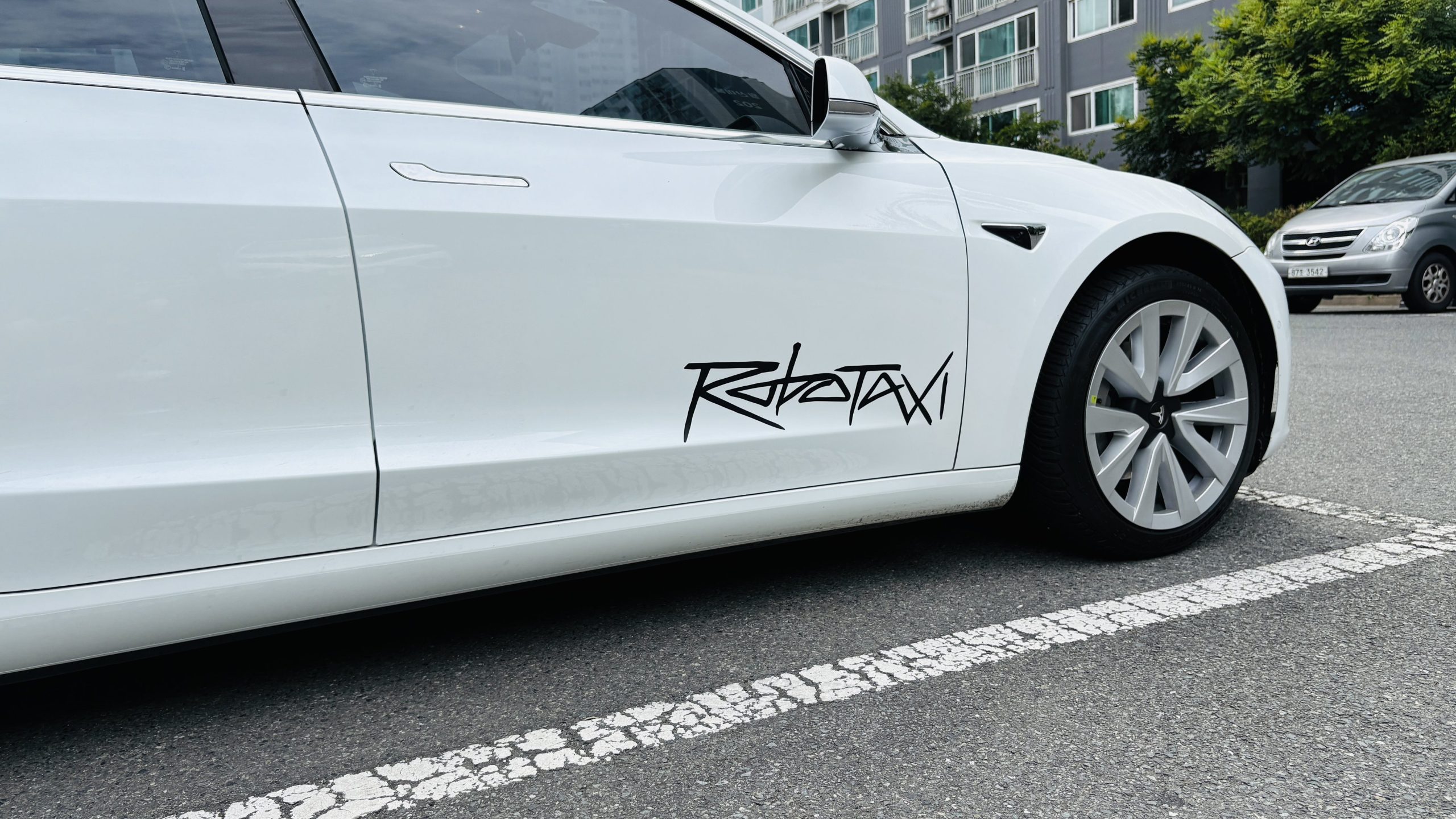
Tesla has begun expanding Robotaxi access beyond the initial small group it offered rides to in late June, as it launched the driverless platform in Austin, Texas.
The small group of people enjoying the Robotaxi ride-hailing service is now growing, as several Austin-area residents are receiving invitations to test out the platform for themselves.
The first rides took place on June 22, and despite a very small number of very manageable and expected hiccups, Tesla Robotaxi was widely successful with its launch.
Tesla Robotaxi riders tout ‘smooth’ experience in first reviews of driverless service launch
However, Tesla is expanding the availability of the ride-hailing service to those living in Austin and its surrounding areas, hoping to gather more data and provide access to those who will utilize it on a daily basis.
Many of the people Tesla initially invited, including us, are not local to the Austin area.
There are a handful of people who are, but Tesla was evidently looking for more stable data collection, as many of those early invitees headed back to where they live.
The first handful of invitations in the second round of the Robotaxi platform’s Early Access Program are heading out to Austin locals:
I just got a @robotaxi invite! Super excited to go try the service out! pic.twitter.com/n9mN35KKFU
— Ethan McKanna (@ethanmckanna) July 1, 2025
Tesla likely saw an influx of data during the first week, as many traveled far and wide to say they were among the first to test the Robotaxi platform.
Now that the first week and a half of testing is over, Tesla is expanding invites to others. Many of those who have been chosen to gain access to the Robotaxi app and the ride-hailing service state that they simply filled out the interest form on the Robotaxi page of Tesla’s website.
That’s the easiest way you will also gain access, so be sure to fill out that form if you have any interest in riding in Robotaxi.
Tesla will continue to utilize data accumulated from these rides to enable more progress, and eventually, it will lead to even more people being able to hail rides from the driverless platform.
With more success, Tesla will start to phase out some of the Safety Monitors and Supervisors it is using to ensure things run smoothly. CEO Elon Musk said Tesla could start increasing the number of Robotaxis to monitors within the next couple of months.
A Tesla analyst today said that investors should not lose sight of what is truly important in the grand scheme of being a shareholder, and that any near-term drama between CEO Elon Musk and U.S. President Donald Trump should not outshine the progress made by the company.
Gene Munster of Deepwater Management said that Tesla’s progress in autonomy is a much larger influence and a significantly bigger part of the company’s story than any disagreement between political policies.
Munster appeared on CNBC‘s “Closing Bell” yesterday to reiterate this point:
“One thing that is critical for Tesla investors to remember is that what’s going on with the business, with autonomy, the progress that they’re making, albeit early, is much bigger than any feud that is going to happen week-to-week between the President and Elon. So, I understand the reaction, but ultimately, I think that cooler heads will prevail. If they don’t, autonomy is still coming, one way or the other.”
BREAKING: GENE MUNSTER SAYS — $TSLA AUTONOMY IS “MUCH BIGGER” THAN ANY FEUD 👀
He says robotaxis are coming regardless ! pic.twitter.com/ytpPcwUTFy
— TheSonOfWalkley (@TheSonOfWalkley) July 2, 2025
This is a point that other analysts like Dan Ives of Wedbush and Cathie Wood of ARK Invest also made yesterday.
On two occasions over the past month, Musk and President Trump have gotten involved in a very public disagreement over the “Big Beautiful Bill,” which officially passed through the Senate yesterday and is making its way to the House of Representatives.
Musk is upset with the spending in the bill, while President Trump continues to reiterate that the Tesla CEO is only frustrated with the removal of an “EV mandate,” which does not exist federally, nor is it something Musk has expressed any frustration with.
In fact, Musk has pushed back against keeping federal subsidies for EVs, as long as gas and oil subsidies are also removed.
Nevertheless, Ives and Wood both said yesterday that they believe the political hardship between Musk and President Trump will pass because both realize the world is a better place with them on the same team.
Munster’s perspective is that, even though Musk’s feud with President Trump could apply near-term pressure to the stock, the company’s progress in autonomy is an indication that, in the long term, Tesla is set up to succeed.
Tesla launched its Robotaxi platform in Austin on June 22 and is expanding access to more members of the public. Austin residents are now reporting that they have been invited to join the program.
Elon Musk
Tesla surges following better-than-expected delivery report
Tesla saw some positive momentum during trading hours as it reported its deliveries for Q2.
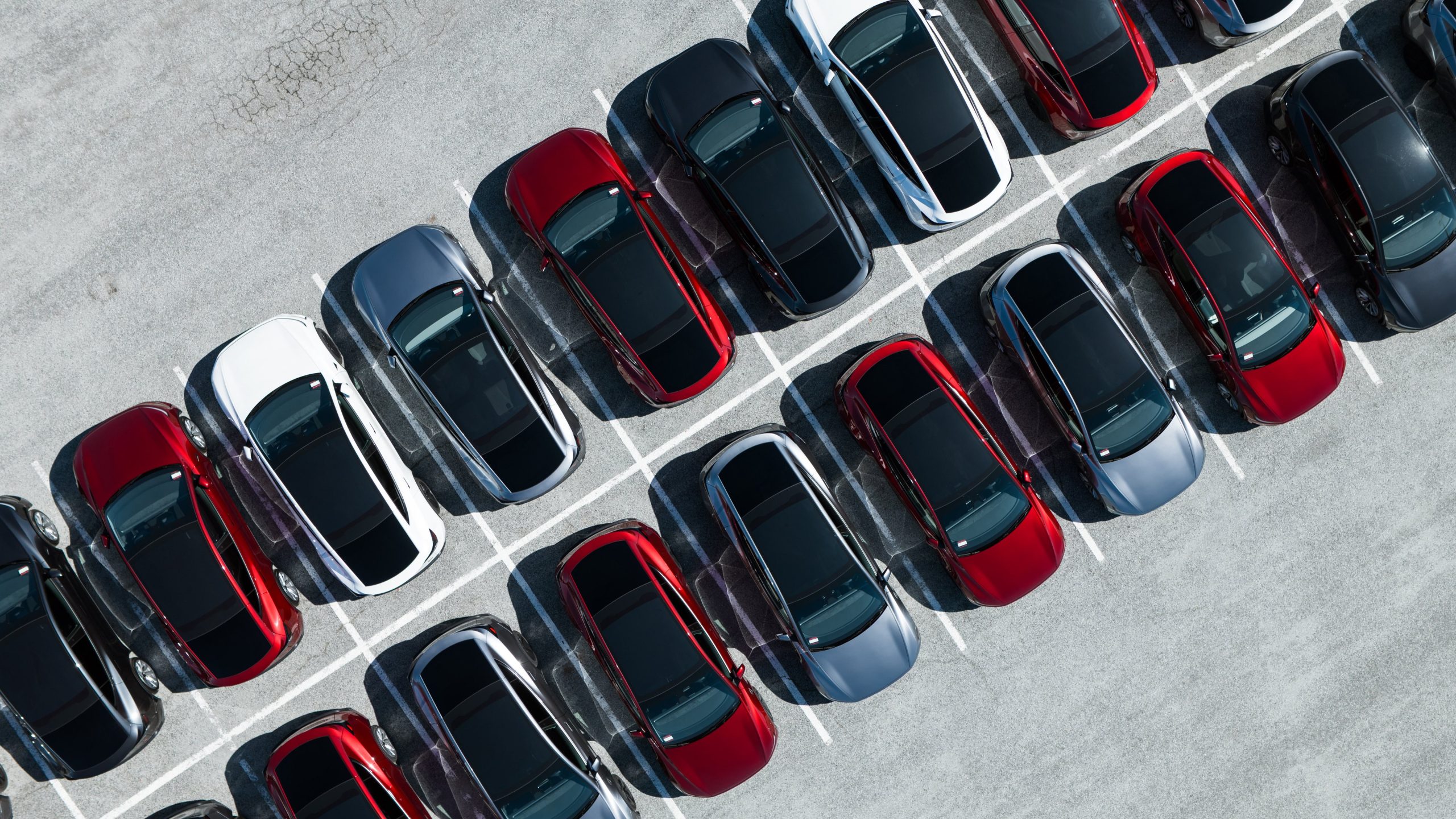
Tesla (NASDAQ: TSLA) surged over four percent on Wednesday morning after the company reported better-than-expected deliveries. It was nearly right on consensus estimations, as Wall Street predicted the company would deliver 385,000 cars in Q2.
Tesla reported that it delivered 384,122 vehicles in Q2. Many, including those inside the Tesla community, were anticipating deliveries in the 340,000 to 360,000 range, while Wall Street seemed to get it just right.
Tesla delivers 384,000 vehicles in Q2 2025, deploys 9.6 GWh in energy storage
Despite Tesla meeting consensus estimations, there were real concerns about what the company would report for Q2.
There were reportedly brief pauses in production at Gigafactory Texas during the quarter and the ramp of the new Model Y configuration across the globe were expected to provide headwinds for the EV maker during the quarter.
At noon on the East Coast, Tesla shares were up about 4.5 percent.
It is expected that Tesla will likely equal the number of deliveries it completed in both of the past two years.
It has hovered at the 1.8 million mark since 2023, and it seems it is right on pace to match that once again. Early last year, Tesla said that annual growth would be “notably lower” than expected due to its development of a new vehicle platform, which will enable more affordable models to be offered to the public.
These cars are expected to be unveiled at some point this year, as Tesla said they were “on track” to be produced in the first half of the year. Tesla has yet to unveil these vehicle designs to the public.
Dan Ives of Wedbush said in a note to investors this morning that the company’s rebound in China in June reflects good things to come, especially given the Model Y and its ramp across the world.
He also said that Musk’s commitment to the company and return from politics played a major role in the company’s performance in Q2:
“If Musk continues to lead and remain in the driver’s seat, we believe Tesla is on a path to an accelerated growth path over the coming years with deliveries expected to ramp in the back-half of 2025 following the Model Y refresh cycle.”
Ives maintained his $500 price target and the ‘Outperform’ rating he held on the stock:
“Tesla’s future is in many ways the brightest it’s ever been in our view given autonomous, FSD, robotics, and many other technology innovations now on the horizon with 90% of the valuation being driven by autonomous and robotics over the coming years but Musk needs to focus on driving Tesla and not putting his political views first. We maintain our OUTPERFORM and $500 PT.”
Moving forward, investors will look to see some gradual growth over the next few quarters. At worst, Tesla should look to match 2023 and 2024 full-year delivery figures, which could be beaten if the automaker can offer those affordable models by the end of the year.

Tesla begins expanding Robotaxi access: here’s how you can ride

Tesla analyst issues stern warning to investors: forget Trump-Musk feud

Tesla surges following better-than-expected delivery report


-
 Elon Musk2 days ago
Tesla investors will be shocked by Jim Cramer’s latest assessment
-
 News7 days ago
Tesla Robotaxi’s biggest challenge seems to be this one thing
-

 News2 weeks ago
Tesla’s Grok integration will be more realistic with this cool feature
-
 Elon Musk2 weeks ago
Elon Musk slams Bloomberg’s shocking xAI cash burn claims
-
 News2 weeks ago
Texas lawmakers urge Tesla to delay Austin robotaxi launch to September
-
 Elon Musk1 week ago
First Look at Tesla’s Robotaxi App: features, design, and more
-
 Elon Musk2 weeks ago
Tesla Robotaxis are becoming a common sight on Austin’s public roads
-
 Elon Musk2 weeks ago
Tesla CEO Elon Musk hits back at drug use claims, calls publications ‘hypocrites’