
Welcome to a FREE preview of our weekly exclusive! Each week our team goes ‘Beyond the News’ and handcrafts a special edition that includes our thoughts on the biggest stories, why it matters, and how it could impact the future.
You can receive this newsletter along with all of our other members-exclusive newsletters, become a premium member for just $3/month. Your support goes a long way for us behind the scenes! Thank you.
—
I know, I know. Just asking the question, “Is there anything Tesla can’t do?” alone sounds like stooge-level propaganda with a predictable answer at the end: No. However, I promise you that I’m actually considering it objectively in light of what has been parading in the headlines.
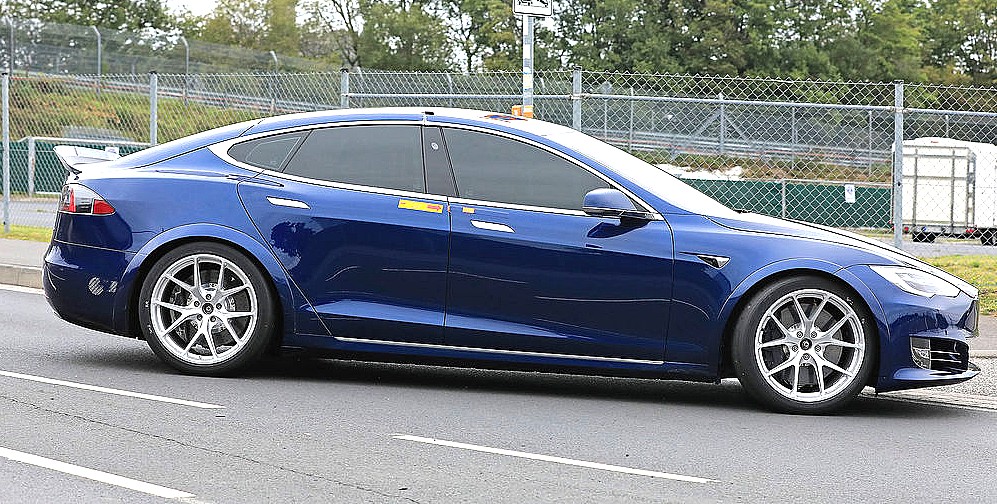
The Porsche Taycan vs. Tesla debates were a bit exhausting over the last couple of weeks, but the ‘Plaid Mode’ reveal took them to another level. Then, a German media outlet reported that a Model S already beat the Taycan’s Nürburgring time by almost 20 seconds after all that hoopla about “turns” and overheating being inevitable doom bringers for Tesla.
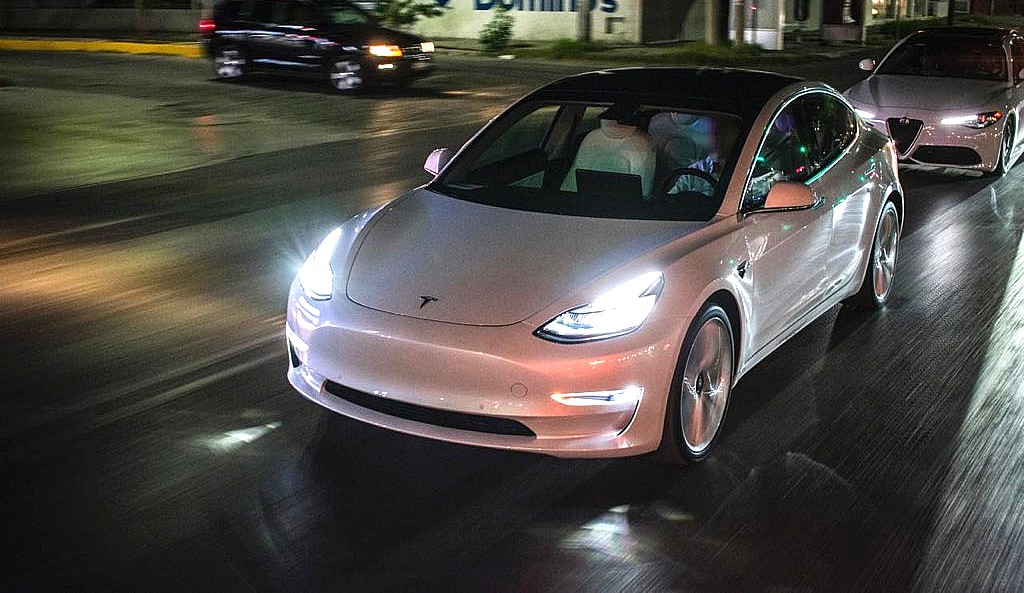
And all this excitement started co-existing with more news about the spiffy stuff included in the V10 firmware update that Tesla’s Early Access Program participants were downloading. Leaked pictures of the made-in-China Model 3 were really just the icing on the cake yesterday for anyone keeping score.
So, I think it’s fair to start wondering what Tesla has left to achieve that may be a serious challenge.
Obviously, there’s plenty on the plate for the next few years at least: Model Y, the Tesla Truck, the Tesla Semi, the next generation Roadster, and now refreshed ‘Plaid Mode’ Model S’s and X’s. Oh, and the regulatory hurdles to make Full Self-Driving a legal reality still need to come through. I suppose having a few more Gigafactories would be a good idea also, like the one teased for Europe.
Okay. Perhaps this question is more tedious than I thought. On one hand, Tesla doesn’t need to do everything a car maker could possibly do. Plenty of manufacturers are content with sticking with their niche markets. But I don’t see Tesla settling for that, especially considering all the markets they’re targeting already and the sales numbers they’re aiming to achieve.
How about outdoor-oriented vehicles, considering the next competitor for Elon Musk to comment on will likely be Rivian? The Michigan-based EV newcomer has completely branded itself to appeal to the travel adventure crowd, and their R1T pickup truck has every whiz-bang thing (to borrow a phrase) they could dream of needing for a mountain camping trek. Rivian even has a patent application for a “digital” jerrycan to extend their battery range for such trips.
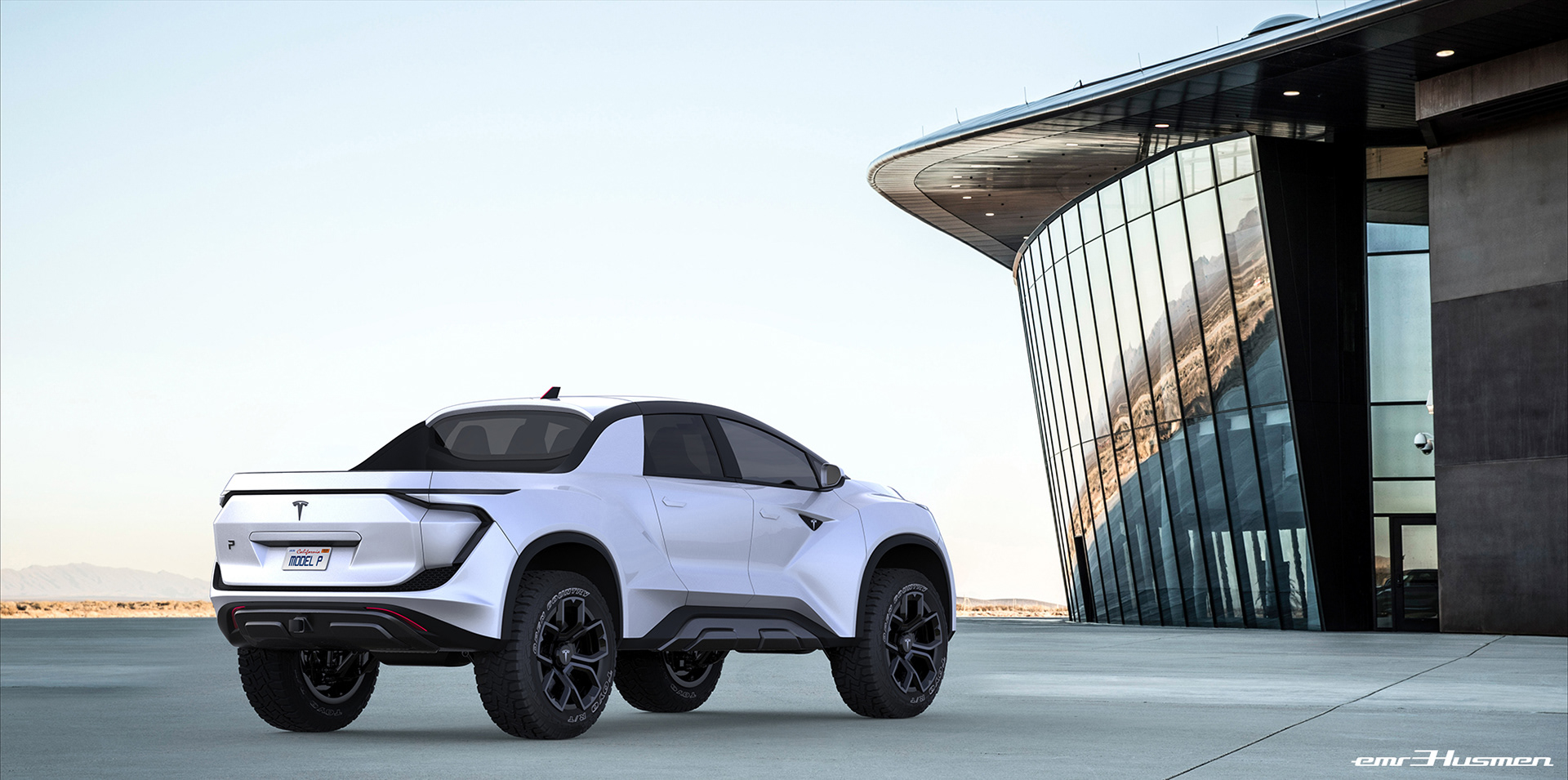
While the Tesla Truck is coming, a ‘Blade Runner’ cyberpunk theme doesn’t seem to have the Rivian-type customers in mind. That’s fine, but would Tesla want to appeal to that base if it proves lucrative? Why bother building a truck in the first place if you don’t want to attract, you know, truck people? Rivian’s R1S SUV might really be where the customers are, though. The Model Y will appeal to a significant base, but the R1S will tap into another large crowd as well. The Model X may be the Fabergé egg of cars, but sports and camping-oriented families may find an SUV that’s traditionally designed and half the price a bit more…feasible.
It seems like there may be a decent amount of crossover between Tesla and Rivian’s bases – both sets of customers have similar values and possibly similar budgets. Will Tesla make a play with its own rough-and-tumble vehicles? Or will they just peacefully co-exist? I mean, Tesla and Porsche are supposedly not really meant to be competitors, yet there’s still a Model S at Nürburgring despite that um, fact.
What about military vehicles? Other automakers like GM and Ford have developed equipment for defense purposes over the decades, and Musk is already well versed in having government entities as customers via SpaceX. The US military is looking for alternative fuel vehicles, although hydrogen fuel cell tech seems the be the focus. I’m sure Tesla’s tech could easily win any competition, especially given their semi truck work and advanced battery products. But, would Tesla even want that sort of customer? SpaceX and Tesla have different core missions, although they are compatible. I could also lay out some ironies in Tesla developing military vehicles, but I’m sure you can imagine what they are.
Finally, what about smaller vehicles like water crafts, ATVs, motorcycles, etc.? Non-vehicle products? Those are areas several other car makers have entered as separate ventures, and successfully at that. Musk may have once joked about Tesla making an electric leaf blower, but Honda could perhaps vouch for the profitability of home DIY equipment. Rivian has even hinted that it’s developing something that’s ‘not necessarily’ a car. After going from the original Roadster to manufacturing and delivering several types of cars all over the world (not to mention solar kits), Tesla could probably easily outfit its customers’ homes with a variety of other battery-powered products. Tesla vs. John Deere, anyone? I’m not sure what kind of culture war that might ignite, but Musk isn’t really the type to back down from such a challenge.
It doesn’t seem like Tesla needs much more on its plate in the immediate future, but after seeing what they’ve accomplished thus far in so little time, the next expansion may end up being around the corner before we know it.


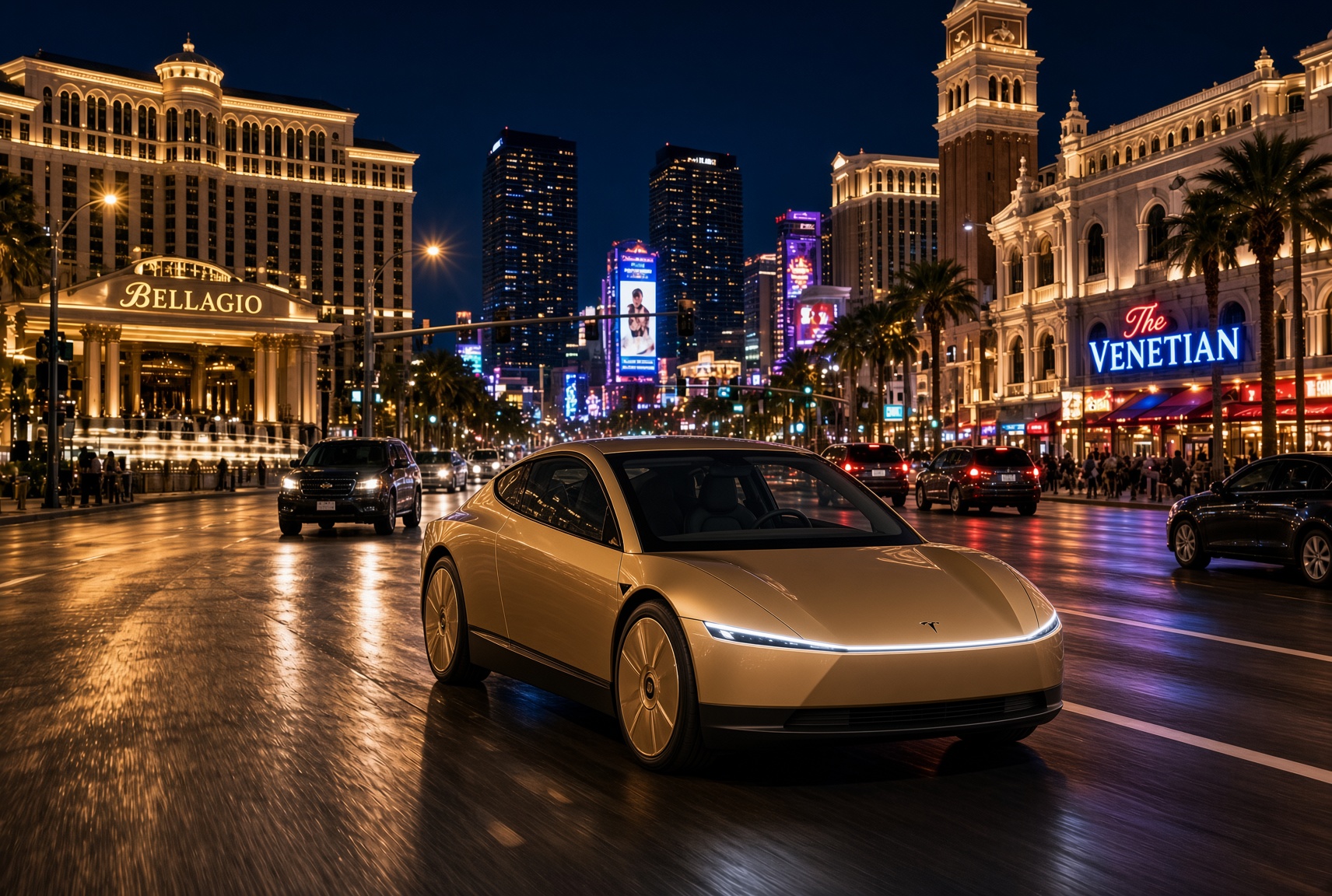
For a century, the car has asked the same thing of its owner, which is basically to pay attention. Even the best ride-hailing app like Uber or Lyft only moved the problem into someone else’s hands. You stopped driving, but you still sat in a stranger’s car, while half listening, and wondering whether to take a phone call in the car without being rude. The Cybercab has no wheel, no pedals and no driver. With Grok @bot now live inside it, it becomes something else entirely, and I think that matters more than the fleet count that everyone is tracking.
Grok @bot is an agent, not a voice assistant. A rider signs in once, and from then on can say what they need and watch it happen. Order dinner from a favorite restaurant. Fill the grocery cart. Move money, answer email, adjust a calendar, push a work project forward. Tesla engineer Yun-Ta Tsai confirmed it is enabled across every Cybercab and the rest of the Model Y fleet, and Tesla’s own pitch is that Full Self-Driving handles the commute while Grok handles the errands.
Think about what that does to a thirty minute ride. Uber sells you a trip, while Waymo sells you the same trip in a more private setting. Tesla is selling the thirty minutes themselves, returned to you with an assistant attached. Errands that used to eat a Saturday get done between pickup and drop off. The ride stops being dead time between two places and becomes a place of its own.
Tesla integrates Grok Bot into its vehicles for the ultimate personal assistant
Best of all, your Bots follow you into any Cybercab, and presumably your own Tesla, then logs you out automatically when you step out. Anyone can bolt a chatbot onto a screen, but much harder to own the vehicle, the autonomy stack and the assistant at once. It also quietly ties SpaceX’s Super Intelligence business to Tesla’s fleet, after Tesla converted its xAI stake into SpaceX equity. The relationship between those two companies is getting harder to describe as separate.
This is also where the hard questions start, because an agent that can spend your money in a vehicle other people also ride in needs some answers. How does it handle a voice it shouldn’t trust? What gets recorded, who can see it, and for how long? What happens when a rider leaves halfway through a task?
If Tesla gets those answers right, the scoreboard changes. We have been counting Cybercabs and wait times. The more telling number may be what riders accomplish per trip. That is data almost no one else will ever have, and it is the real reason to watch Grok @bot.
What do you think? Leave me a comment.
Lifestyle
Tesla’s mirrorless Cybercab will give riders a visibility upgrade
Tesla engineer confirms Cybercab update letting riders pull up rear and repeater cameras on demand.

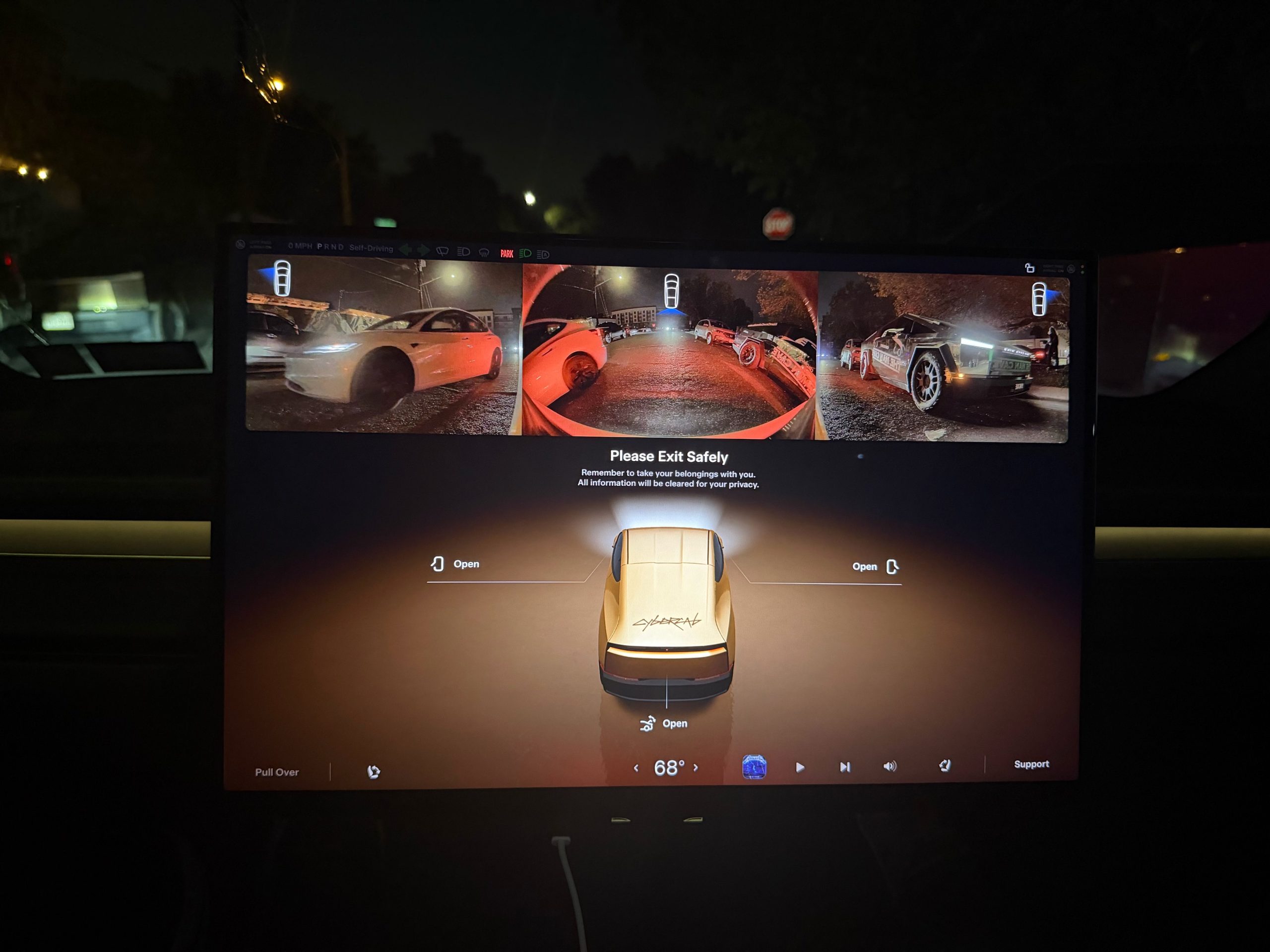
Tesla is working on a Cybercab update that would let passengers pull up the vehicle’s rear and side cameras on demand, and the request came straight from a rider.
The exchange played out on X late Friday. Cybercab rider Dan Burkland shared photos of the two-seater’s cabin screen after an evening ride, praised the UI team’s work, and left one request: let riders open the rear and repeater cameras whenever they want, “especially for peace of mind.” Tesla UI software engineer Evan (@CarCoder) answered with two words: “In development.”
The Tesla UI team absolutely crushed it with the infotainment software. Nicely done @CarCoder!
One feature request: Allow folks to pull up the rear & repeater cameras on demand. This would be great especially for peace of mind. https://t.co/mNAOSLx6pE
— Dan Burkland (@DBurkland) October 10, 2026
The idea fits a pattern Teslarati has tracked since public rides began. Days after paid Cybercab service opened in Austin, Tesla sent riders a survey that asked them to rate the touchscreen, the app and the cabin, and to pick the features they wanted most. We reported on that survey in September, and a camera view is the kind of small software change Tesla can push quickly if riders keep asking.
It also speaks to something unique about the vehicle. With no steering wheel, no pedals and no driver, passengers have no mirror to check and no way to see behind them. The hardware is clearly built for camera awareness, from the repeater cameras to the rear camera. Letting a passenger look through those same cameras would give a nervous first time rider a way to confirm what is around the car.
The timing matters because the fleet is growing fast. Tesla’s Robotaxi account said on Saturday that more than 300 Cybercabs are now serving Austin, an eightfold increase in 30 days, and Tesla AI chief Ashok Elluswamy named Dallas as the next city. More cars and more cities mean more people riding in a driverless vehicle for the first time, which is exactly when small trust features carry weight.
For now, the feature is confirmed only as in development. If Tesla follows its usual pattern with Cybercab software, riders could see it appear in a point release without any announcement, and Teslarati will watch for it.
Elon Musk
Elon Musk’s surprise addition to the X Takeover lineup has fans talking
Elon Musk will join Saturday’s X Takeover at Giga Texas for a live virtual interview.
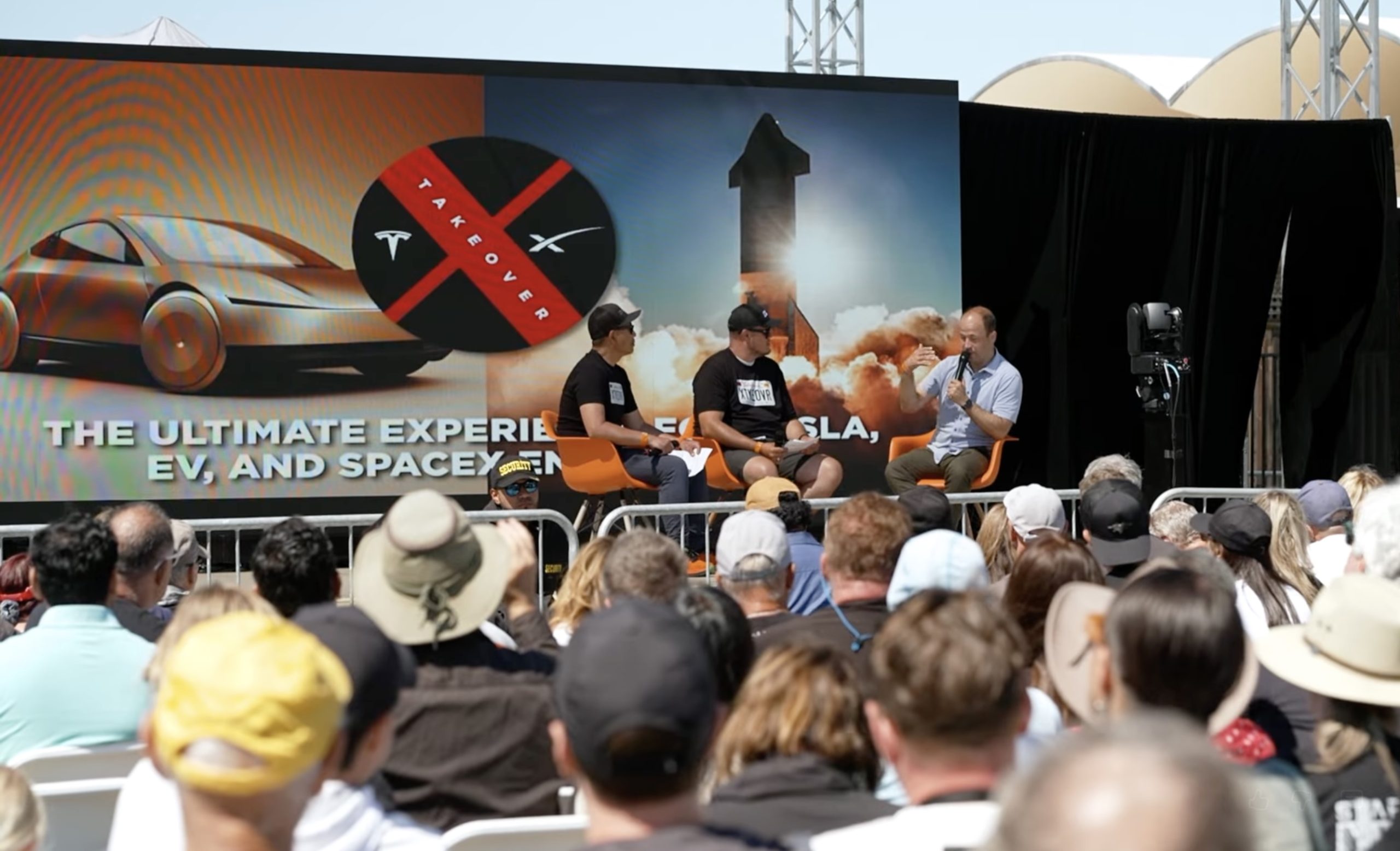
Elon Musk will join X Takeover at Giga Texas on Saturday for a live virtual interview, according to Sawyer Merritt, who shared the news late Thursday. Musk will not be on stage in Austin. The conversation is set to stream for free on the @teslaownersSV account on X.
Organizers had kept expectations in check. In a September update, Tesla Owners Silicon Valley said Musk had appeared at the event twice before but was not promising a third appearance, even as fans hoped he would walk the Giga Texas grounds in person. A virtual spot matches 2024, when Musk gave a surprise interview of about an hour to the crowd in San Luis Obispo, as Teslarati reported at the time.
Wasn’t expecting this 🫡
— Tesla Owners Silicon Valley (@teslaownersSV) October 9, 2026
This year’s edition is a first in several ways. It is the first X Takeover held outside California and the first at a Tesla facility, with tickets selling out in eight days. Tesla provides the venue, but the event is produced independently by Tesla Owners Silicon Valley. The main event runs from 10 a.m. to 6 p.m. CT, followed by a drone and light show at 9 p.m. Maye Musk is the keynote speaker, Franz von Holzhausen is set for a virtual keynote, and Nicki Minaj is the special guest. Joe Tegtmeyer, whose drone footage Teslarati used to track the Optimus factory steel frame at Giga Texas, is also on the speaker list.
Musk’s interview topics have not been revealed, but the backdrop is busy. Tesla doubled its Cybercab fleet in Austin in late September, and last week Musk explained why Robotaxi hours only moved from 10 p.m. to 11 p.m.. Merritt also reported Thursday that Texas DMV records now show 319 registered Cybercabs, up from 169. NHTSA’s deadline for Tesla’s sworn answers on Cybercab certification is October 30, and Tesla reports third quarter earnings on October 21.
Fans who cannot make it to Austin can watch the livestream on X. Musk tends to say more in unscripted settings than he does in prepared remarks, which is the reason this one is worth having open on Saturday.

Ukraine says Starlink is cutting out its military drones as Poland calls out Elon Musk

FAA kicks off review of SpaceX’s bid to fly Starship nearly every day

Tesla Roadster livestream: everything Tesla has revealed before Thursday night

The Pentagon taps Elon Musk to design the battlefield of the future

SpaceX reveals how its 1 Million AI satellite network will work and prevent space collisions


