
Investor's Corner
Tesla price target reductions, Rivian recall take focus as EV stocks slide

Electric vehicle stocks are continuing to slide on Monday as a broader market turnover continues to affect the economy. Tesla faced several price target reductions on Monday morning amidst a lower-than-expected delivery count for Q3, while Rivian shares are down due to a recall that affected over 12,000 vehicles. However, these are not the only two companies facing heat during Monday’s trading session.
Tesla
Tesla (NASDAQ: TSLA) shares have been beaten and battered over the past month, down over 27 percent. Last week alone accounted for a nearly 12 percent slip in Tesla share price, attributed to a weaker-than-anticipated delivery count when the company announced Q3 numbers earlier this month. Tesla delivered 343,890 vehicles but missed Wall Street expectations. The automaker detailed difficult supply chain conditions for the slide in deliveries, which ultimately ended up occurring in Q4 instead of Q3.
“As our production volumes continue to grow, it is becoming increasingly challenging to secure vehicle transportation capacity and at a reasonable cost during these peak logistics weeks,” Tesla said when it announced the delivery figures on October 2. “In Q3, we began transitioning to a more even regional mix of vehicle builds each week, which led to an increase in cars in transit at the end of the quarter. These cars have been ordered and will be delivered to customers upon arrival at their destination.”
These issues, while contributing to early Q4 deliveries, encouraged Morgan Stanley’s Adam Jonas to trim his Tesla price target from $383 to $350.
“We believe factors that drove Tesla’s weaker than expected 3Q production and deliveries could continue to present headwinds into 4Q as well as into FY23,” a note to investors said. Morgan Stanley trimmed its 2022 delivery outlook from 1.37 million vehicles to 1.31 million. The firm also revised its 2023 forecast by 200,000 cars from 2 million to 1.8 million.
“We reiterate our OW (overweight) rating on Tesla and continue to position the name as a core holding.”
Tesla also had its price target trimmed by UBS from $367 to $350, as analyst Patrick Hummel maintained a “Buy” rating. RBC Capital Markets analyst Joseph Spak also cut the firm’s price target on Tesla to $340 from $367.
Tesla shares were trading at $222.79 at the time of publish.
Rivian
Rivian (NASDAQ: RIVN) saw more than a 10.5 percent dip in Monday trading following a recall of more than 12,000 vehicles on Friday.
Rivian announced last week that it was issuing a recall on 12,212 R1T, R1S, and EDV (Electric Delivery Van) units due to a “loose steering knuckle fastener.” The NHTSA stated, “The fastener connecting the front upper control arm and steering knuckle may have been improperly tightened,” which may cause the fastener to separate and cause a loss of vehicle control.
“This is a black eye for Rivian now just starting to hit its stride on reaching its 25k production target,” Wedbush analyst Dan Ives said. “A modest setback.”
Rivian shares were trading at $30.63 at the time of publish.
Other EV Stocks: A rough day on Wall Street
Lucid (NASDAQ: LCID), Nio (NYSE: NIO), Li Auto (NASDAQ: LI), and Ford (NYSE: F) were all down at least 3 percent at 11:20 A.M. on the East Coast.
Ford’s 7.2 percent drop on Monday was the most notable. Wall Street continues skepticism on whether legacy automakers like Ford and GM can remain afloat among rising competition and a robust lineup of carmakers that show more promise in the EV sector. Analysts at UBS downgraded Ford and lowered its price target to $10 from $13. The Motley Fool stated in its synopsis of Ford’s struggles that the company’s key metrics for September were the weakest among U.S. automakers, making it more vulnerable during a recession than its peers.
Price increases on Ford’s F-150 Lightning have indicated the company is making the right moves to keep margins in the right place. Additionally, the company is feeling healthy demand from consumers as it recently suspended accepting orders on the Mustang Mach-E’s base trim, citing high demand and a long order backlog.
Ford stock was trading at $11.32 at the time of publish.
Disclosure: Joey Klender owns Tesla stock, but no shares of any other automaker mentioned in this article.
I’d love to hear from you! If you have any comments, concerns, or questions, please email me at joey@teslarati.com. You can also reach me on Twitter @KlenderJoey, or if you have news tips, you can email us at tips@teslarati.com.
Teslarati is now on TikTok. Follow us for interactive news & more.






Investor's Corner
Cantor Fitzgerald maintains Tesla (TSLA) ‘Overweight’ rating amid Q2 2025 deliveries
Cantor Fitzgerald is holding firm on its bullish stance for the electric vehicle maker.

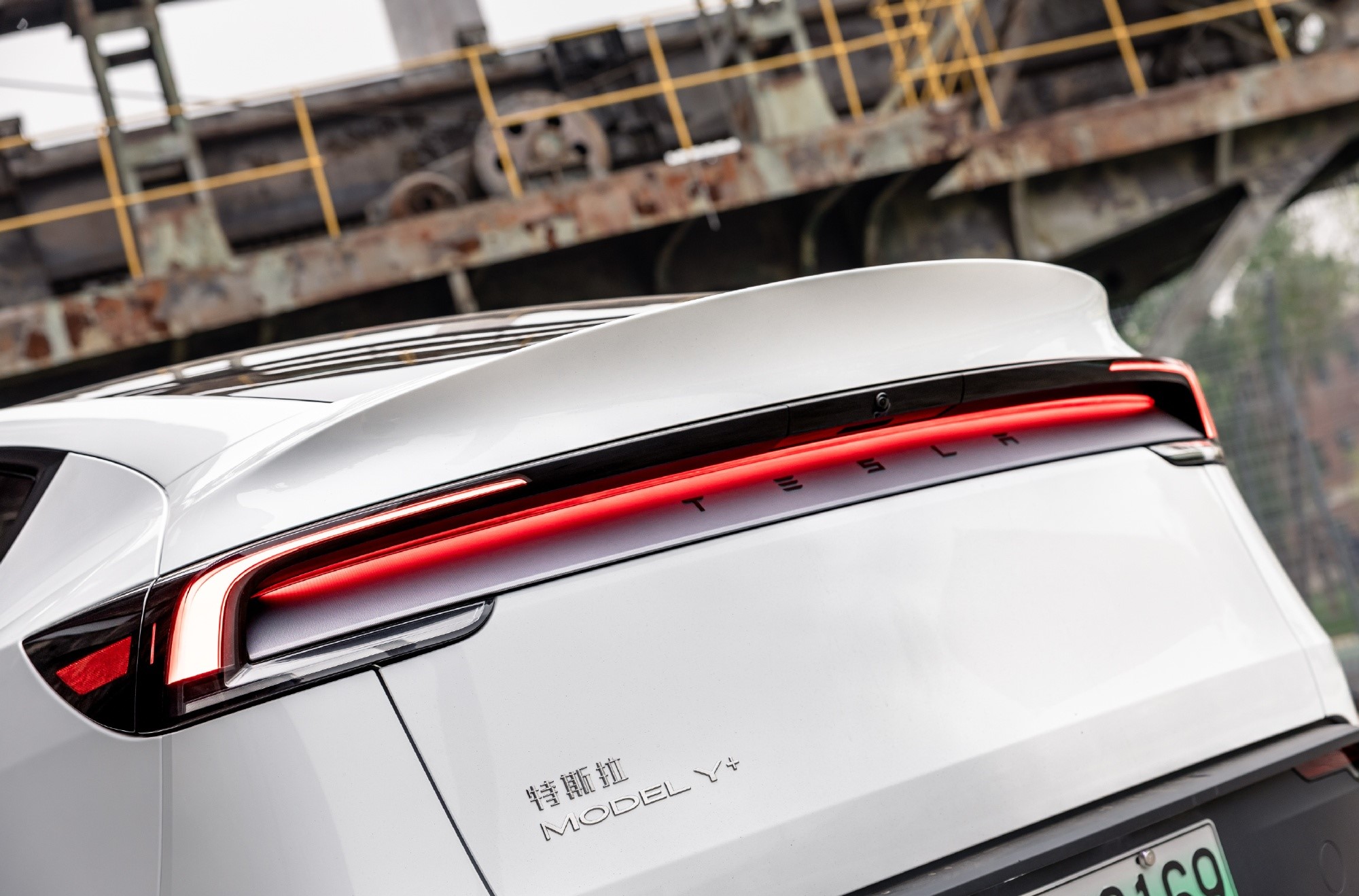
Cantor Fitzgerald is holding firm on its bullish stance for Tesla (NASDAQ: TSLA), reiterating its “Overweight” rating and $355 price target amidst the company’s release of its Q2 2025 vehicle delivery and production report.
Tesla delivered 384,122 vehicles in Q2 2025, falling below last year’s Q2 figure of 443,956 units. Despite softer demand in some countries in Europe and ongoing controversies surrounding CEO Elon Musk, the firm maintained its view that Tesla is a long-term growth story in the EV sector.
Tesla’s Q2 results
Among the 384,122 vehicles that Tesla delivered in the second quarter, 373,728 were Model 3 and Model Y. The remaining 10,394 units were attributed to the Model S, Model X, and Cybertruck. Production was largely flat year-over-year at 410,244 units.
In the energy division, Tesla deployed 9.6 GWh of energy storage in Q2, which was above last year’s 9.4 GWh. Overall, Tesla continues to hold a strong position with $95.7 billion in trailing twelve-month revenue and a 17.7% gross margin, as noted in a report from Investing.com.
Tesla’s stock is still volatile
Tesla’s market cap fell to $941 billion on Monday amid volatility that was likely caused in no small part by CEO Elon Musk’s political posts on X over the weekend. Musk has announced that he is forming the America Party to serve as a third option for voters in the United States, a decision that has earned the ire of U.S. President Donald Trump.
Despite Musk’s controversial nature, some analysts remain bullish on TSLA stock. Apart from Cantor Fitzgerald, Canaccord Genuity also reiterated its “Buy” rating on Tesla shares, with the firm highlighting the company’s positive Q2 vehicle deliveries, which exceeded its expectations by 24,000 units. Cannacord also noted that Tesla remains strong in several markets despite its year-over-year decline in deliveries.
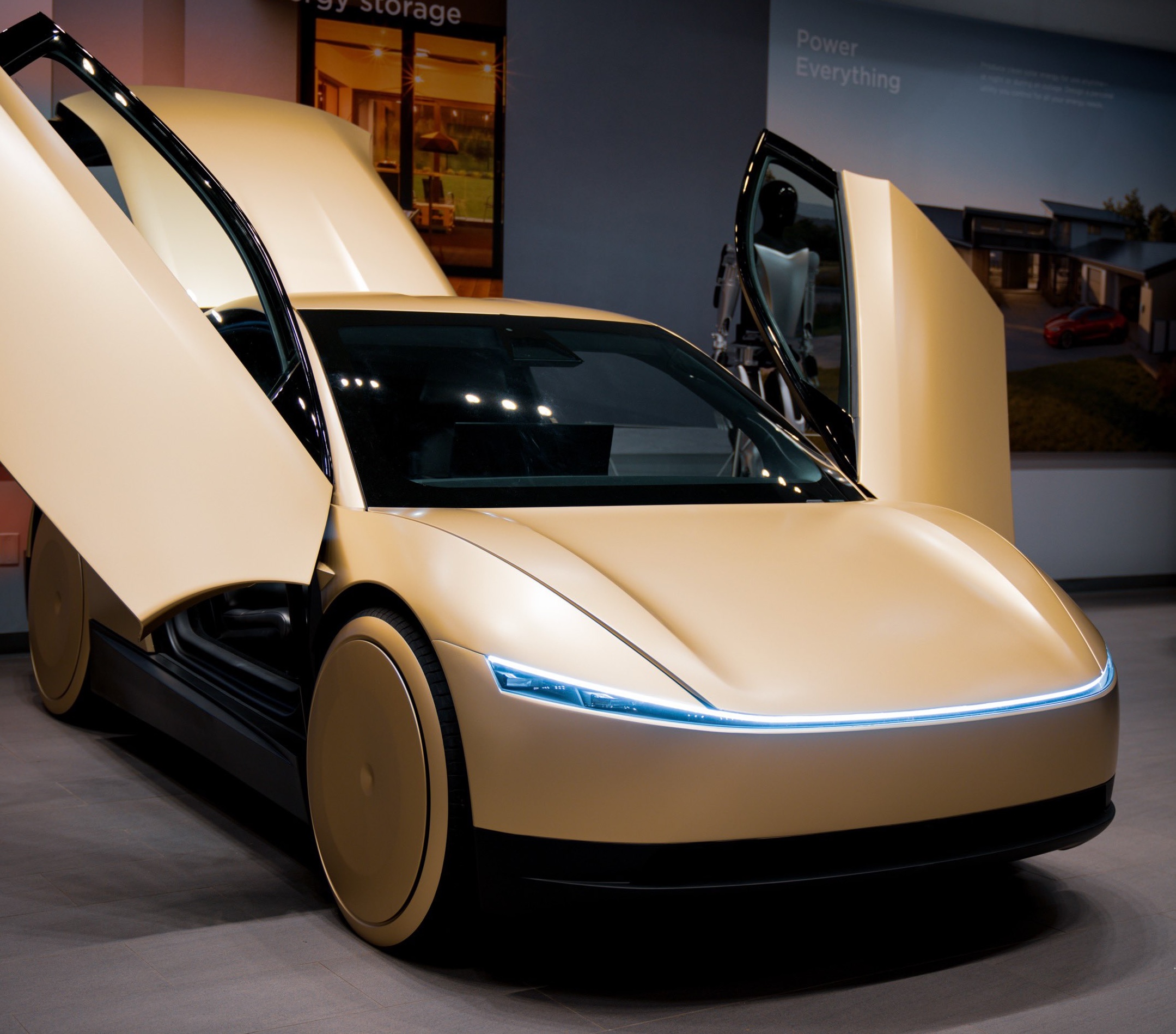
A Tesla analyst today said that investors should not lose sight of what is truly important in the grand scheme of being a shareholder, and that any near-term drama between CEO Elon Musk and U.S. President Donald Trump should not outshine the progress made by the company.
Gene Munster of Deepwater Management said that Tesla’s progress in autonomy is a much larger influence and a significantly bigger part of the company’s story than any disagreement between political policies.
Munster appeared on CNBC‘s “Closing Bell” yesterday to reiterate this point:
“One thing that is critical for Tesla investors to remember is that what’s going on with the business, with autonomy, the progress that they’re making, albeit early, is much bigger than any feud that is going to happen week-to-week between the President and Elon. So, I understand the reaction, but ultimately, I think that cooler heads will prevail. If they don’t, autonomy is still coming, one way or the other.”
BREAKING: GENE MUNSTER SAYS — $TSLA AUTONOMY IS “MUCH BIGGER” THAN ANY FEUD 👀
He says robotaxis are coming regardless ! pic.twitter.com/ytpPcwUTFy
— TheSonOfWalkley (@TheSonOfWalkley) July 2, 2025
This is a point that other analysts like Dan Ives of Wedbush and Cathie Wood of ARK Invest also made yesterday.
On two occasions over the past month, Musk and President Trump have gotten involved in a very public disagreement over the “Big Beautiful Bill,” which officially passed through the Senate yesterday and is making its way to the House of Representatives.
Musk is upset with the spending in the bill, while President Trump continues to reiterate that the Tesla CEO is only frustrated with the removal of an “EV mandate,” which does not exist federally, nor is it something Musk has expressed any frustration with.
In fact, Musk has pushed back against keeping federal subsidies for EVs, as long as gas and oil subsidies are also removed.
Nevertheless, Ives and Wood both said yesterday that they believe the political hardship between Musk and President Trump will pass because both realize the world is a better place with them on the same team.
Munster’s perspective is that, even though Musk’s feud with President Trump could apply near-term pressure to the stock, the company’s progress in autonomy is an indication that, in the long term, Tesla is set up to succeed.
Tesla launched its Robotaxi platform in Austin on June 22 and is expanding access to more members of the public. Austin residents are now reporting that they have been invited to join the program.
Elon Musk
Tesla surges following better-than-expected delivery report
Tesla saw some positive momentum during trading hours as it reported its deliveries for Q2.
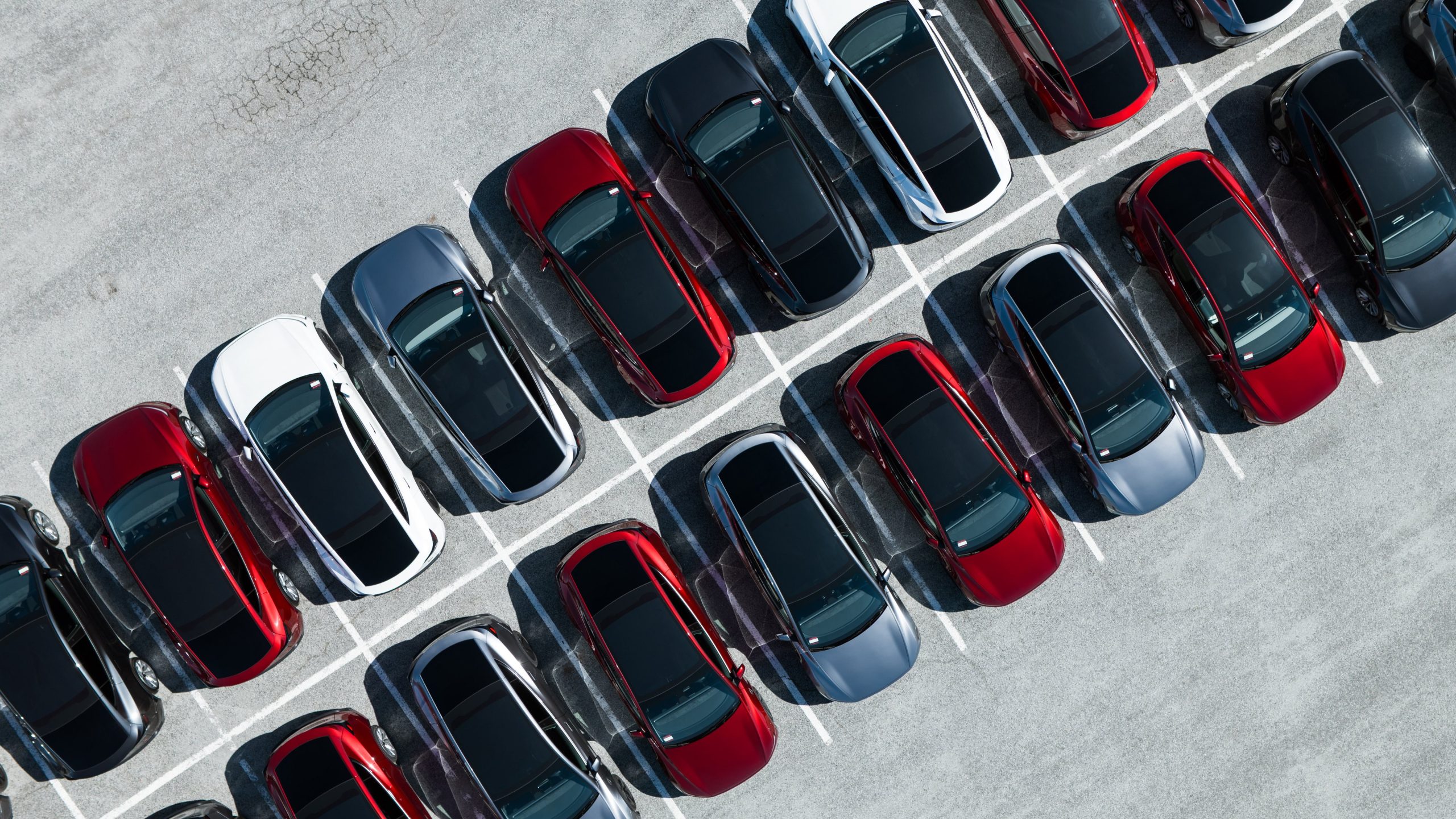
Tesla (NASDAQ: TSLA) surged over four percent on Wednesday morning after the company reported better-than-expected deliveries. It was nearly right on consensus estimations, as Wall Street predicted the company would deliver 385,000 cars in Q2.
Tesla reported that it delivered 384,122 vehicles in Q2. Many, including those inside the Tesla community, were anticipating deliveries in the 340,000 to 360,000 range, while Wall Street seemed to get it just right.
Tesla delivers 384,000 vehicles in Q2 2025, deploys 9.6 GWh in energy storage
Despite Tesla meeting consensus estimations, there were real concerns about what the company would report for Q2.
There were reportedly brief pauses in production at Gigafactory Texas during the quarter and the ramp of the new Model Y configuration across the globe were expected to provide headwinds for the EV maker during the quarter.
At noon on the East Coast, Tesla shares were up about 4.5 percent.
It is expected that Tesla will likely equal the number of deliveries it completed in both of the past two years.
It has hovered at the 1.8 million mark since 2023, and it seems it is right on pace to match that once again. Early last year, Tesla said that annual growth would be “notably lower” than expected due to its development of a new vehicle platform, which will enable more affordable models to be offered to the public.
These cars are expected to be unveiled at some point this year, as Tesla said they were “on track” to be produced in the first half of the year. Tesla has yet to unveil these vehicle designs to the public.
Dan Ives of Wedbush said in a note to investors this morning that the company’s rebound in China in June reflects good things to come, especially given the Model Y and its ramp across the world.
He also said that Musk’s commitment to the company and return from politics played a major role in the company’s performance in Q2:
“If Musk continues to lead and remain in the driver’s seat, we believe Tesla is on a path to an accelerated growth path over the coming years with deliveries expected to ramp in the back-half of 2025 following the Model Y refresh cycle.”
Ives maintained his $500 price target and the ‘Outperform’ rating he held on the stock:
“Tesla’s future is in many ways the brightest it’s ever been in our view given autonomous, FSD, robotics, and many other technology innovations now on the horizon with 90% of the valuation being driven by autonomous and robotics over the coming years but Musk needs to focus on driving Tesla and not putting his political views first. We maintain our OUTPERFORM and $500 PT.”
Moving forward, investors will look to see some gradual growth over the next few quarters. At worst, Tesla should look to match 2023 and 2024 full-year delivery figures, which could be beaten if the automaker can offer those affordable models by the end of the year.

Elon Musk confirms Grok 4 launch on July 9 with livestream event

Tesla opens massive solar Supercharger station in California

Tesla driver walks away from major accident with minor injuries


-
 Elon Musk1 week ago
Tesla investors will be shocked by Jim Cramer’s latest assessment
-
 News2 weeks ago
Tesla Robotaxi’s biggest challenge seems to be this one thing
-
 News2 weeks ago
Watch the first true Tesla Robotaxi intervention by safety monitor
-
 Elon Musk2 weeks ago
A Tesla just delivered itself to a customer autonomously, Elon Musk confirms
-
 News2 weeks ago
Tesla Robotaxi rollout proves that Elon Musk still delivers, even if it’s late
-
 Elon Musk2 weeks ago
Elon Musk commends Tesla team on successful Robotaxi launch
-
 Elon Musk2 weeks ago
xAI welcomes Memphis pollution results, environmental groups push back
-
 Elon Musk2 weeks ago
Elon Musk confirms Tesla Optimus V3 already uses Grok voice AI